


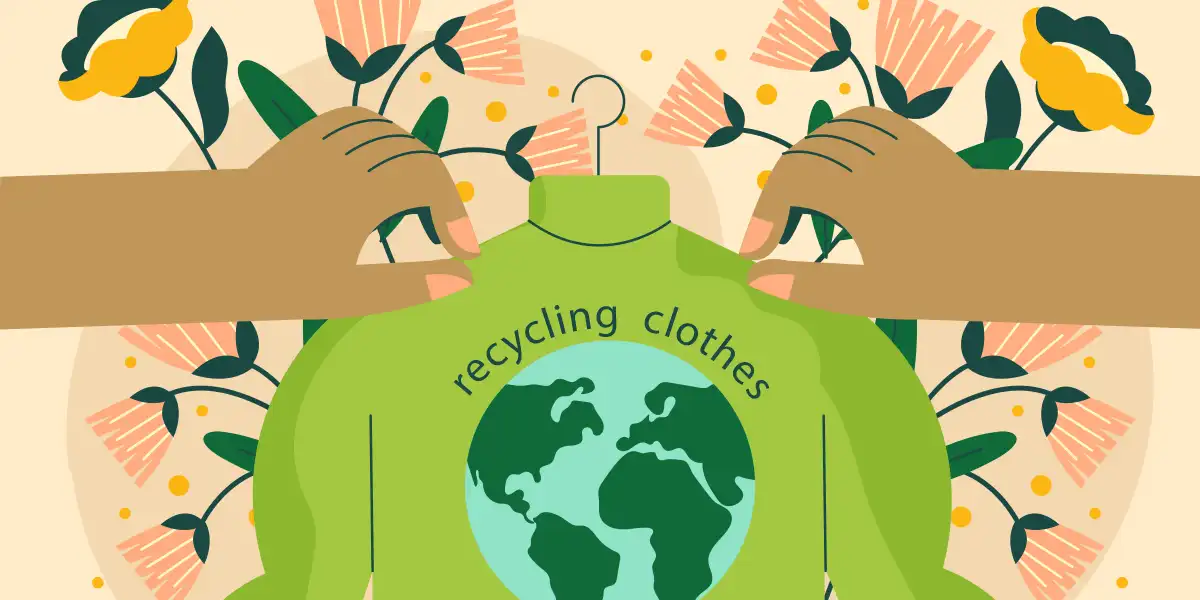
How Does Sustainable Clothing Benefit the Environment? The Fabric of a Greener Future
How Does Sustainable Clothing Benefit the Environment? The Fabric of a Greener Future
The clothes we wear tell a story, and for too long, the narrative has been one of depletion, pollution, and waste. The rise of fast fashion, with its rapid turnover of cheap, trend-driven garments, has created an environmental impact of fast fashion that is staggering. However, a powerful counter-movement is gaining momentum: sustainable clothing. This shift is not merely a trend but a critical reimagining of the Sustainable Clothing Industry, offering profound and measurable sustainable clothing benefits for the planet.
Understanding How Does Sustainable Clothing Benefit the Environment requires looking at the entire lifecycle of a garment, from the fiber to the final disposal. By choosing Environment Friendly Clothes, consumers become active participants in the solutions to fast fashion, helping to weave a truly green economy.
Drastic Reduction in Water Consumption and Pollution
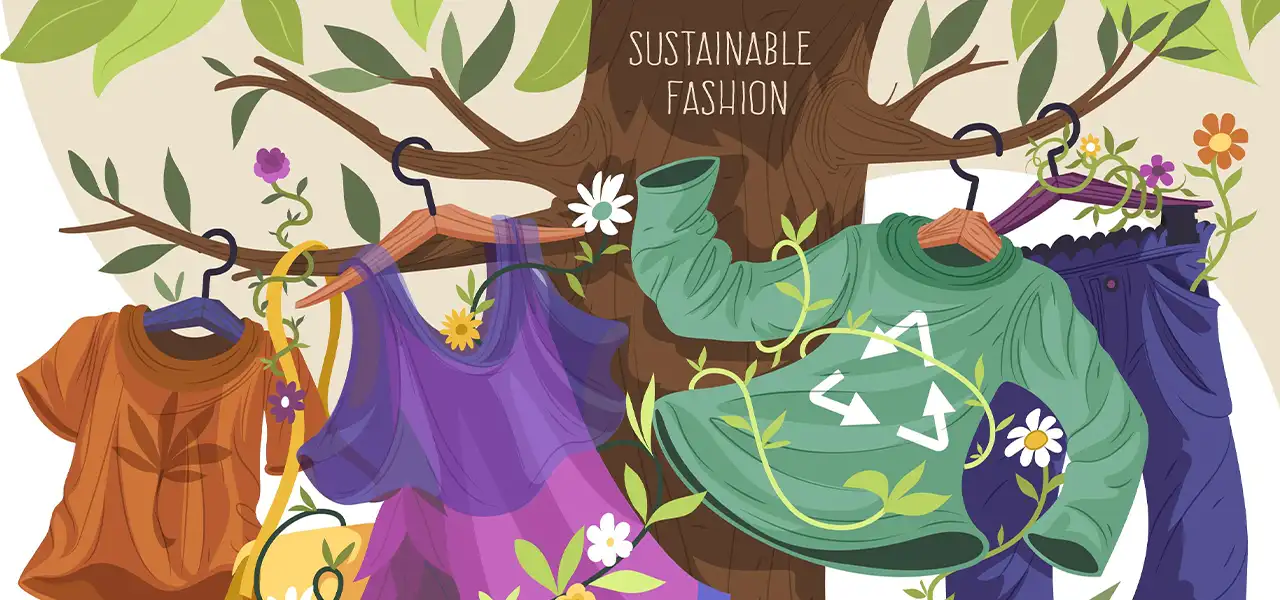
One of the most significant benefits of sustainable fashion is its role in water stewardship. The conventional fashion industry is a notorious water guzzler and polluter.
1. Conventional Cotton’s Thirst:
Growing conventional cotton, a staple fiber, is incredibly water-intensive. It can take up to 2,700 liters of water to produce a single cotton T-shirt enough drinking water for one person for 2.5 years.
Growing conventional cotton, a staple fiber, is incredibly water-intensive. It can take up to 2,700 liters of water to produce a single cotton T-shirt enough drinking water for one person for 2.5 years.
2. The Sustainable Solution:
Sustainable clothing materials, such as organic cotton, drastically cut down on this usage. Organic cotton farming often relies on rainwater and healthier soil practices, using up to 91% less water than its conventional counterpart. Other sustainable fashion fabrics like linen and hemp also require minimal irrigation.
Sustainable clothing materials, such as organic cotton, drastically cut down on this usage. Organic cotton farming often relies on rainwater and healthier soil practices, using up to 91% less water than its conventional counterpart. Other sustainable fashion fabrics like linen and hemp also require minimal irrigation.
3. Minimizing Water Pollution:
The dyeing and finishing processes in fast fashion often use toxic chemicals and dyes, leading to vast amounts of wastewater being discharged, contaminating rivers and ecosystems. Sustainable production, in contrast, favors low-impact, natural, or non-toxic dyes and employs innovative, water-efficient technologies like air dyeing and closed-loop systems that treat and reuse water. This is a critical move toward minimizing pollution and protecting aquatic biodiversity.
The dyeing and finishing processes in fast fashion often use toxic chemicals and dyes, leading to vast amounts of wastewater being discharged, contaminating rivers and ecosystems. Sustainable production, in contrast, favors low-impact, natural, or non-toxic dyes and employs innovative, water-efficient technologies like air dyeing and closed-loop systems that treat and reuse water. This is a critical move toward minimizing pollution and protecting aquatic biodiversity.
Lowering the Carbon Footprint and Greenhouse Gas Emissions
The fashion supply chain is complex and global, contributing significantly to climate change. The rapid production cycle, synthetic material use, and worldwide transportation all pump greenhouse gases into the atmosphere.
1. Energy-Intensive Materials:
Many fast-fashion garments are made from synthetic fibers like polyester, which is derived from petroleum. The production of polyester is highly energy-intensive and releases significant emissions.
Many fast-fashion garments are made from synthetic fibers like polyester, which is derived from petroleum. The production of polyester is highly energy-intensive and releases significant emissions.
2. The Sustainable Shift:
Sustainable clothing production prioritizes low-carbon materials and energy-efficient processes.
Sustainable clothing production prioritizes low-carbon materials and energy-efficient processes.
a. Eco-Friendly Fibers:
The switch to natural and recycled fibers is a game-changer. For example, recycled polyester (rPET) requires significantly less energy than virgin polyester. Materials like organic cotton also have a lower carbon footprint due to the farming methods used.
The switch to natural and recycled fibers is a game-changer. For example, recycled polyester (rPET) requires significantly less energy than virgin polyester. Materials like organic cotton also have a lower carbon footprint due to the farming methods used.
b. Renewable Energy:
Many ethical and sustainable brands commit to using renewable energy sources (like solar or wind power) in their manufacturing facilities, further reducing their reliance on fossil fuels.
Many ethical and sustainable brands commit to using renewable energy sources (like solar or wind power) in their manufacturing facilities, further reducing their reliance on fossil fuels.
c. Localised Production:
By sourcing and manufacturing closer to the end consumer, the carbon emissions associated with long-distance logistics and transportation are minimized.
By sourcing and manufacturing closer to the end consumer, the carbon emissions associated with long-distance logistics and transportation are minimized.
By reducing demand for virgin, resource-intensive materials and streamlining their supply chains, the Sustainable Clothing Industry actively works to reduce its contribution to the global climate crisis.
Addressing the Global Textile Waste Crisis

The disposable nature of fast fashion has fueled a massive textile waste crisis. Consumers buy more and discard clothes faster than ever, leading to overflowing landfills where clothes can take hundreds of years to decompose, releasing methane, a potent greenhouse gas.
1. The Linear Model of Fast Fashion:
Fast fashion operates on a linear ‘take-make-dispose’ model, where garments are designed to be cheap and short-lived. This results in millions of tons of textiles ending up in landfills annually. Less than 1% of discarded clothes are genuinely recycled into new textiles.
Fast fashion operates on a linear ‘take-make-dispose’ model, where garments are designed to be cheap and short-lived. This results in millions of tons of textiles ending up in landfills annually. Less than 1% of discarded clothes are genuinely recycled into new textiles.
2. The Circular Promise:
A core benefit of sustainable fashion is its commitment to the circular economy a model that aims to eliminate waste by keeping resources in use for as long as possible.
A core benefit of sustainable fashion is its commitment to the circular economy a model that aims to eliminate waste by keeping resources in use for as long as possible.
a. Durability and Quality:
Sustainable clothing emphasizes quality over quantity. Garments are designed to be durable, well-made, and timeless, extending their lifespan and reducing the need for frequent replacements. Investing in pieces that last is a key solution to fast fashion.
Sustainable clothing emphasizes quality over quantity. Garments are designed to be durable, well-made, and timeless, extending their lifespan and reducing the need for frequent replacements. Investing in pieces that last is a key solution to fast fashion.
b. Upcycling and Recycling:
Sustainable brands implement take-back and repair programs, encouraging customers to return worn-out items. Sustainable fashion fabrics are often chosen for their recyclability or biodegradability, allowing them to be repurposed into new garments (upcycling) or safely returned to the earth (biodegradable materials).
Sustainable brands implement take-back and repair programs, encouraging customers to return worn-out items. Sustainable fashion fabrics are often chosen for their recyclability or biodegradability, allowing them to be repurposed into new garments (upcycling) or safely returned to the earth (biodegradable materials).
c. Zero-Waste Design:
Some brands employ innovative design and cutting techniques to minimize fabric scraps, moving towards a zero-waste production model.
Some brands employ innovative design and cutting techniques to minimize fabric scraps, moving towards a zero-waste production model.
Protecting Biodiversity and Soil Health
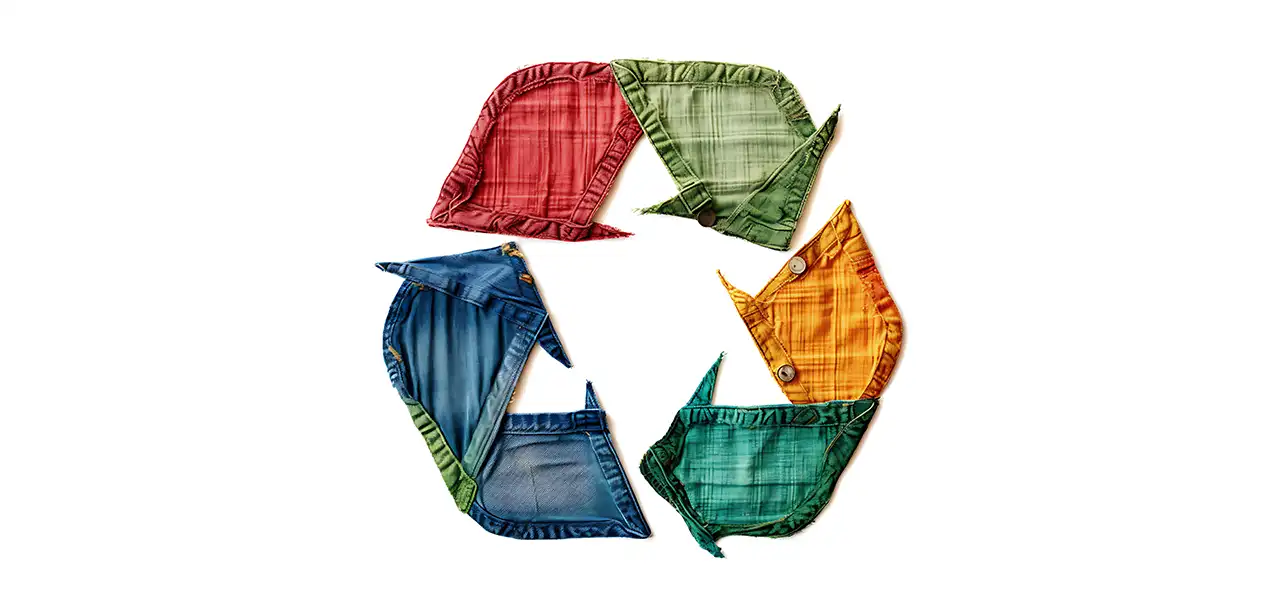
The disposable nature of fast fashion has fueled a massive textile waste crisis. Consumers buy more and discard clothes faster than ever, leading to overflowing landfills where clothes can take hundreds of years to decompose, releasing methane, a potent greenhouse gas.
1. The Linear Model of Fast Fashion:
Fast fashion operates on a linear ‘take-make-dispose’ model, where garments are designed to be cheap and short-lived. This results in millions of tons of textiles ending up in landfills annually. Less than 1% of discarded clothes are genuinely recycled into new textiles.
Fast fashion operates on a linear ‘take-make-dispose’ model, where garments are designed to be cheap and short-lived. This results in millions of tons of textiles ending up in landfills annually. Less than 1% of discarded clothes are genuinely recycled into new textiles.
2. The Circular Promise:
A core benefit of sustainable fashion is its commitment to the circular economy a model that aims to eliminate waste by keeping resources in use for as long as possible.
A core benefit of sustainable fashion is its commitment to the circular economy a model that aims to eliminate waste by keeping resources in use for as long as possible.
a. Durability and Quality:
Sustainable clothing emphasizes quality over quantity. Garments are designed to be durable, well-made, and timeless, extending their lifespan and reducing the need for frequent replacements. Investing in pieces that last is a key solution to fast fashion.
Sustainable clothing emphasizes quality over quantity. Garments are designed to be durable, well-made, and timeless, extending their lifespan and reducing the need for frequent replacements. Investing in pieces that last is a key solution to fast fashion.
b. Upcycling and Recycling:
Sustainable brands implement take-back and repair programs, encouraging customers to return worn-out items. Sustainable fashion fabrics are often chosen for their recyclability or biodegradability, allowing them to be repurposed into new garments (upcycling) or safely returned to the earth (biodegradable materials).
Sustainable brands implement take-back and repair programs, encouraging customers to return worn-out items. Sustainable fashion fabrics are often chosen for their recyclability or biodegradability, allowing them to be repurposed into new garments (upcycling) or safely returned to the earth (biodegradable materials).
c. Zero-Waste Design:
Some brands employ innovative design and cutting techniques to minimize fabric scraps, moving towards a zero-waste production model.
Some brands employ innovative design and cutting techniques to minimize fabric scraps, moving towards a zero-waste production model.
Innovative and Environment Friendly Clothes
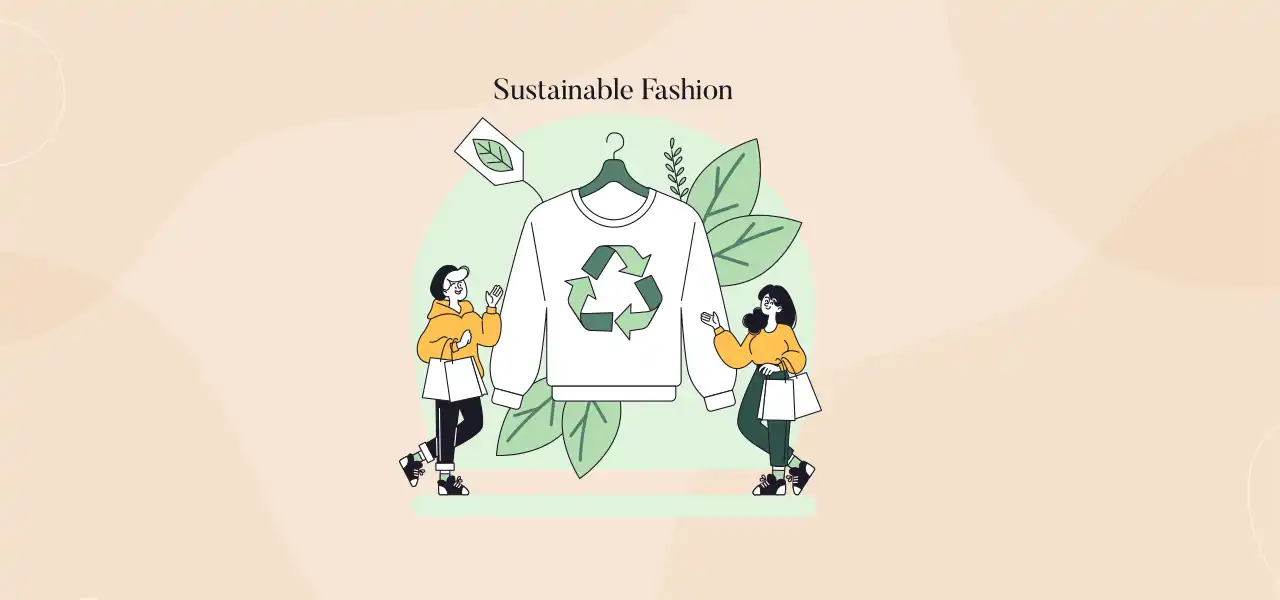
The growth of the sustainable clothing market is driving significant innovation in material science, offering exciting new sustainable clothing materials and sustainable fashion fabrics.
1. Recycled Resources:
Beyond rPET from plastic bottles, the industry is developing high-quality fabrics from post-consumer and post-industrial textile waste.
Beyond rPET from plastic bottles, the industry is developing high-quality fabrics from post-consumer and post-industrial textile waste.
2. Innovative Naturals:
New fibers like Pinatex (made from pineapple leaf fibers), Tencel Lyocell (from sustainably harvested wood pulp using a closed-loop system), and materials derived from algae or mushroom leather offer cutting-edge alternatives to traditional, high-impact materials.
New fibers like Pinatex (made from pineapple leaf fibers), Tencel Lyocell (from sustainably harvested wood pulp using a closed-loop system), and materials derived from algae or mushroom leather offer cutting-edge alternatives to traditional, high-impact materials.
3. Biodegradability:
Choosing natural fibers like organic linen, hemp, or biodegradable synthetic alternatives ensures that when a garment finally reaches the end of its long life, it can safely decompose without leaving behind microplastic pollution.
Choosing natural fibers like organic linen, hemp, or biodegradable synthetic alternatives ensures that when a garment finally reaches the end of its long life, it can safely decompose without leaving behind microplastic pollution.
The Importance of Sustainable Fashion: A New Consumer Consciousness
The importance of sustainable fashion extends beyond these concrete environmental metrics. It represents a philosophical shift from a consumerist culture of ‘use and throw’ to one of intentionality, quality, and respect for resources. Every purchase of sustainable clothing is a vote for an industry that values the planet over profit margins. It encourages transparency, challenges the unethical practices of fast fashion, and empowers consumers to reduce their personal environmental footprint.
By embracing this conscious approach to consumption, we are collectively moving towards an Environment Friendly Clothes future, ensuring that the fabric of our society and our planet remains intact for generations to come.
Ready to Dress Sustainably?
Choosing to support the sustainable clothing market is one of the most direct and powerful actions you can take as a consumer to benefit the environment.
FAQ's
Sustainable fashion is crucial because the conventional industry is a major polluter, using excessive resources like water and chemicals. It ensures ethical labor, reduces waste, lowers carbon emissions, and champions a circular economy, protecting both the planet and workers from harmful practices.
Sustainable clothing is apparel designed, produced, and used in an environmentally and socially responsible way. It prioritizes durable design, resource efficiency, fair labor practices, and materials like organic or recycled fibers to minimize harm across the entire garment life cycle.
Sustainable fashion helps by drastically reducing water pollution from toxic dyes and minimizing chemical pesticide use in farming. It lowers greenhouse gas emissions through efficient production, conserves resources via recycling, and combats textile waste with durable, biodegradable materials, protecting ecosystems.
It is important to address the environmental and social costs of fast fashion. Sustainable clothing promotes cleaner air and water, healthier soil (via organic farming), and fair wages for garment workers. It shifts the industry toward a long-term, ethical model centered on resource protection and quality.
Recycled cotton and TENCEL™ Lyocell are often considered the most sustainable. Recycled cotton reuses waste and minimizes water/land use, while Lyocell uses sustainably sourced wood pulp with a closed-loop system that recycles water and chemicals.
Sustainable development, particularly in textiles, focuses on three pillars: environmental protection (reducing pollution and resource use), social equity (fair wages, safe working conditions), and economic viability (long-term growth without compromising future generations’ needs).
Sustainability in the textile industry is the commitment to minimize environmental damage and maximize social benefits across the supply chain. It focuses on eco-friendly materials, efficient production processes, waste reduction, water treatment, and ensuring ethical labor for all workers.
The most sustainable materials are often those with low resource demands and high circularity potential, like hemp (low water/pesticide use, soil-improving) and organic linen (minimal water, no pesticides). Recycled fabrics and TENCEL™ are also top choices for their resource efficiency.