



RECYCLE
Showing 1–8 of 46 results
Filter


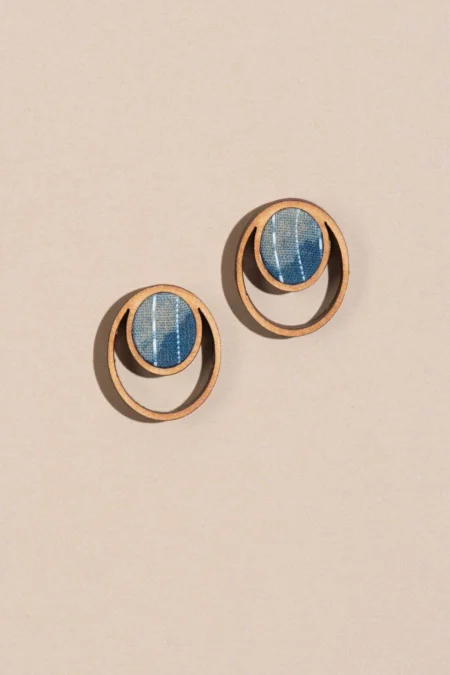
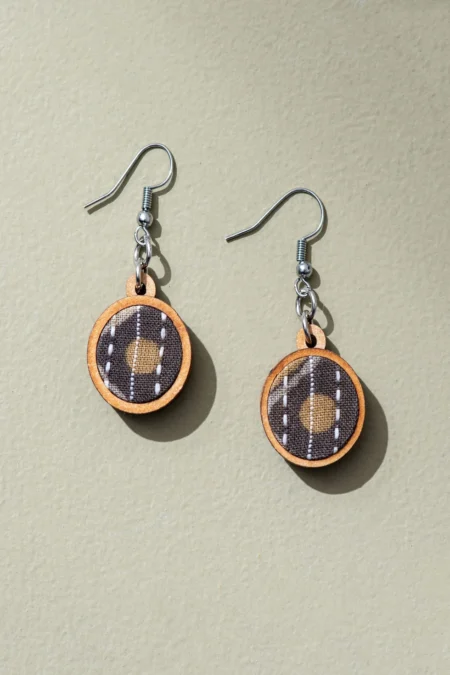


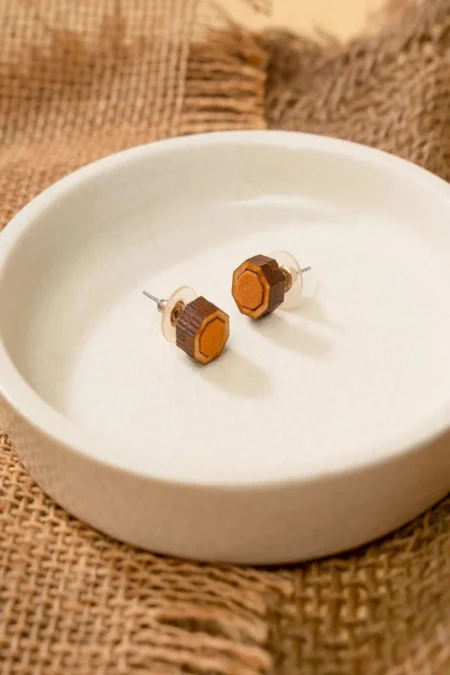
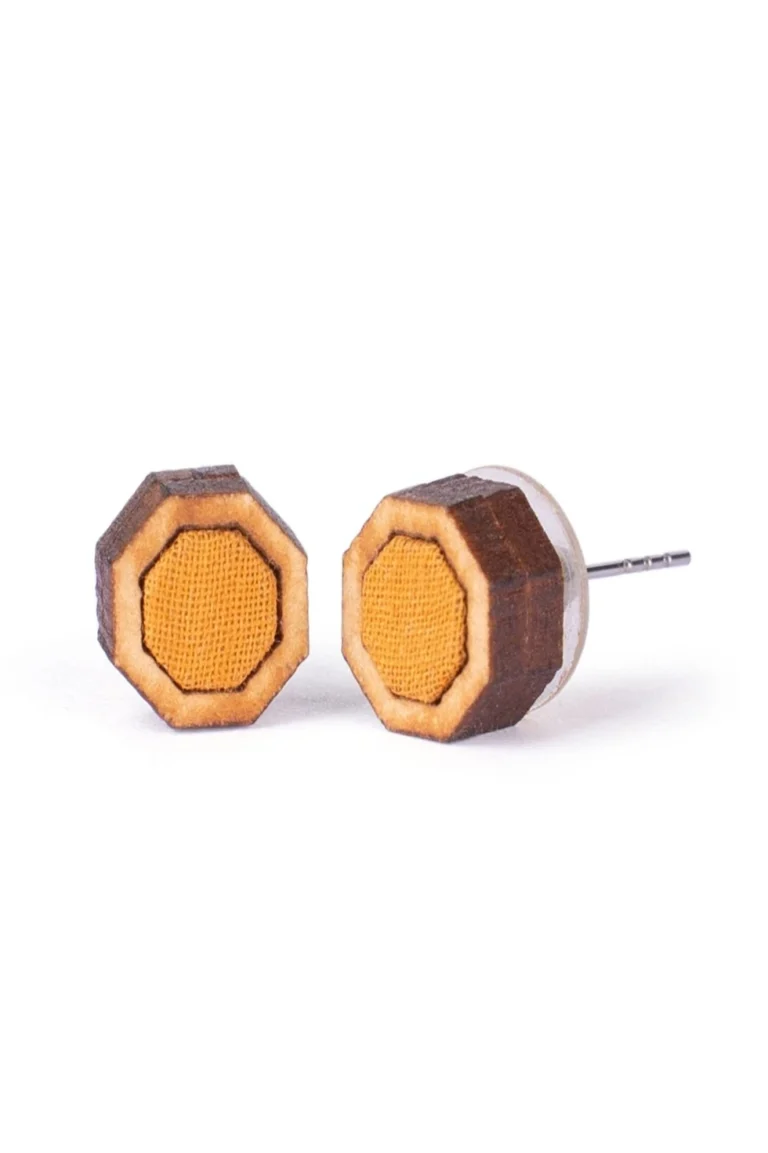
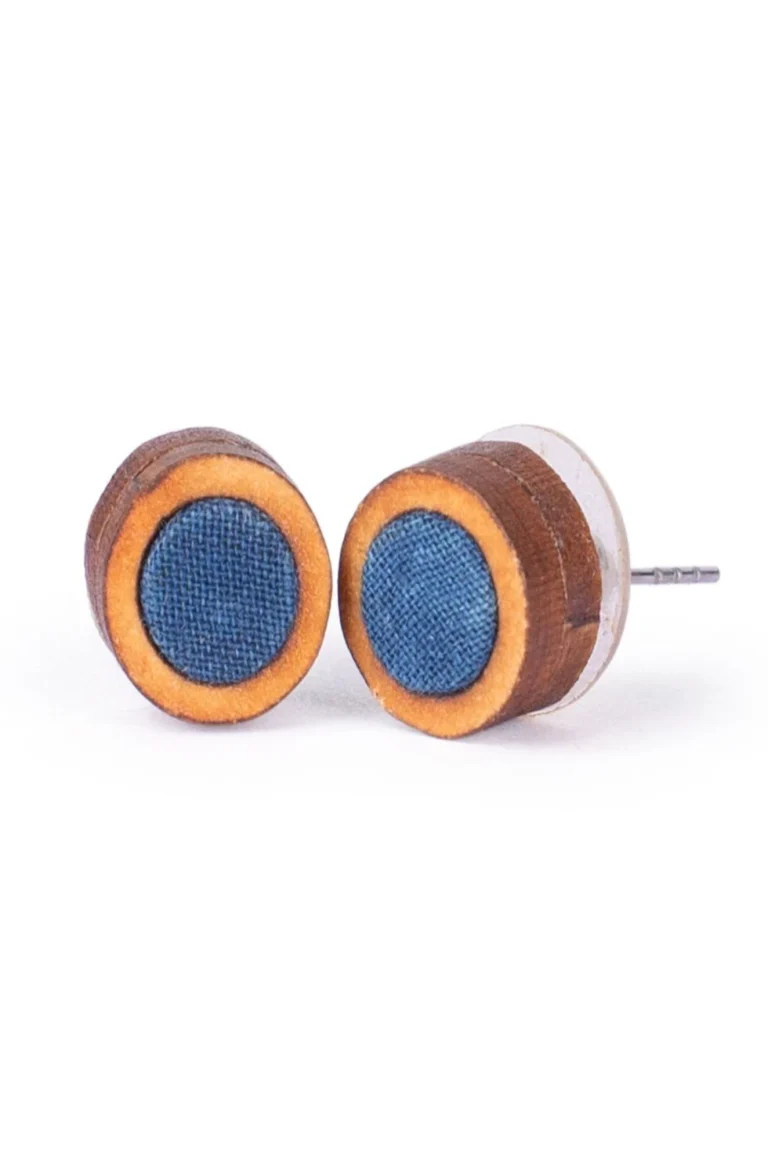
Recycle handmade things
In recent years, there has been a growing interest in handmade home decoration pieces. These unique and personalized items add character to your living space, support local artisans, and promote sustainable products. But what happens when these pieces no longer serve their purpose or have become outdated? This is where the successful ancient recycling economy comes into play. At Recycle, we believe in giving new life to old things. Inspired by the centuries-old tradition of waste recycling in India – particularly regarding wood waste – we encourage our customers to recycle their handmade home decor pieces through our platform. Not only does this reduce waste and promote sustainability, but it also means that someone else can enjoy these beautiful creations for years.
sustainable wood products
Introducing Recycle, a slow fashion brand that stands for sustainability and ethical practices in every aspect of its business. From sourcing raw materials to creating stunning handmade products, they prioritize environmental consciousness without compromising style or quality. In this article, we will delve into the world of sustainable wood products offered by Recycle, which showcases the rich heritage of wooden handicrafts in India using recyclable materials. Wooden handicrafts have been a significant part of Indian culture for centuries and are known for their intricate designs and exceptional craftsmanship, however, with the rise of mass-produced plastic goods, traditional artisans needed help to keep up with modern times.
Recycle handmade home decor items
Are you looking for sustainable and unique ways to decorate your home? Look no further than Recycle! As a brand committed to eco-conscious living, we offer a wide range of handmade wooden decor that will add a touch of charm and elegance to any room in your house. Our passion for sustainability doesn’t stop at our products. We also work with other sustainable product brands to source the materials for our handmade home decoration pieces. By choosing Recycle, you’re not only supporting small businesses but contributing towards improving our environment as well. Are you someone who loves to decorate your home with handmade items? But once they have served their purpose, do you know what to do with them? Recycling is the answer. At Recycle, we believe in sustainable living and increasing recyclate quality. We encourage our customers to recycle their handmade home decor items through energy recycling and community recycling programs.
Wood waste recycling in India
India is a developing country that faces many challenges when managing waste. The increasing population and industrialization have led to a rising amount of waste generation, including wood waste products. However, wood waste problems in India pose significant environmental hazards due to their non-biodegradable nature. Material recycling is one of the most effective methods for reducing environmental pollution caused by wood waste products. By turning these products into usable materials, we can minimize the negative impacts on our environment while creating new revenue streams and job opportunities. This article will explore the current situation of wood waste recycling in India and how it can be improved to create a more sustainable future for all.
Home decor with waste material
Are you looking to spruce up your home decor without breaking the bank? Look no further than using waste material to create handmade decorative items for your home. Not only does this approach add a unique touch to your living spaces, but it is also an environmentally conscious choice.
Handicrafts wooden items are perfect for creating one-of-a-kind pieces for wall hangings, planters, or even furniture. In addition, incorporating waste materials into your home decor supports some of the most sustainable companies in the market. So not only are you getting a beautiful piece for your home, but you’re also contributing to a better planet.
Sustainability recycling
Sustainability has become an important aspect of the business world, with more and more companies recognizing the importance of reducing their environmental impact. Recycle is one such company that has made significant strides in sustainability practices, ranking among the most sustainable companies in their industry. Recycle has taken a proactive approach to product recycling by implementing programs to increase recyclate quality. They have also focused on using eco friendly materials for products, ensuring that sustainability is at the forefront of all business decisions. In this article, we will dive deeper into the sustainable practices at Recycle and why they are setting a new standard for environmentally conscious businesses.
Eco friendly recycled products
The world is becoming more environmentally conscious, and with that comes increased demand for eco-friendly products. At Recycle, we understand the importance of reducing waste and preserving our planet. That’s why we have curated a collection of eco-friendly, recycled products that are sustainable and stylish. Our recycling collections include items made from sustainable recycled materials such as organic cotton, bamboo, and reclaimed wood. These materials are carefully sourced to ensure they meet our high standards for quality and durability while minimizing their impact on the environment. From reusable water bottles to stylish tote bags, you’ll find a wide range of eco-friendly options at Recycle to suit every need.
Innovative sustainable products
In today’s world, the importance of sustainable innovation is more. Consumers are increasingly aware of their purchases’ impact on the environment and are seeking products that align with their values. At Recycle, we pride ourselves on offering a range of innovative sustainable products that meet these demands and support local communities.
7 Reasons to Choose Recycle Clothing from Sepia Stories — Your Ultimate Guide to Sustainable, Stylish, and Ethical Fashion
The fashion industry is undergoing a transformative shift toward sustainability. Choosing recycle clothing is a vital step in embracing a sustainable lifestyle that reduces waste and promotes responsible consumption. If you want to make conscious fashion choices without compromising on style or comfort, Sepia Stories stands out as the best sustainable clothing brand offering a curated selection of eco-conscious apparel crafted from organic clothing materials and sustainable methods.
This guide explores why recycled clothing is ideal for various occasions, how to style it effortlessly, and why Sepia Stories leads the way among ethical fashion brands with its commitment to sustainable practices and handcrafted excellence.
1. What Is Recycle Clothing and Why Does It Matter?
Recycle clothing refers to garments made from repurposed or regenerated materials, often through a textile recycling process that transforms waste fibers into fresh fabric. This method is an essential part of the circular fashion industry, which aims to close the loop on textile waste and promote waste reduction in fashion.
At Sepia Stories, recycled clothing is produced using premium organic fabric recycling and sustainable fibers, including recycled polyester clothing blended with organic cotton. These techniques reduce dependence on virgin materials and minimize environmental impact.
Contrary to some myths of sustainable fashion that suggest eco-friendly apparel lacks style or quality, Sepia Stories proves that sustainability and fashion can coexist beautifully, with pieces designed for longevity and versatility.
2. Ideal Occasions to Wear Recycled Clothing — From Casual to Celebrations
One of the great advantages of recycled apparel is its adaptability. Whether you’re dressing for comfort, work, or special occasions, recycled clothing from Sepia Stories fits the bill.
• Everyday Casual:
Breathable, soft fabrics made from eco-friendly fabric reuse keep you comfortable during daily routines.
• Work & Remote Meetings:
The clean lines and timeless designs make recycled pieces appropriate for professional settings without sacrificing comfort.
• Festivals & Cultural Gatherings:
Handcrafted embellishments and prints offer a unique look suitable for semi-formal occasions and celebrations.
• Travel & Outdoor Adventures:
Durable, lightweight garments work well for eco-conscious travelers prioritizing both style and sustainability.
3. How to Style Recycled Clothes — Sustainable Wardrobe Tips for Every Look
Styling recycled clothing is all about mixing functionality with flair. Here are some sustainable wardrobe tips to make the most of your eco-friendly garments:
• Pair with Basics:
Combine recycled tops with neutral organic cotton pants or handwoven skirts for effortless layering.
• Accessorize Naturally:
Complement outfits with jute bags, wooden jewelry, or scarves made from reclaimed fabrics.
• Embrace Minimalism:
The subtle colors and textures typical of recycled clothing lend themselves well to minimalist styling.
• Layer Thoughtfully:
Add dimension and warmth by layering with sustainable jackets or sweaters, supporting the slow fashion ethos of quality over quantity.
4. Why Recycled Clothing Is Preferred for Comfortable, Relaxed Wear
Recycled apparel is increasingly favored for its exceptional comfort. Sepia Stories uses organic fabric recycling methods that preserve softness and breathability, essential for comfortable eco-friendly clothes for everyday wear.
The use of organic cotton and handwoven textiles results in relaxed fits that move with you, making recycled clothing ideal for casual, work-from-home, or leisure wear. Moreover, these garments are free from synthetic chemicals often found in fast fashion, promoting healthier skin and wellbeing.
This approach embodies the spirit of slow fashion, which prioritizes garments designed for long-term wear and comfort, rather than fleeting trends.
5. Sepia Stories’ Holistic Commitment to Sustainable Fabrics and Ethical Practices
Sepia Stories shines as a pioneer among organic fashion brands and ethical fashion brands by combining traditional artisan craftsmanship with modern sustainability goals.
• Sustainable Fabrics:
The brand sources fabrics made through sustainable clothing recycling, including organic cotton and recycled fibers.
• Handcrafted Quality:
Skilled artisans use age-old techniques like handblock printing and embroidery, preserving cultural heritage and promoting fair wages.
• Eco-Friendly Production:
Sepia Stories ensures its supply chain adheres to strict ethical standards, supporting worker rights and environmental stewardship.
• Green Packaging:
The commitment extends to biodegradable packaging and minimal waste in shipping.
6. How Buying Recycled Clothing from Sepia Stories Supports a Greener Future
Shopping at Sepia Stories means being part of the solution to global textile waste issues. Their initiatives align with the benefits of a robust clothes recycling program that promotes:
• Textile Waste Management:
Efficient reuse and repurposing of fabrics keep materials circulating rather than being discarded.
• Clothing Donation and Reuse:
Encouraging consumers to donate or repurpose clothes extends garment lifespans.
• Upcycled Fashion:
Each recycled piece at Sepia Stories is an example of upcycled fashion, turning old or surplus textiles into beautiful new items.
• Supporting the Second-Hand Clothing Market:
By promoting sustainable consumption habits, Sepia Stories complements the growth of the second-hand clothing market, which reduces demand for new resource-intensive production.
7. Caring for Your Recycled Clothing to Maximize Longevity and Beauty
To fully embrace the benefits of recycled clothing, proper care is essential. Sepia Stories provides garments that are durable yet require mindful maintenance:
• Gentle Washing:
Use eco-friendly detergents and cold water to protect delicate fibers.
• Avoid Machine Drying:
Air drying helps maintain shape and fabric integrity.
• Smart Storage:
Keep clothes folded or hung properly to avoid damage.
• Repair and Upcycle:
Extend the life of your garments through simple mending or creative reuse, aligning with clothing donation and reuse principles.
Why Sepia Stories Is the Best Place to Buy Recycle Clothing Online
Sepia Stories stands at the forefront of the circular fashion industry by offering a curated range of recycled clothing that combines the best of sustainable design, ethical production, and artisan craftsmanship.
From organic clothing made with care to innovative eco-friendly fabric reuse and sustainable clothing recycling, the brand delivers pieces that are:
• Beautiful and unique
• Durable and comfortable
• Ethically made and environmentally responsible
When you shop with Sepia Stories, you join a movement that values slow fashion, supports artisan communities, and actively fights textile waste management issues.
Elevate your wardrobe with pieces that tell a story of sustainability and style — and make your fashion choices count for the planet.
FAQ’S
What are some styling tips for wearing recycled clothes?
Pair recycled garments with minimalist basics, layer with sustainable outerwear, and accessorize using natural materials. Sepia Stories encourages mix-and-match styling for timeless, eco-friendly wardrobes.
What are the environmental benefits of wearing recycled clothing?
Wearing recycled clothing helps reduce landfill waste, conserves resources, lowers carbon emissions, and supports ethical production. Sepia Stories promotes zero waste fashion and circular consumption.
Can recycled clothes be stylish and modern?
Absolutely! Recycled clothes from Sepia Stories blend contemporary designs with traditional craftsmanship, proving that fashion can be both stylish and sustainable without compromising on aesthetics.
What is the use of waste clothes?
Waste clothes are reused for industrial cleaning cloths, upcycled into new fashion items, or recycled into insulation, padding, or new fabric materials.
Why should I choose recycled fashion over fast fashion?
Recycled fashion reduces textile waste, avoids harmful chemicals, and promotes ethical labor. Sepia Stories ensures quality, handcrafted garments with a low environmental impact, unlike mass-produced fast fashion.
Are clothes easy to recycle?
Clothes can be recycled, but it’s not always easy due to mixed materials, dyes, and fasteners that complicate the process.
What does recycled clothing mean?
Recycled clothing refers to garments that are reprocessed from old or discarded textiles to create new fabric or apparel, reducing waste and environmental impact.
Product Categories