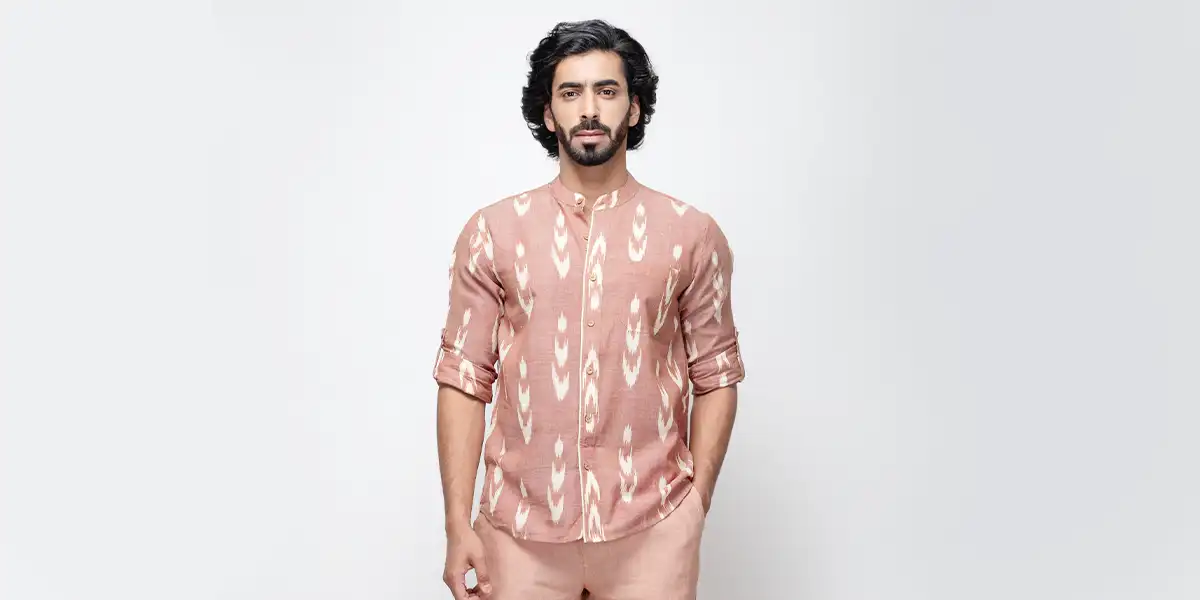
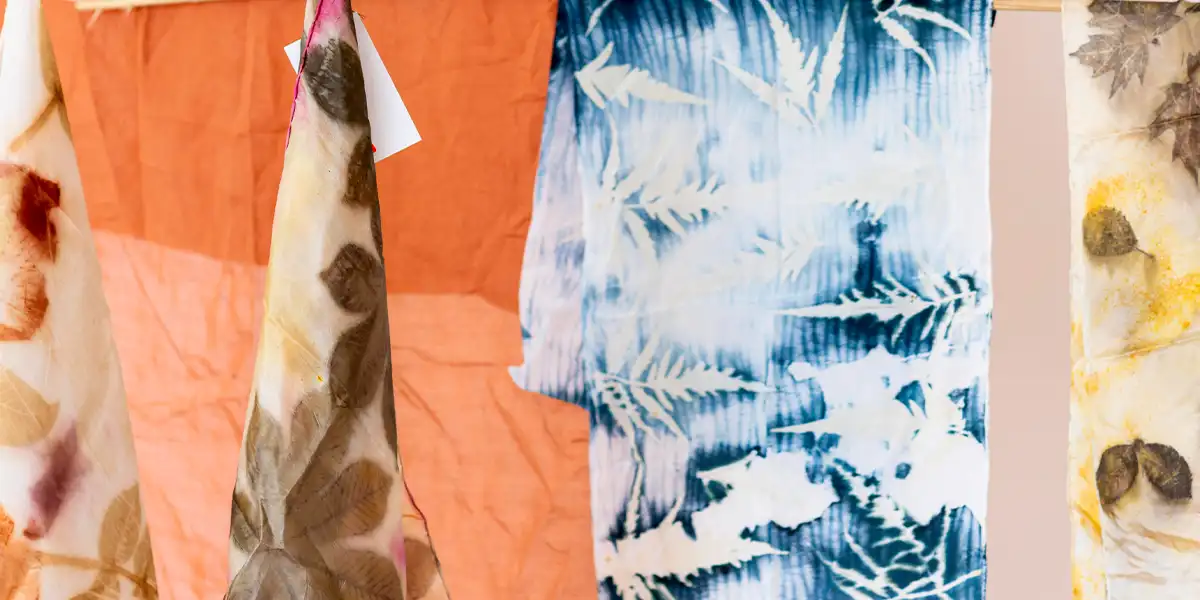
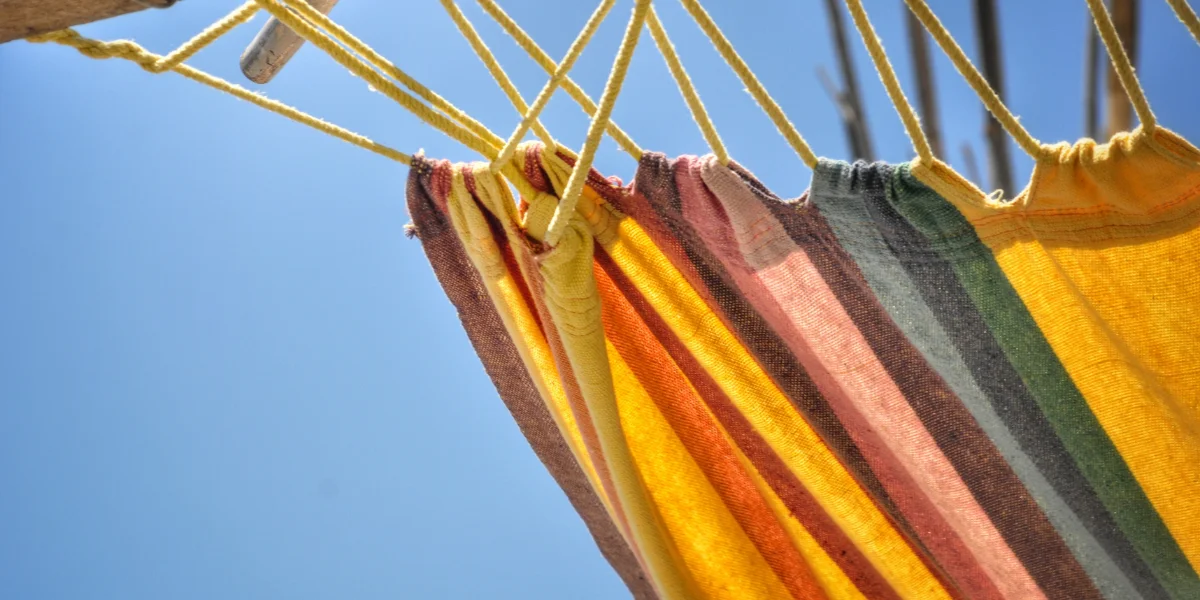
In the realm of textiles, few patterns possess the captivating allure and rich history of Ikat. Characterized by its distinctive, blurred, almost dreamlike designs, Ikat is more than just a fabric; it’s a testament to human ingenuity and artistic expression. Among the many garments adorned with this mesmerizing pattern, Ikat shirts stand out as versatile pieces that effortlessly blend tradition with contemporary style. Whether you’re looking for
casual shirts for everyday wear,
designer shirts for a special occasion, or even comfortable
cotton shirts, Ikat offers a unique aesthetic. This blog post delves into the fascinating world of Ikat shirts, exploring their origins, the intricate process of their creation, and why they remain a sought-after fashion statement for individuals around the globe, particularly in the realm of
men’s shirts.
At its core, Ikat technique is a resist dyeing technique where yarns are bound and dyed before they are woven into cloth. This pre-dyeing process is what gives Ikat fabric its characteristic blurred edges, as the dye subtly bleeds into the bound areas. The complexity lies in the precision required to predict the final pattern when the threads are woven together. The patterns are often intricate Ikat designs.
The history of Ikat is as diverse as the cultures that have embraced it. Evidence of Ikat weaving has been found across various continents, suggesting its independent development in different regions. Some notable centers of Ikat production include:
• Indonesia:
Known as “Endek” in Bali and “Gringsing” in Tenganan, Indonesian Ikats often feature intricate motifs with deep cultural and spiritual significance.
•
India:
“Patola” from Gujarat is a highly prized double Ikat (both warp and weft threads are dyed), renowned for its vibrant colors and complex designs. Notably, the
ikat origin in India is rich and varied, with different regions developing distinct styles.
• Pochampally Ikat:
A specific and celebrated style originating from Pochampally, Telangana, India. Pochampally Ikat is known for its geometric patterns and vibrant colors, often used in sarees, dress materials, and increasingly, in contemporary fashion like shirts. Its inclusion in shirt fabric brings a unique blend of tradition and modern style.
•
Japan:
Japanese Ikat, or “
Kasuri,” is typically more subdued in color and often incorporates geometric patterns or stylized motifs.
• Central Asia:
Ikat from Uzbekistan, Tajikistan, and other Central Asian countries is known for its bold colors and vibrant patterns, often incorporating silk.
• South America:
Ikat traditions exist in Argentina and other South American countries, with unique regional variations in designs and techniques.
The widespread adoption of Ikat speaks to its inherent beauty and adaptability. Each region has developed its unique style, reflecting local traditions, beliefs, and available materials. The use of ikat cloth has evolved from traditional garments to modern applications like printed shirts.
Creating an Ikat shirt is a meticulous and time-consuming process that requires skilled artisans and a deep understanding of the materials and techniques involved. The process typically involves these steps:
1. Designing the Pattern:
The Ikat design is carefully planned, considering the desired colors, ikat motifs, and overall composition. This often involves intricate calculations to ensure the pattern aligns correctly when woven.
2. Preparing the Yarns:
The yarns, typically cotton, silk, or a blend of both, are carefully selected and prepared for For cotton shirts, especially those using ikat cotton fabric, the quality of the cotton is paramount.
3. Binding the Yarns:
This is the heart of the Ikat technique. Sections of the yarns are tightly bound with a resist material, such as wax or thread, to prevent dye from penetrating those areas. The binding must be precise to create the desired pattern.
4. Dyeing:
The yarns are dyed in stages, with new sections being bound and subsequent dyeing taking place to achieve the desired color combinations. This process can be repeated multiple times, depending on the complexity of the design.
5. Weaving:
Once the dyeing is complete, the bindings are removed, and the yarns are ready for weaving. The weaver carefully aligns the dyed yarns to bring the pattern to life on the loom.
6. Cutting and Sewing:
The woven Ikat fabric is then cut and sewn into the desired shirt styles, paying close attention to pattern placement and ensuring a flattering fit. This is especially important for designer shirts, where the pattern matching and overall aesthetic are crucial.
Because of the hand-crafted nature of Ikat, no two shirts are exactly alike. Each piece carries the unique imprint of the artisan who created it, making it a truly special and individual garment. This individuality is a key selling point, differentiating them from mass-produced ikat print items.
Ikat shirts come in a wide array of styles, fabrics, and colors to suit diverse tastes and occasions. The versatility of Ikat makes it suitable for both long sleeve shirts and short sleeve shirts, catering to different climates and preferences.
• Styles:
From classic button-down shirts to relaxed-fit tunics and modern cropped styles, there’s an Ikat shirt for every silhouette. Consider the occasion when choosing a style. A tailored Ikat shirt can be perfect for shirts for evening events.
• Fabrics:
Ikat shirts can be made from various fabrics, including lightweight ikat cotton fabric for warm weather, luxurious silk for special occasions, and durable blends for everyday wear. The choice of fabric affects the drape and feel of the shirt.
• Colors:
The color palettes of Ikat shirts are as diverse as the cultures that produce them. You can find shirts with bold, vibrant hues, earthy tones, or subtle, muted shades. Pochampally Ikat, for example, is known for its vibrant and contrasting color combinations.
•
Prints:
The variety of
Ikat prints is extensive, ranging from geometric patterns to floral motifs and abstract designs. This allows for a wide range of aesthetic expressions, making Ikat shirts suitable for diverse personal styles.
When choosing an Ikat shirt, consider the occasion, your personal style, and the overall aesthetic you want to achieve. A brightly colored Ikat shirt can make a bold statement, while a more subdued pattern can add a touch of understated elegance to your look. The availability of various shirt styles ensures there’s an Ikat shirt for everyone.
The beauty of Ikat shirts lies in their versatility. They can be dressed up or down, depending on the occasion and your personal style. Here are some styling tips:
• Casual Cool:
Pair an Ikat shirt with jeans or chinos for a relaxed, everyday look. Add sneakers or sandals for a comfortable yet stylish ensemble. This works particularly well with short sleeve shirts in ikat cotton fabric.
• Bohemian Chic:
Embrace a bohemian vibe by pairing an Ikat shirt with a flowy skirt or wide-leg pants. Accessorize with layered necklaces, a wide-brimmed hat, and sandals or ankle boots.
• Smart Casual:
Elevate your look by pairing an Ikat shirt with tailored trousers or a pencil skirt. Add heels or loafers and a blazer for a polished yet stylish outfit. Long sleeve shirts in Ikat are well-suited for this style.
• Accessorizing:
Keep accessories minimal to allow the Ikat pattern to shine. Simple jewelry, a neutral-colored bag, and comfortable shoes are all you need to complete your look.
To ensure your Ikat shirt lasts for years to come, proper care is essential. Follow these guidelines:
• Read the label:
Always check the care label for specific instructions from the manufacturer.
• Hand wash or gentle cycle:
Hand washing is the gentlest option, but you can also use the delicate cycle on your washing machine.
• Use a mild detergent:
Avoid harsh chemicals or bleach that can damage the fabric and fade the colors.
• Air dry:
Hang your Ikat shirt to dry away from direct sunlight.
• Iron on low heat:
If necessary, iron your Ikat shirt on a low heat setting, avoiding direct contact with delicate embellishments.
When looking to purchase an Ikat shirt, it’s important to consider the source. Reputable shirt manufacturers who prioritize ethical production and fair wages are crucial. Look for brands that highlight the craftsmanship and heritage of Ikat weaving. Supporting these manufacturers ensures the preservation of this beautiful art form and the livelihoods of the artisans involved. You might find specialized ikat print shirts at boutiques or online retailers focusing on handcrafted textiles.
Ikat shirts offer a unique blend of history, craftsmanship, and style. Each shirt tells a story, reflecting the traditions and artistry of the culture that created it. By understanding the intricate process behind Ikat weaving and appreciating the beauty of its patterns, you can make a conscious fashion choice that supports skilled artisans and preserves cultural heritage. Whether you’re drawn to bold, vibrant colors or subtle, understated designs, an Ikat shirt is sure to add a touch of global flair to your wardrobe. From casual shirts to designer shirts, from ikat cotton fabric to luxurious silk, there’s an Ikat shirt for every occasion. So, embrace the allure of Ikat and discover the perfect shirt to express your individual style and appreciation for timeless craftsmanship. Whether you choose a short-sleeve shirt for summer or a long-sleeve shirt for cooler evenings, Ikat is a choice that speaks volumes.