In the vibrant tapestry of global textiles, few techniques captivate the eye and imagination quite like ikat. More than just a pattern, ikat is a philosophy woven into fabric, a story told through blurred lines and vibrant hues. Its distinctive, feathered-edge designs are instantly recognizable, whispering tales of ancient cultures, meticulous craftsmanship, and profound symbolism. From the sun-drenched plains of Central Asia to the lush islands of Southeast Asia, the intricate world of ikat motifs offers a fascinating glimpse into human artistry and expression, showcasing a rich history of ikat.
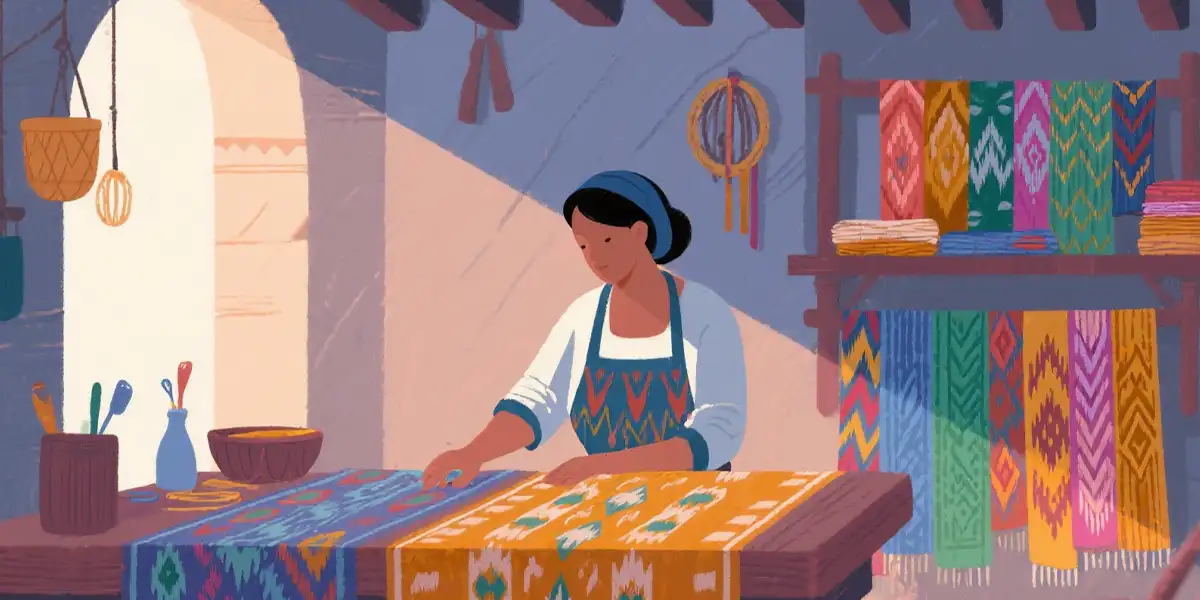
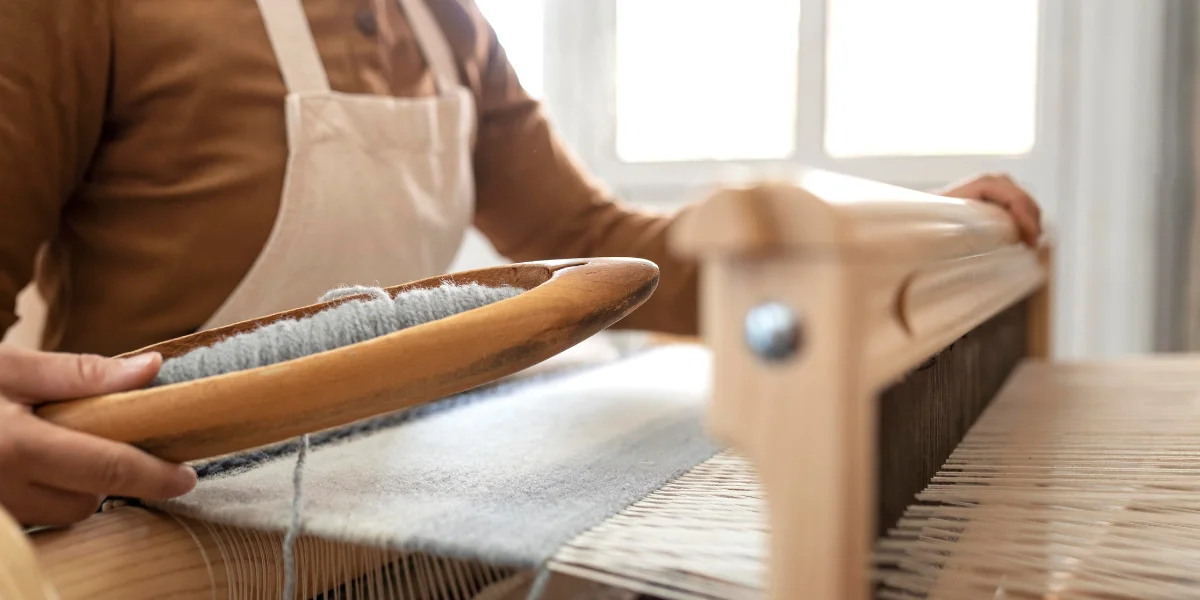
At its heart, ikat is a resist-dyeing technique applied to the yarns before they are woven. Unlike traditional dyeing where patterns are printed or painted onto finished cloth, ikat artisans carefully bind sections of warp threads, weft threads, or sometimes both (double ikat) with tight resist ties. These ties prevent dye from penetrating, creating a predetermined pattern. Once dyed, the ties are removed, revealing areas of undyed yarn alongside the colored sections. The magic truly begins on the loom, as these meticulously prepared, patterned yarns are interlaced. The slight shifting and imprecise alignment inherent in hand-weaving create the characteristic “blurred” or “feathered” edges that are the hallmark of ikat – a mesmerizing imperfection that gives each piece of ikat fabric its unique soul. This labor-intensive process, integral to the ikat making process, demands immense skill, precision, and an intuitive understanding of how colors and patterns will coalesce. The complexity ranges from simple geometric forms to highly intricate, pictorial narratives, representing the many types of ikat, each requiring months of dedication.
Whether you’re heading to the beach, running errands, or simply lounging in the sun, cotton co-ord sets keep you comfortable all day long. The lightweight fabric allows for maximum airflow, helping you stay cool and dry even during peak summer temperatures. And let’s face it—nothing beats the feeling of wearing breathable, soft cotton fabric during the hot weather!
The journey of ikat is a global one, with each region developing its own distinctive aesthetic and repertoire of motif patterns, deeply intertwined with its history, spirituality, and environment. This global spread has given rise to a diverse array of ikat textile traditions.
Southeast Asia stands as a cradle of ikat traditions. In Indonesia, particularly on islands like Sumba, Flores, and Timor, ikat textiles are more than mere adornment; they are sacred objects, markers of social status, and essential components of ceremonial life. Sumbanese ikat often features grand, narrative motif patterns depicting ancestral spirits, mythical creatures like dragons and serpents, horses (symbols of prestige and wealth), and intricate geometric patterns believed to protect the wearer. The vibrant colours, deep indigos, rich reds from madder root, and earthy browns are often derived from natural dyes, adding to their organic allure and spiritual potency. The Tenganan Pegeringsingan village in Bali is renowned for its Geringsing cloth, one of the world’s few surviving double ikat traditions. These sacred cloths feature intricate star patterns and abstract floral motifs ideas, believed to ward off evil and possess healing powers.
Across the Bay of Bengal, India boasts several distinct ikat traditions, making ikat in India a vibrant and diverse craft. Odisha (formerly Orissa) is famous for its Bandha textiles, characterized by curvilinear motif patterns of birds, animals, flowers, and traditional temple indian textile motifs like the conch shell (shankha) and wheel (chakra). The precision of Odisha ikat is remarkable, creating fluid, almost painted designs. In Andhra Pradesh, the Pochampally ikat uses smaller, more geometric motif patterns, often diamonds and checks, favored for saris and home furnishings. Perhaps the pinnacle of Indian ikat is the Patola of Gujarat, an exquisite double ikat silk renowned for its vibrant colors, intricate designs, and exceptional fineness. Patola motifs are highly stylized, depicting parrots, elephants, floral sprays, dancing figures, and geometric patterns, each carrying auspicious meanings and serving as heirlooms passed down through generations.
The dazzling Central Asian ikats, particularly from Uzbekistan and Tajikistan, are celebrated for their bold, vibrant colors and large, sweeping motifs. Known as Adras (a blend of silk and cotton) and Atlas (pure silk), these ikat textiles were historically worn as robes (chapan) by nobility and royalty. Their motifs often include stylized pomegranates, circular medallions, undulating lines, and abstract floral designs, all rendered in a kaleidoscope of hues – rich blues, deep reds, bright yellows, and emerald greens. These motif patterns reflect the region’s rich Silk Road heritage and nomadic artistry, symbolizing fertility, prosperity, and the eternal cycle of life.
Moving eastward, Japan’s Kasuri (a term for ikat) offers a more understated and refined aesthetic. Often woven in indigo and white, Japanese ikat motifs tend to be smaller, more geometric, and tightly controlled, reflecting a preference for subtle beauty and precision. Designs range from tiny dots and dashes to stylized arrows (
ya-gasuri), cross patterns (jūmonji), and abstract interpretations of natural elements like bamboo or tortoiseshells, often imbued with meanings of good fortune or longevity.
Beyond these major hubs, ikat traditions can also be found in Yemen (known for stunning warp ikat textiles), parts of Africa (often featuring geometric motif patterns and earthy tones), and even indigenous communities in South America, where rougher textures and traditional symbols might grace hand-spun alpaca or cotton clothing.
Beyond their regional distinctions, ikat motifs serve as a profound language, conveying a wealth of symbolism. Geometric motif patterns—diamonds, zigzags, concentric squares—are ubiquitous and often represent cosmic order, protection, fertility, or duality. Animal motifs are particularly rich in meaning: the elephant signifies strength and wisdom; the bird often represents freedom or the soul’s journey; the serpent can symbolize transformation or mythical power; and the horse is a symbol of prestige. Floral motifs like the lotus or tree of life denote beauty, purity, growth, and connection to the divine. Human or ancestral figures, though often highly stylized, embody lineage, spiritual guardians, or historical narratives. The specific arrangement and combination of these motif in textiles often tell stories of creation, social rites, or the spiritual beliefs of the community. They are not merely decorative elements but spiritual anchors, cultural records, and personal talismans, offering endless motifs ideas.
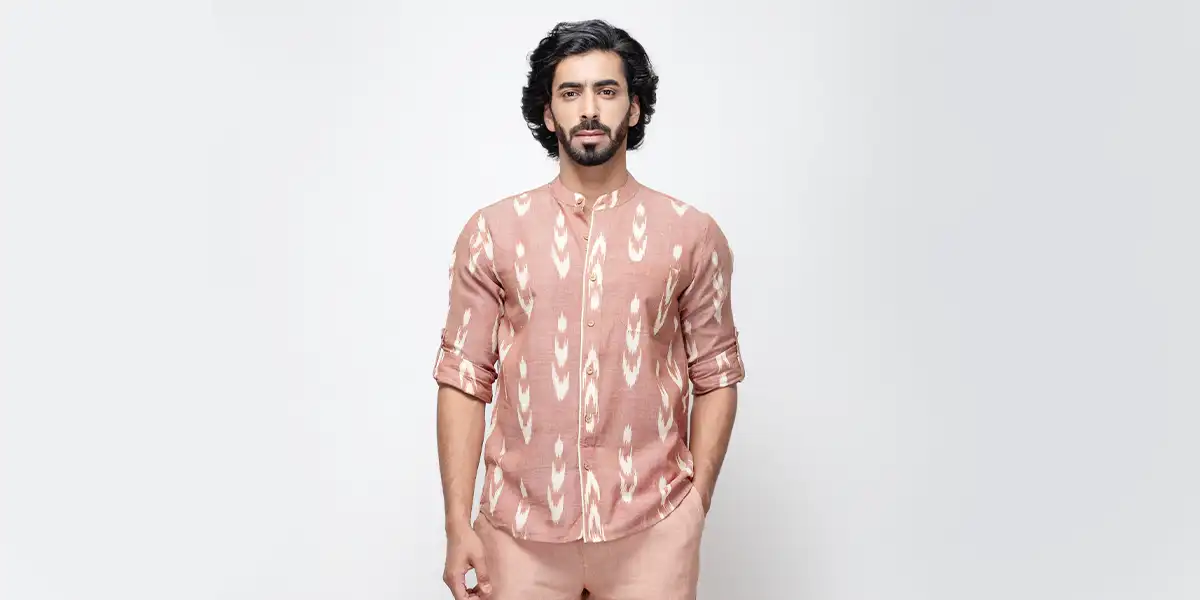
In recent decades, ikat has transcended its traditional role, finding its way into contemporary fashion runways, luxury home furnishings, and mainstream decor. Designers are drawn to its unique texture, the handcrafted appeal, and the inherent narrative each ikat motif carries. From pillows and upholstery to modern apparel and accessories, ikat’s timeless allure lies in its ability to bridge ancient artistry with modern aesthetics. The rise of
ikat print in contemporary design is a testament to its enduring appeal. This resurgence also highlights a growing appreciation for sustainable practices and ethical sourcing, as consumers seek sustainable clothing and handmade
cotton clothing that tell a story and support traditional artisan communities. The demand for ikat cotton fabric and other natural fibers aligns perfectly with the principles of sustainable fashion.
However, the future of ikat, like many heritage crafts, faces challenges. The labor-intensive nature of its creation makes it difficult to compete with mass-produced textiles. The intricate skills are traditionally passed down through generations, but globalization and economic pressures sometimes divert younger generations away from these time-honored crafts. Preservation efforts, fair trade initiatives, and global recognition are crucial to ensure that the whispering threads of ikat continue to weave their magic for generations to come. Supporting these artisans means not only acquiring a beautiful ikat textile but also contributing to the survival of a living art form and promoting
sustainable fashion.
In every blurred line and vibrant hue, an ikat motif is a journey. It is a journey through history, across continents, and into the heart of human creativity. It speaks of patience, skill, and a deep connection to culture and environment. To truly appreciate ikat is to understand that beneath its captivating surface lies a narrative as rich and intricate as the threads themselves, a timeless testament to the beauty of intentional imperfection and the enduring power of art.