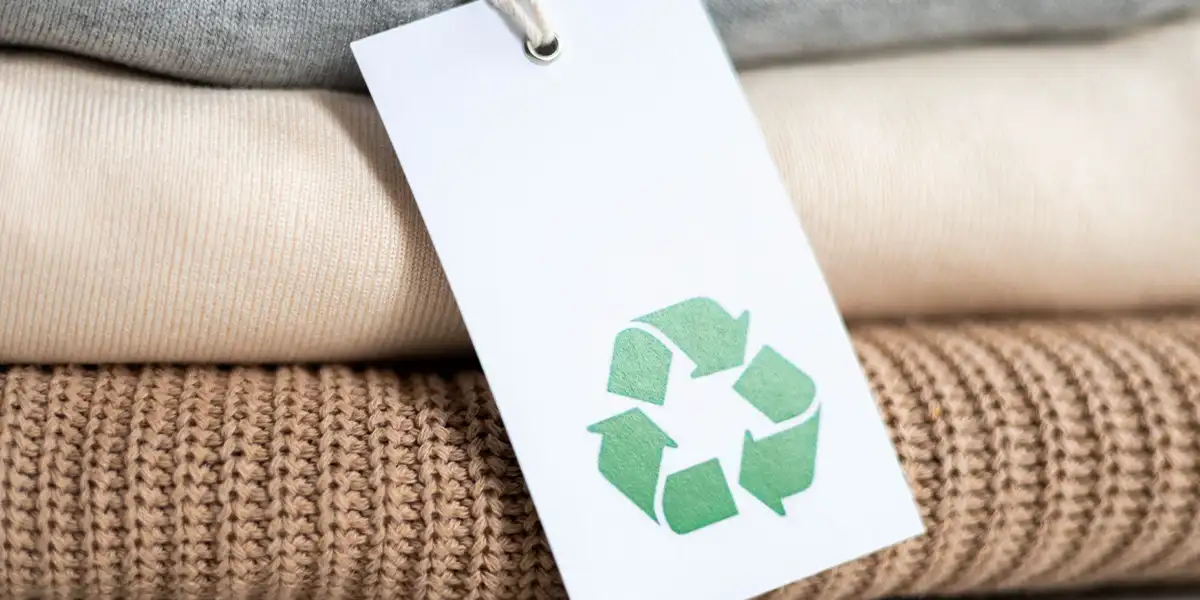
As people become more aware of their choices, the materials in cotton clothing and home goods matter more than ever. Cotton is known for being breathable, but its production can harm the environment and communities. Organic cotton fabric is a better option, offering comfort and softness while helping the planet and supporting healthier communities. Choosing organic cotton shows you care about
eco-friendly clothing and a more sustainable future.
Organic cotton fabric is made from cotton grown without toxic synthetic pesticides, herbicides, or GMOs. Farmers use eco-friendly methods that protect the environment, such as composting, using helpful insects, and rotating crops to keep the soil healthy and manage pests. These natural practices avoid harmful chemicals and help maintain soil fertility and biodiversity. This dedication is what makes organic cotton truly different.
The journey of organic cotton extends beyond the farm. For a product to truly be considered organic clothing, the fabric must also be processed without toxic chemicals, heavy metals, or chlorine bleach. Dyes used must meet stringent environmental and toxicological criteria, and the entire supply chain, from ginning to spinning, weaving, and finishing, must adhere to strict social and environmental standards. This holistic approach is what sets certified organic cotton fabric apart and positions it within the broader organic textile industry.
The environmental benefits of choosing organic cotton fabric are profound and far-reaching, directly contributing to a sustainable lifestyle this is why organic cotton’s advantages are more important now than ever.
1. Soil Health and Biodiversity:
Conventional cotton clothing farming often depletes soil fertility and destroys beneficial microorganisms through heavy chemical use. Organic cotton farming, conversely, focuses on building healthy soil through composting and crop rotation. Healthy soil acts as a carbon sink, sequestering CO2 from the atmosphere and combating climate change. It also retains water better, reducing drought impact and erosion, and fosters biodiversity, creating a thriving ecosystem crucial for sustainable cotton clothing.
2. Water Conservation:
A common misconception is that all cotton is water-intensive. While conventional cotton can be, organic cotton often relies significantly on rainwater (green water) rather than irrigation (blue water). Healthy organic soils also absorb and retain water more efficiently, meaning less irrigation is needed. Furthermore, the absence of synthetic pesticides and fertilizers prevents the pollution of local waterways, protecting aquatic life and ensuring clean water for communities, a key aspect of eco-friendly clothing.
3. Elimination of Toxic Chemicals:
This is perhaps the most critical difference. Conventional cotton is one of the most chemically intensive crops globally, using vast amounts of synthetic fertilizers, insecticides, and herbicides. These chemicals contaminate soil, air, and water, posing severe risks to farm workers, local communities, and wildlife. Organic cotton completely eliminates these toxic inputs, creating a safer and cleaner environment for everyone.
4. Reduced Energy Consumption:
The production of synthetic pesticides and fertilizers is energy-intensive. By eliminating these inputs, organic cotton farming significantly reduces its energy footprint, contributing to lower greenhouse gas emissions within the organic textile industry.
The advantages of organic cotton fabric extend beyond ecological well-being, enhancing the appeal of organic clothing:
1. Healthier Farmers and Communities:
Farmers and their families are often the first to suffer the consequences of chemical exposure. Switching to organic cotton methods dramatically improves their health and safety, freeing them from the burden of pesticide-related illnesses and exposure to hazardous chemicals. This creates safer working conditions and healthier rural communities that produce sustainable cotton clothing.
2. Superior Softness and Breathability:
Many consumers report that organic cotton fabric feels noticeably softer and more comfortable against the skin. This can be attributed to the organic cotton fibers being less damaged by harsh chemicals during growth and processing. The absence of chemical residues also makes it an excellent choice for sensitive skin, infants, and those with allergies, positioning organic cotton clothing as naturally hypoallergenic. Its inherent breathability makes it ideal for everything from baby clothes to summer wear.
3. Durability and Longevity:
Fibers grown without harsh chemicals tend to be stronger and more resilient, leading to more durable fabrics that last longer. Investing in high-quality organic cotton fabric means investing in products that withstand the test of time, reducing the need for frequent replacements and thereby lessening overall environmental impact, promoting a sustainable lifestyle.
To truly appreciate organic cotton fabric, it’s essential to understand the practices it seeks to replace when compared to standard cotton clothing.
• Genetically Modified Seeds (GMOs):
Engineered to resist pests or herbicides, often leading to a cycle of dependence on specific chemical companies.
• Synthetic Pesticides and Herbicides:
Used to control weeds and insects, these chemicals can be neurotoxins, carcinogens, and endocrine disruptors.
• Synthetic Fertilizers:
Boost yields but deplete soil health over time and contribute to water pollution through runoff.
• Defoliants:
Sprayed on plants to make harvesting easier, often highly toxic.
The conventional cotton industry’s impact includes widespread pesticide poisoning among farmers, child labor, debt bondage due to expensive GMO seeds and chemicals, and severe environmental degradation. Organic cotton offers a lifeline, breaking this destructive cycle and fostering a system that supports both people and the planet, defining the purpose of sustainable cotton clothing.
Given the growing demand for sustainable fashion and organic clothing, certifications play a crucial role in verifying the authenticity of organic cotton fabric. The most widely recognized and stringent standard is:
• Global Organic Textile Standard (GOTS):
GOTS certification doesn’t just cover the farming of organic cotton; it ensures environmental and social responsibility throughout the entire supply chain. This means:
• At least 70% (GOTS Organic) or 95% (GOTS Organic Certified) organic fabric material content.
• Prohibition of toxic heavy metals, formaldehyde, aromatic solvents, and GMOs.
• Strict wastewater treatment requirements
• Fair labor practices (no child labor, safe working conditions, fair wages).
• Traceability from field to finished product. This standard is particularly relevant for organic cotton fabric in India, where a significant portion of global organic cotton is grown and processed.
Other important certifications include the Organic Content Standard (OCS), which tracks the organic content from source to final product, and Fair Trade Certified, which focuses on ethical trade and supports farmers and workers through fair prices and community development. When you see these labels, you can trust that your organic cotton fabric purchase aligns with strict environmental and social criteria, supporting the organic textile industry.
The production of organic cotton fabric is a meticulous process that emphasizes transparency and ethical conduct at every stage:
• Cultivation:
Organic cotton seeds are planted in healthy, living soil, free from GMOs and synthetic chemicals. Farmers practice crop rotation, composting, and natural pest control.
• Harvesting:
Cotton is harvested traditionally, often by hand, without the use of chemical defoliants, contributing to
handmade cotton clothing.
• Ginning:
The cotton fibers are separated from the seeds, a mechanical process free from harsh chemicals.
• Spinning:
The clean organic cotton fibers are spun into yarn.
• Weaving/Knitting:
The yarn is then woven or knitted into organic fabric material.
• Finishing:
This stage involves washing, dyeing (using low-impact, GOTS-approved dyes), and other treatments. No chlorine bleach or other hazardous chemicals are permitted.
• Sewing:
The finished organic cotton fabric is cut and sewn into organic cotton clothing or other textile products, adhering to fair labor practices.
Each step is carefully monitored to maintain the integrity of the organic standard, ensuring that the final organic cotton fabric product is truly sustainable cotton clothing and safe.
Caring for organic cotton fabric is similar to caring for cotton clothing, but a gentle approach can enhance its longevity:
• Washing:
Wash in cold water with a gentle, eco-friendly detergent. Cold water saves energy and is kinder to the organic fabric material.
• Drying:
Tumble dry on a low setting or, even better, line dry. Air drying saves energy and helps maintain the fabric’s shape and softness.
• Avoid Harsh Chemicals:
Steer clear of bleach or harsh stain removers, as these can damage the natural fibers and counteract the benefits of organic processing.
With proper care, your organic cotton fabric items will remain soft, comfortable, and beautiful for years to come, further maximizing their sustainable lifestyle impact.
The demand for organic cotton fabric has surged in recent years, driven by increased consumer awareness and a growing commitment from brands toward sustainable fashion. Consumers are actively seeking eco-friendly clothing and products that align with their values, prioritizing transparency, ethical production, and environmental responsibility. Major brands are responding by integrating organic cotton into their collections, recognizing its appeal and its role in building a more responsible supply chain and strengthening the organic textile industry. This shift signifies a hopeful future where sustainability is not just a niche market but an industry standard. Organic cotton fabric stands at the forefront of this movement, offering a tangible way for individuals and businesses to make a positive impact on the planet and its people, especially visible in the growth of organic cotton fabric in India.
Choosing organic cotton fabric is more than just a preference for softness; it’s an informed decision that supports a healthier planet, empowers farmers, and delivers superior organic clothing free from harmful chemicals. It embodies a holistic approach to textiles, one that considers every step from seed to skin. As we continue to navigate the complexities of modern consumption, embracing materials like organic cotton offers a clear path toward a more sustainable, ethical, and beautiful future, one thread at a time. By opting for organic cotton fabric, we participate in a quiet, yet powerful, revolution for the good of all, contributing to a truly sustainable lifestyle through eco-friendly clothing choices.