


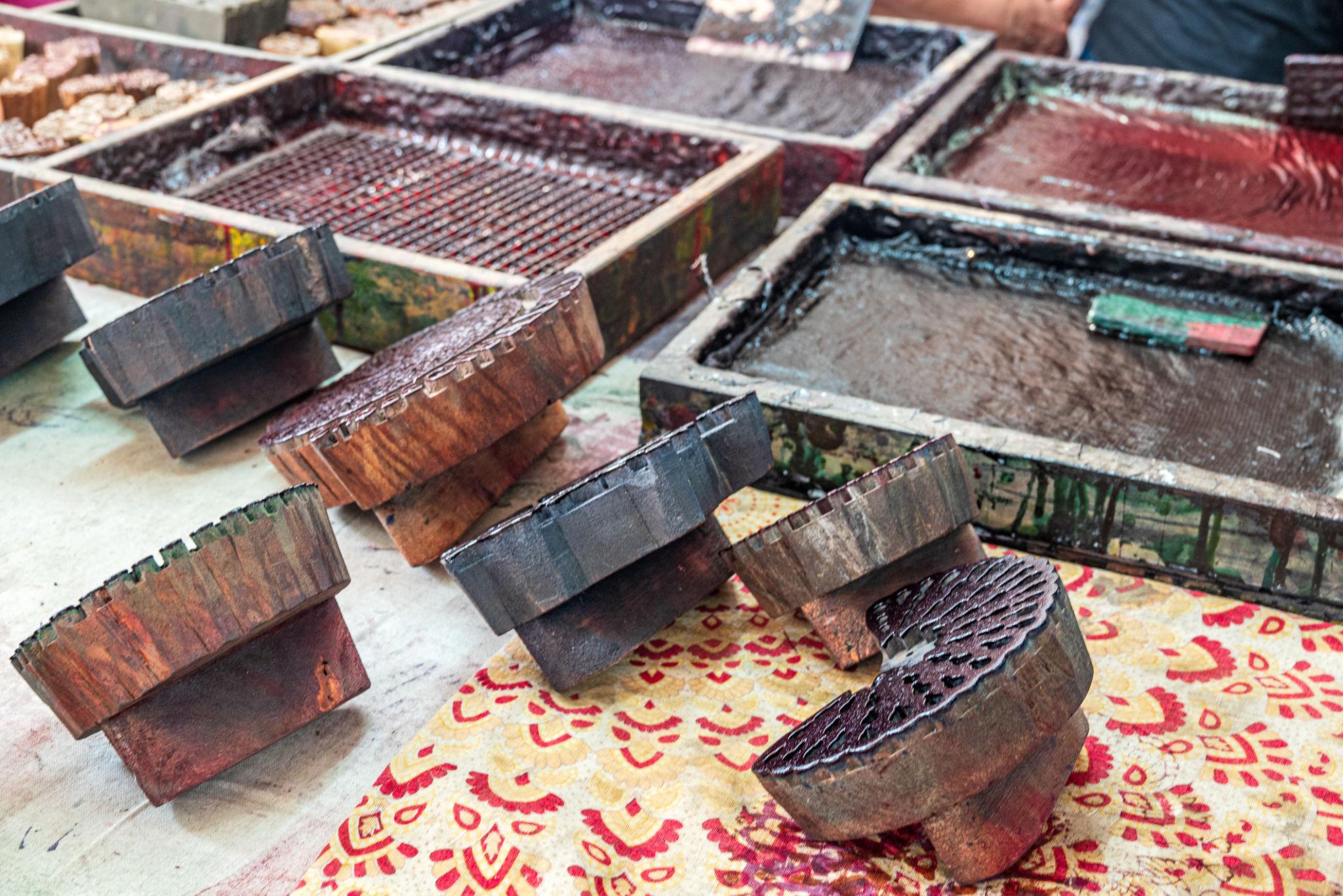
The Art of Tradition: A Deep Dive into the Hand Block Printing Process
The Art of Tradition: A Deep Dive into the Hand Block Printing Process
In an era of fast fashion and rapid automation, there is a soulful movement returning to the “slow” side of style. At the heart of this revival is the hand block printing process, a centuries-old craft that transforms simple organic cotton fabric into a canvas of intricate storytelling.
If you’ve ever admired the rhythmic patterns on a high-quality cotton clothing piece, you’ve likely witnessed the beauty of human touch. This guide explores the meticulous journey from a wooden block to a finished garment and why it remains a cornerstone of a sustainable lifestyle.
What is Hand Block Printing?
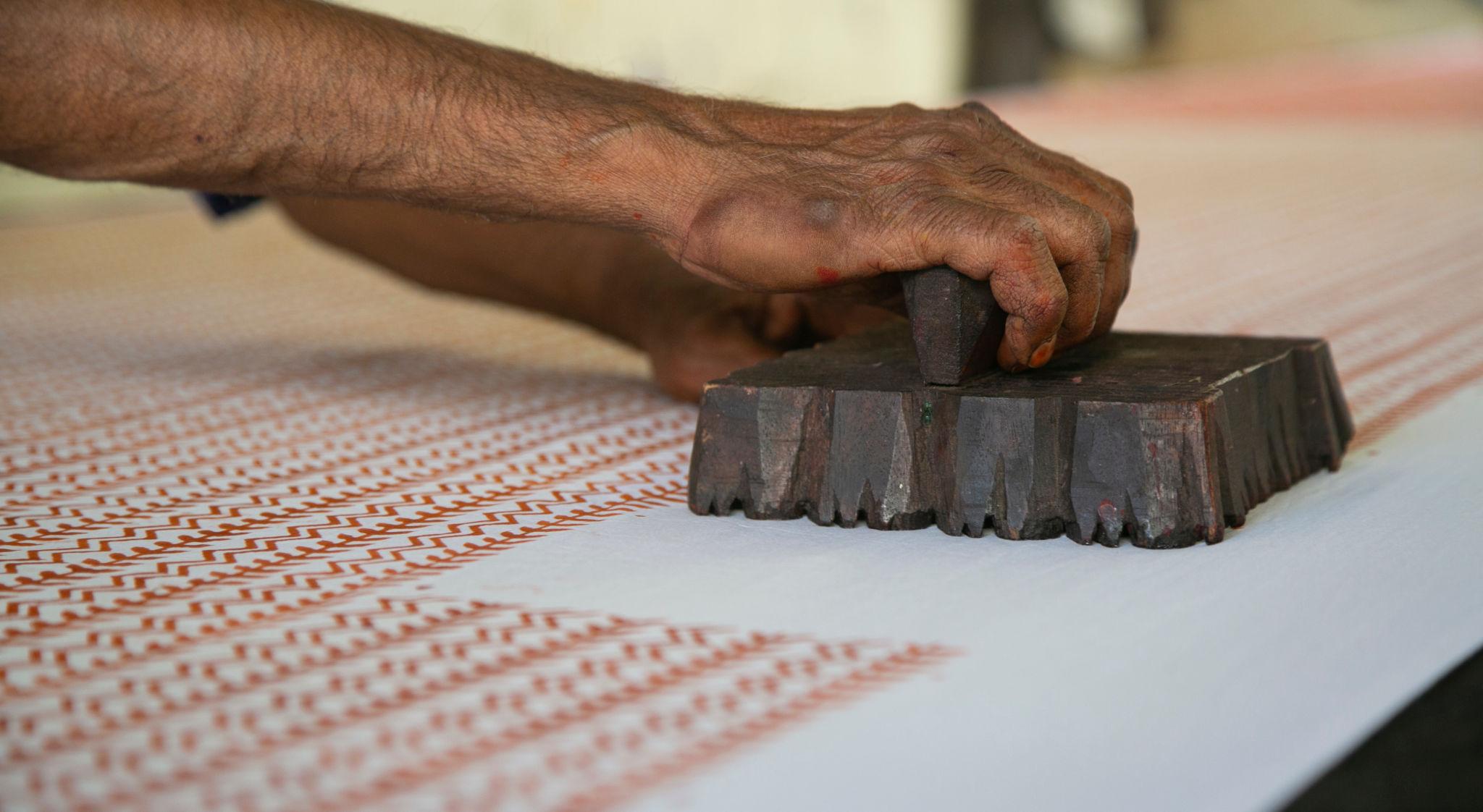
Hand block printing is a labor-intensive technique where artisans use hand-carved wooden blocks to stamp designs onto textiles. Originating thousands of years ago in East Asia and perfected in the royal workshops of Rajasthan, India, this method is celebrated for its unique imperfections, a “human touch” that machines simply cannot replicate.
Why it Matters Today
As we shift toward sustainable practices, hand block printing stands out because it primarily utilizes Sustainable Materials Used in Fashion, such as natural dyes and biodegradable fibers.
The Step-by-Step Process of Hand Block Printing
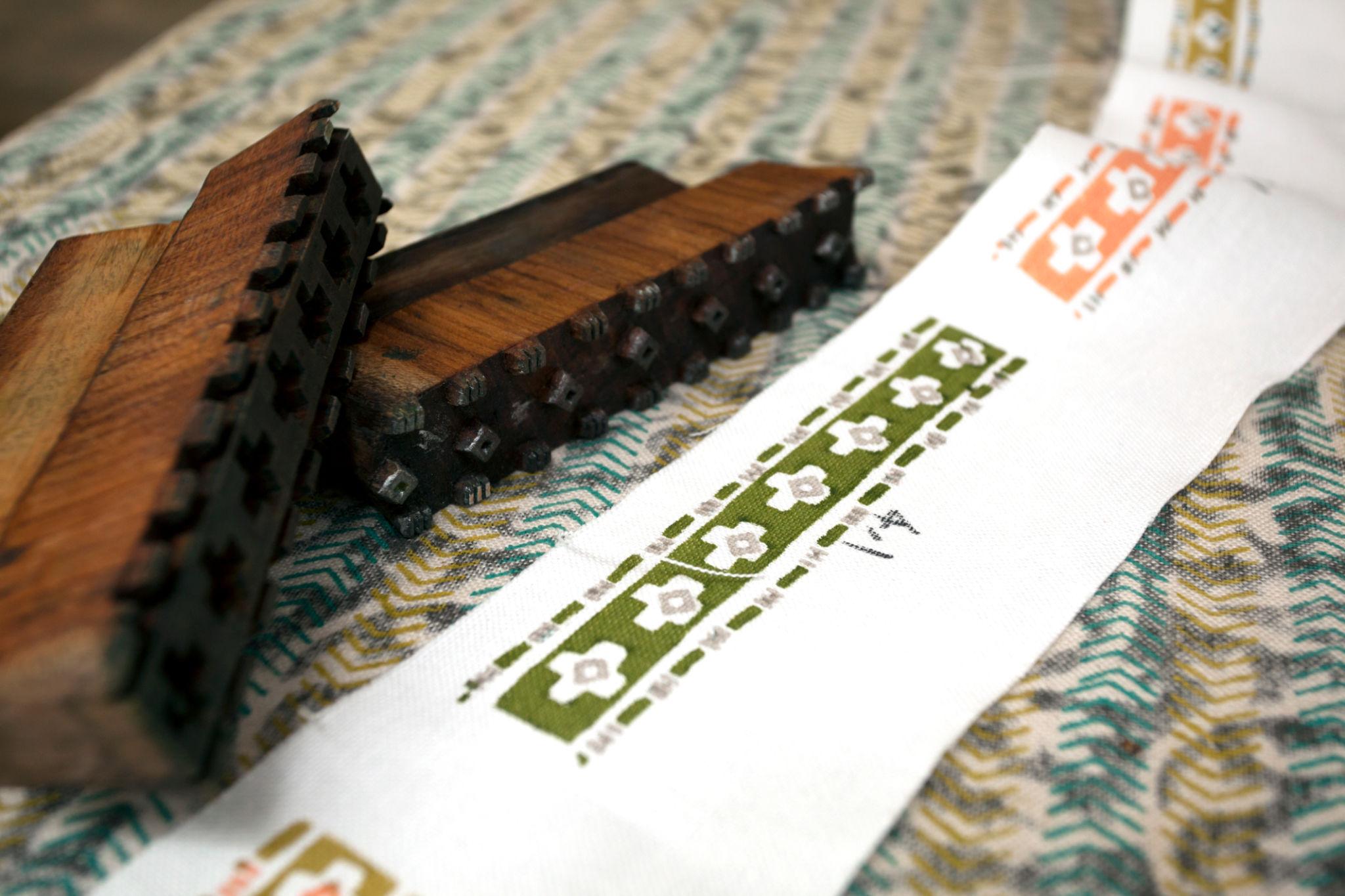
The process of hand block printing is a test of patience, precision, and artistry. It involves several distinct stages:
1. Wood Carving (The Design Phase)
Every hand block print design begins with a piece of seasoned teak or sheesham wood. Master carvers trace intricate patterns onto the wood and use small chisels to carve out the negative space. Each color in a design requires a separate block.
2. Fabric Preparation
Before any ink touches the cloth, the hand block printing fabric (usually organic cotton fabric) must be scoured and treated. This involves washing the fabric to remove starch and impurities, ensuring the dyes bond permanently with the fibers.
3. Dye Preparation
Authentic block printing often relies on vegetable and mineral dyes. Indigo, turmeric, and pomegranate rinds are common sources, aligning perfectly with modern sustainable lifestyle values.
4. The Printing (The Rhythmic Stamp)
The fabric is stretched tightly across a long table. The printer dips the wooden block into a wooden tray filled with dye and taps it firmly onto the fabric.
1. The “Point”:
Printers use tiny guide marks on the blocks to ensure the patterns align perfectly.
2. The Sound:
The rhythmic thump-thump of the printer’s palm against the block is the heartbeat of the workshop.
5. Drying and Finishing
Once printed, the fabric is dried in the sun to set the colors. Depending on the technique, it may then be steamed, washed, and ironed to achieve a soft, wearable finish for cotton clothing.
Popular Types of Hand Block Printing
While the basic technique remains the same, regional variations have birthed diverse types of hand block printing:
Type | Origin | Key Characteristics |
Ajrakh | Gujarat/Sindh | Geometric patterns, deep blues and reds, complex double-sided printing. |
Bagh | Madhya Pradesh | Bold floral motifs, primarily black and red dyes derived from iron and alum. |
Sanganeri | Rajasthan | Delicate floral "butas" on white or off-white backgrounds; very refined. |
Dabu | Rajasthan | A mud-resist technique that creates a unique "cracked" aesthetic. |
Sustainability: Fashion with a Conscience with Block Printing on Fabric
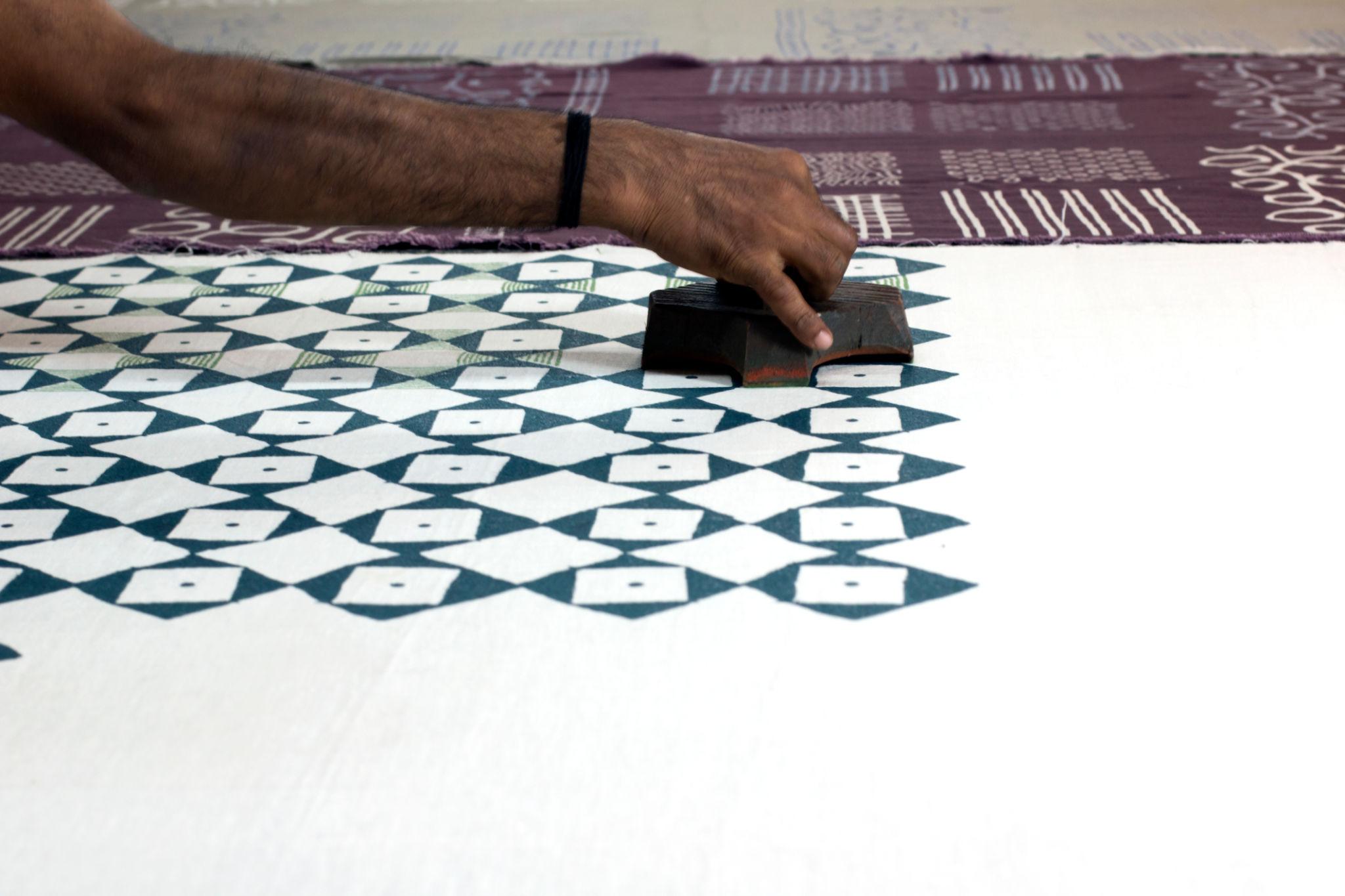
The global fashion industry is one of the largest polluters, but hand block printing on fabric offers a path forward through Sustainable Materials Used in Fashion.
Organic Cotton Fabric
Most traditional block printers prefer organic cotton fabric. Unlike conventional cotton, organic versions are grown without synthetic pesticides, making the soil healthier and the final cotton clothing safer for your skin.
Eco-Friendly Practices
1. Water Conservation:
Many artisan clusters use recycled water systems.
2. Low Carbon Footprint:
The process is almost entirely manual, requiring very little electricity.
3. Durability:
Hand-printed fabrics are known for their longevity, discouraging the “throwaway” culture.
“Choosing hand block prints is an investment in the planet. It’s a commitment to sustainable practices that honor both the maker and the environment.”
How to Style Hand Block Prints in a Modern Wardrobe
You don’t need to dress in traditional attire to appreciate a hand block print design. Here is how to integrate these pieces into a modern, sustainable lifestyle:
1. The Statement Scarf:
A hand-printed silk or cotton scarf can elevate a simple white t-shirt and jeans.
2. The Office Shirt:
Look for subtle, monochrome block prints in tailored silhouettes for a professional yet ethical look.
3. Home Decor:
Beyond clothing, block-printed tablecloths and cushions add warmth and texture to a minimalist home.
Summary: The Future of the Craft
The hand block printing process is more than just a way to decorate cloth; it is a cultural heritage. By supporting this industry, consumers help preserve ancient skills and ensure that sustainable practices remain at the forefront of the fashion world.
When you buy hand block printing clothing, you aren’t just buying a pattern you are buying a piece of history, crafted by hand, meant to last a lifetime.
FAQ's
Hand block printing is a centuries-old manual technique where intricate designs are carved into wooden blocks, dipped in dye, and stamped onto fabric by hand. This artisan-driven process creates a unique, rhythmic pattern that machines cannot replicate. Each “imperfection” in the print is a hallmark of its handmade authenticity, making every piece of hand block print fabric a one-of-a-kind work of art.
India is the global heart of this craft, with distinct regional styles:
- Ajrakh: Known for complex geometric patterns and deep indigo and madder red natural dyes (Gujarat/Rajasthan).
- Bagh: Characterized by bold floral motifs and a sophisticated use of black and red pigments (Madhya Pradesh).
- Sanganeri: Features delicate, colorful floral “butis” on white or pale backgrounds (Jaipur).
- Dabu: A unique “mud-resist” printing technique that creates beautiful, earthy patterns.
You can source authentic hand block print fabric directly from artisan clusters in Rajasthan (Jaipur and Bagru) or Gujarat. For global convenience, many sustainable fashion platforms and hand block print manufacturers in India offer these textiles online. Look for “Craftmark” certified vendors to ensure you are supporting genuine artisans and receiving high-quality, ethically made materials.
Natural fibers are the best choice because they absorb dyes more effectively than synthetics. Cotton is the most popular fabric due to its breathability and smooth surface. Other common materials include Silk, Chanderi, and Linen. For a more luxurious drape, “Silk-Cotton” blends are frequently used in high-end hand block print designs.
To preserve the vibrancy of the natural dyes, always wash hand-printed garments in cold water with a mild, pH-neutral detergent. Avoid soaking them for long periods and always dry them in the shade, as direct sunlight can cause the traditional pigments to fade over time.