


How Sustainable is the Fashion Industry? The Uncomfortable Truth and the 2026 Path Forward
How Sustainable is the Fashion Industry? The Uncomfortable Truth and the 2026 Path Forward
The question “how sustainable is the fashion industry?” has moved from a niche concern to a global emergency. In 2026, the industry is at a crossroads. On one hand, we see a surge in innovative sustainable materials and stricter regulations; on the other, “ultra-fast fashion” continues to pump out millions of garments daily, pushing our planetary boundaries to the limit.
Is the industry truly changing, or is it just getting better at marketing? Let’s dive into the data, debunk the myths, and look at the real state of sustainable clothing today.
The Current State: Fashion by the Numbers (2026)
To understand how sustainable the fashion industry is, we have to look at its footprint. Despite the “green” collections appearing in windows, the macro-statistics remain sobering:
1. Carbon Emissions:
The fashion industry is responsible for roughly 8–10% of global carbon emissions more than all international flights and maritime shipping combined.
2. Textile Waste:
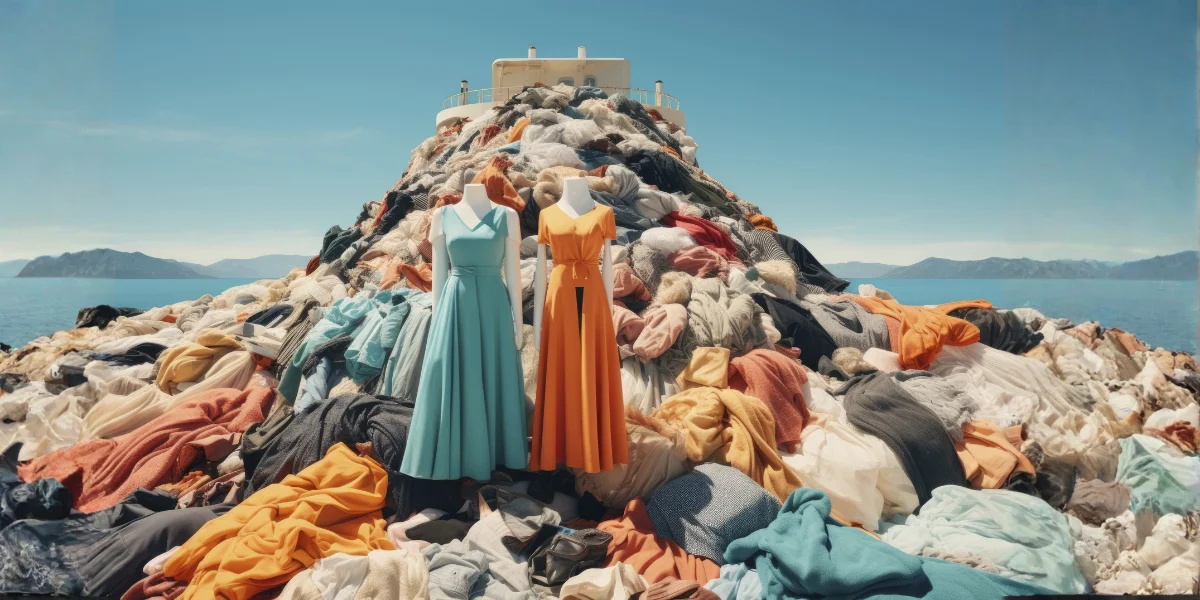
Every second, the equivalent of one garbage truck of textiles is landfilled or incinerated. This adds up to 92 million tonnes of waste annually.
3. Water Crisis:
It takes approximately 2,700 liters of water to produce a single conventional cotton T-shirt enough for one person to drink for 2.5 years.
4. Recycling Gap:
Currently, less than 1% of material used to produce clothing is recycled into new clothing.
Debunking Common Myths About Sustainable Fashion
Misinformation is one of the biggest hurdles to a truly sustainable lifestyle. To make better choices, we first need to clear the air on these frequent misconceptions:
Myth 1: Sustainable Fashion is Always Expensive
The Reality:
While ethical brands often have higher upfront costs due to fair wages and high-quality sustainable materials, the “cost per wear” is often lower. A $100 organic hemp jacket that lasts ten years is cheaper than five $30 polyester jackets that fall apart in months. Furthermore, a sustainable lifestyle includes thrifting, swapping, and repairing options that are often cheaper than buying new fast fashion.
Myth 2: Natural Fabrics are Always Sustainable
The Reality:
Not all “natural” fibers are created equal. Conventional cotton, for instance, is one of the most water-intensive and pesticide-heavy crops on Earth. To be truly sustainable, fibers must be organic or regenerative.
Myth 3: It's Just a Trend for Environmentalists
The Reality:
In 2026, sustainability is a survival strategy. With the rollout of the Digital Product Passport (DPP) in Europe and stricter labor laws globally, brands are being forced to adopt sustainable practices not just for “vibe,” but for legal compliance.
The Building Blocks of a Greener Wardrobe
If you’re looking to transition to sustainable clothing, you need to know what to look for. The industry is shifting toward a circular model, focusing on two main pillars:
1. Sustainable Materials to Look For
The “material mix” of your clothes is the biggest factor in their environmental impact. Look for:
1. TENCEL™ Lyocell:
Made from sustainably sourced wood pulp in a closed-loop process.
2. Organic Hemp:
Requires very little water and no pesticides.
3. Mycelium Leather:
A bio-fabricated “leather” made from the root structure of mushrooms.
4. Recycled Polyester:
Often made from ocean-bound plastic or PET bottles (though fiber-to-fiber recycling is the ultimate goal).
2. Recognizing Sustainable Clothing Certification
Don’t take a brand’s word for it look for third-party verification. In 2026, these are the gold standards:
Certification What it Guarantees
GOTS (Global Organic Textile Standard)
At least 70% organic fibers and strict social/chemical criteria.
OEKO-TEX Standard 100
The fabric is tested and free from harmful levels of toxic substances.
Fairtrade Certified
Ensures farmers and workers are paid fair wages and work in safe conditions.
Cradle to Cradle (C2C)
Assesses products for circularity, renewable energy, and water stewardship.
Bluesign®
Guarantees the highest level of consumer safety and minimum impact on people/environment.
Moving Toward a Sustainable Lifestyle: Actionable Practices
The most sustainable garment is the one already in your closet. However, when you do need to add to your wardrobe, adopting sustainable practices can significantly lower your personal footprint.
1. The 30-Wear Rule:
Before buying, ask: “Will I wear this at least 30 times?” If the answer is no, leave it on the rack.
2. Mend and Tend:
Learning basic sewing skills or finding a local tailor can double the life of your clothes.
3. Low-Impact Laundry:
Washing at 30°C and air-drying can reduce a garment’s carbon footprint by up to 25%.
4. Support Circularity:
Look for brands that offer “take-back” programs or sell “pre-loved” versions of their own gear.
Is the Fashion Industry Truly Sustainable Yet?
The honest answer is: No, but it is evolving. In 2026, we are seeing a massive “Green Split.” Traditional fast fashion is doubling down on volume, while a new wave of brands is proving that a circular economy is possible. The shift toward sustainable clothing certification and the rise of bio-fabricated sustainable materials are huge wins.
However, systemic change requires more than just better fabric; it requires a reduction in total production. As consumers, our power lies in demanding transparency and choosing quality over quantity.
FAQ's
Sustainable fashion is critical because the traditional clothing industry is one of the world’s largest polluters. By prioritizing ethical production, we reduce carbon emissions, minimize water waste, and ensure fair wages for garment workers. In 2026, choosing sustainable brands is a powerful way for consumers to combat climate change and protect global ecosystems while still enjoying high-quality style.
Sustainable manufacturing is required to break the “take-make-waste” linear model. It focuses on energy efficiency, non-toxic production processes, and zero-waste goals. By implementing these practices, sustainable manufacturers reduce the environmental footprint of factories, preventing hazardous chemicals from leaching into local water supplies and ensuring a safer working environment for employees.
Using sustainable materials such as organic cotton, Tencel, or recycled polyester drastically reduces the consumption of natural resources. Unlike synthetic fibers that shed microplastics, many natural sustainable materials are biodegradable. These fabrics are often more durable and skin-friendly, offering a “breathable” quality that synthetic, petroleum-based textiles simply cannot match.
Sustainable fashion prioritizes quality over quantity. While fast fashion relies on trend-driven, disposable clothing that ends up in landfills, sustainable fashion promotes “slow fashion” and timeless designs. It offers better craftsmanship, ethical labor practices, and a significantly lower environmental impact, making it a much more responsible choice for the long-term health of our planet.
Sustainable materials often carry a higher price tag due to the “true cost” of ethical production. This includes paying living wages to farmers and weavers, using expensive non-toxic dyes, and investing in eco-friendly certifications. Additionally, small-scale sustainable manufacturing doesn’t benefit from the massive economies of scale that fast-fashion giants use to keep prices artificially low at the expense of the environment.