



The Ultimate Guide to Organic Handmade Dhotis: Why You Should Buy Organic Handmade Dhotis Online
The Ultimate Guide to Organic Handmade Dhotis: Why You Should Buy Organic Handmade Dhotis Online
In an era of fast fashion and mass-produced synthetic garments, there is a growing movement toward returning to our roots through organic clothing. For the conscious consumer, clothing is no longer just about aesthetics; it is about the story behind the fabric, the hands that wove it, and the impact it leaves on the planet. When you choose to Buy Organic Handmade Dhotis Online, you aren’t just purchasing a piece of traditional Indian attire; you are investing in a legacy of craftsmanship and environmental stewardship.
At Sepia Stories, we believe that what we wear should reflect our values. Our collection of dhotis for men is designed for the modern individual who respects tradition but demands the purity of nature. In this comprehensive guide, we explore why organic handmade dhotis are the gold standard for men’s ethnic wear.
The Heritage and Evolution: History of Dhoti
The history of the dhoti dates back thousands of years, serving as the foundational garment for the Indian subcontinent. Traditionally, it was a symbol of simplicity and dignity, worn by everyone from farmers to royalty. Over centuries, the traditional dhoti has evolved from a basic wrap into a sophisticated garment that represents cultural identity. Today, this handmade dhoti remains a staple, bridging the gap between ancient customs and modern sustainable fashion.
Understanding the Dhoti Fabric
When selecting the right piece, the dhoti fabric is the most important factor. Unlike mass-produced polyester blends, a cotton handloom dhoti offers unparalleled comfort. This cotton material is specifically chosen for its ability to regulate body temperature, making it the most practical clothing for men in tropical climates.
Why Choose a Handloom Dhoti?
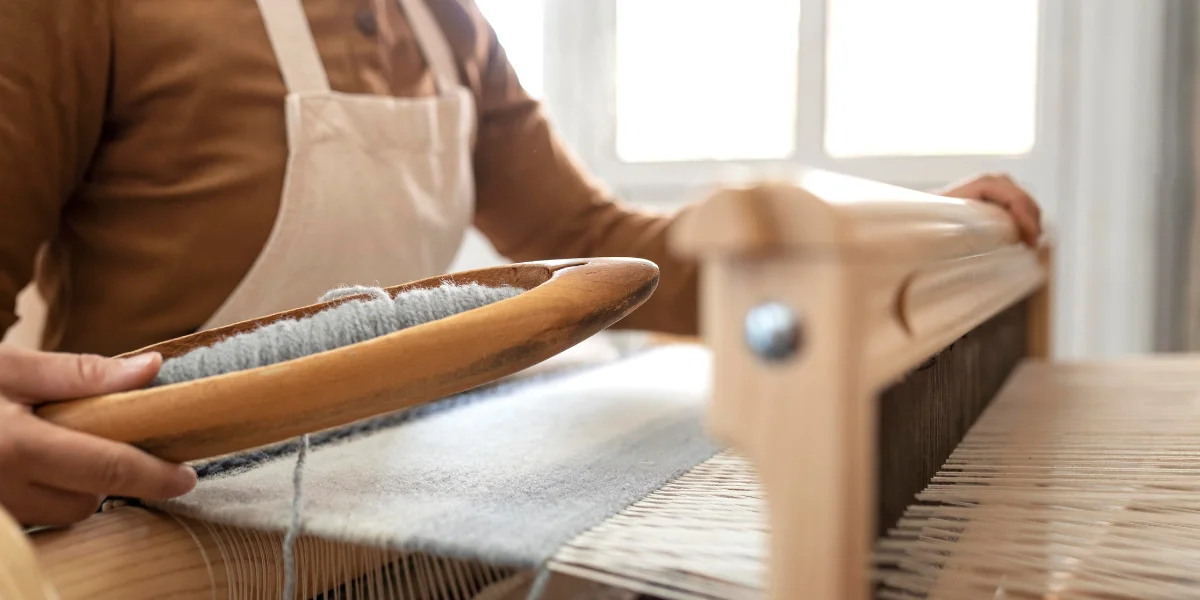
A Handloom Dhoti is distinct from its power-loom counterparts. Every handloom fabric carries the heartbeat of the artisan. The process involves manual interlacing of threads, which results in a cotton dhoti that is much softer and more durable.
1. Handwoven Dhotis:
These pieces feature a unique texture that provides better grip and a superior drape.
These pieces feature a unique texture that provides better grip and a superior drape.
2. Organic Cotton Fabric:
By using organic cotton fabric, we ensure that no harmful chemicals touch your skin, making our organic clothing line perfect for sensitive skin types.
By using organic cotton fabric, we ensure that no harmful chemicals touch your skin, making our organic clothing line perfect for sensitive skin types.
Master the Art of Dhoti Styling
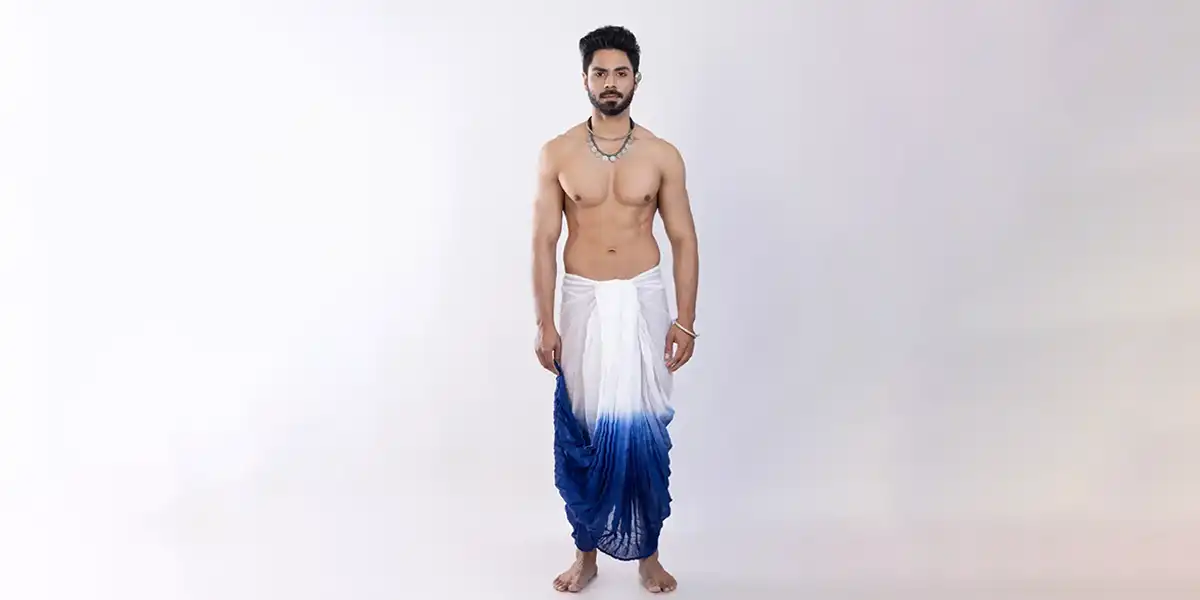
Many modern men are interested in wearing a dhoti but aren’t sure how to pull it off. The secret lies in the dhoti style you choose. Whether it’s the classic Bengali fold or the South Indian Veshti style, the versatility of this garment is unmatched.
The Perfect Dhoti Combination
For a complete ethnic look, the most popular dhoti combination involves pairing the garment with a well-fitted kurta. At Sepia Stories, we offer a matching kurta and dhoti set that takes the guesswork out of dressing up. A dhoti with a kurta ensemble is the epitome of grace for weddings, festivals, and formal gatherings.
Why Buy Sustainable Clothing at Sepia Stories?
When you look for a clothing store online, you should prioritize brands that value the environment. To buy sustainable clothing is to make a choice for the future of our planet. Our dhoti for men collection is crafted with a focus on “Slow Fashion.”
1. Authentic Handwoven Dhotis:
We preserve the integrity of the handloom fabric by working directly with weavers.
We preserve the integrity of the handloom fabric by working directly with weavers.
2. Skin-Friendly:
Our organic clothing uses natural dyes that are free from toxins.
Our organic clothing uses natural dyes that are free from toxins.
3. Modern Convenience:
We have made it easy to find a high-quality handmade dhoti from the comfort of your home.
We have made it easy to find a high-quality handmade dhoti from the comfort of your home.
How to Perfect Your Cotton Handloom Dhoti Styling
If you are new to this, dhoti styling can be enhanced with the right accessories. For a formal look, try a silk angavastram. For a more casual vibe, a cotton handloom dhoti paired with a short shirt works wonders. The key to wearing a dhoti confidently is ensuring the length is adjusted correctly to your height, allowing for ease of movement.
Conclusion: A Timeless Addition to Your Wardrobe
The choice to Buy Organic Handmade Dhotis Online is a statement of intent. It shows you appreciate the history of the dhoti and the hard work involved in creating a traditional dhoti. By choosing a cotton dhoti made from organic cotton fabric, you are choosing health, heritage, and style.
Visit Sepia Stories, your premier clothing store online, to explore our range of clothes for men. Whether you need a dhoti with a kurta for a celebration or a simple cotton material wrap for daily use, we have the perfect piece for you.
Experience the comfort of a Handloom Dhoti today.
FAQ's
To wear a traditional dhoti, start by wrapping the dhoti fabric around your waist, ensuring both ends are equal. Tie a secure knot at the center. Take the left end, pass it between your legs, and tuck it into the back waistline. Finally, pleat the right end neatly and tuck it into the front center. For a more comfortable experience, choose a cotton handloom dhoti from Sepia Stories, as the natural cotton material provides a better grip and easier drape for beginners.
Dhoti pants offer a contemporary twist on the history of dhoti. The best dhoti combination for pants is a short kurta, a slim-fit linen shirt, or a bandhgala jacket. Since dhoti pants have a voluminous silhouette, it is best to keep the top wear structured. For a fusion look, you can also pair them with a waist-length denim or Nehru jacket. Explore Sepia Stories for organic clothing tops that complement the flow of dhoti pants perfectly.
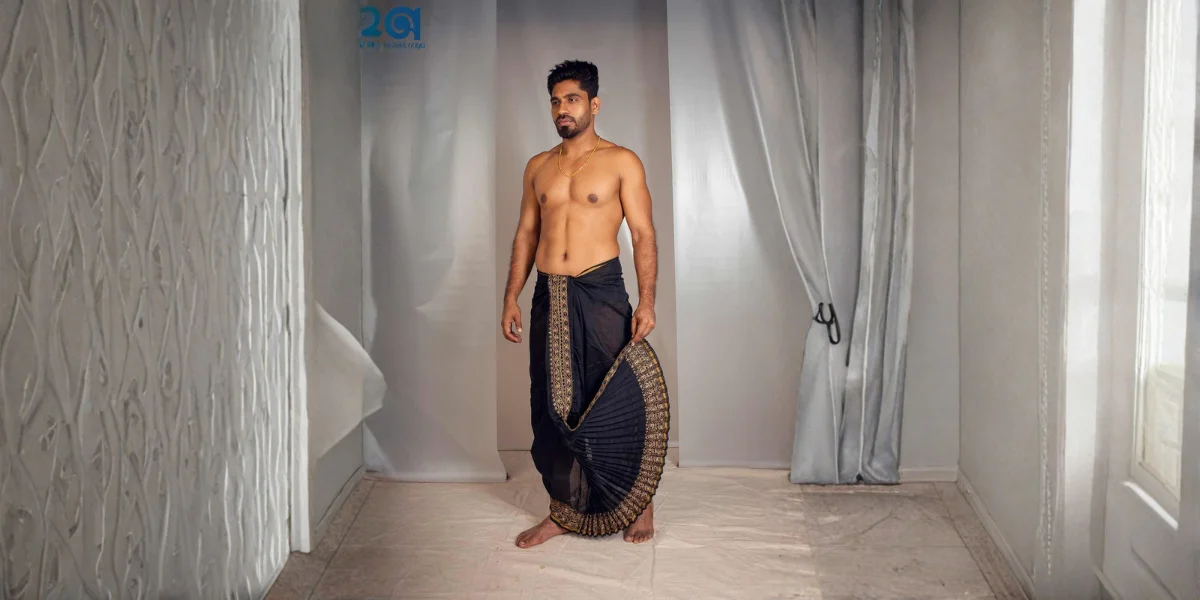
Draping a Handloom Dhoti involves creating precise pleats to ensure a regal look. Hold the handloom fabric horizontally behind you. Bring both ends forward, cross them, and tie a firm knot at the navel. The “Kachcha” style is the most common drape, where the lower edges are pleated and tucked at the back to create a trouser-like effect. Using organic cotton fabric makes draping easier as the fabric holds the pleats firmly without slipping.
There are various ways of dhoti styling based on regional traditions. The Veshti style (South Indian) involves a simple wrap with a gold border (zari) folded in half. The Bengali style features intricate front pleats with a decorative “Kojagari” tuck. The Maharashtrian Dhotar is tucked tightly for mobility. For those seeking versatility, Sepia Stories offers Handwoven Dhotis that are long enough to accommodate any regional draping style you prefer.
The Punjabi style dhoti, often referred to as a Chadra, is draped differently than the standard dhoti for men. It is wrapped loosely around the waist without passing it between the legs, creating a sarong-like appearance that allows for free movement, especially during folk dances like Bhangra. This style is best paired with a long kurta and a matching vest. A cotton handloom dhoti is preferred for this style to maintain the airy, flared look traditional to the Punjab region.
The right footwear is crucial for complete dhoti styling. For a formal or wedding look, Kolhapuri chappals or embroidered Juttis (Mojaris) are the ideal choice. They complement the traditional dhoti aesthetic perfectly. For a more casual or modern dhoti combination, leather sandals or handcrafted slip-ons work well. Avoid sneakers or formal Oxford shoes, as they clash with the fluid lines of the handloom fabric.