



The Timeless Grace: Choosing the Perfect Dhoti for Pooja and Beyond
The Timeless Grace: Choosing the Perfect Dhoti for Pooja and Beyond
For centuries, the dhoti has been more than just a piece of clothing; it is a symbol of purity, humility, and cultural identity. Whether you are preparing for a quiet morning prayer at home or the grand festivities of a public festival, choosing a dhoti for pooja is an act of honoring tradition.
In this guide, we explore the deep-rooted history of dhoti, the various types of dhoti available today, and why choosing sustainable cotton clothing is the best way to connect with your roots.
The History of Dhoti: A Fabric of Civilization
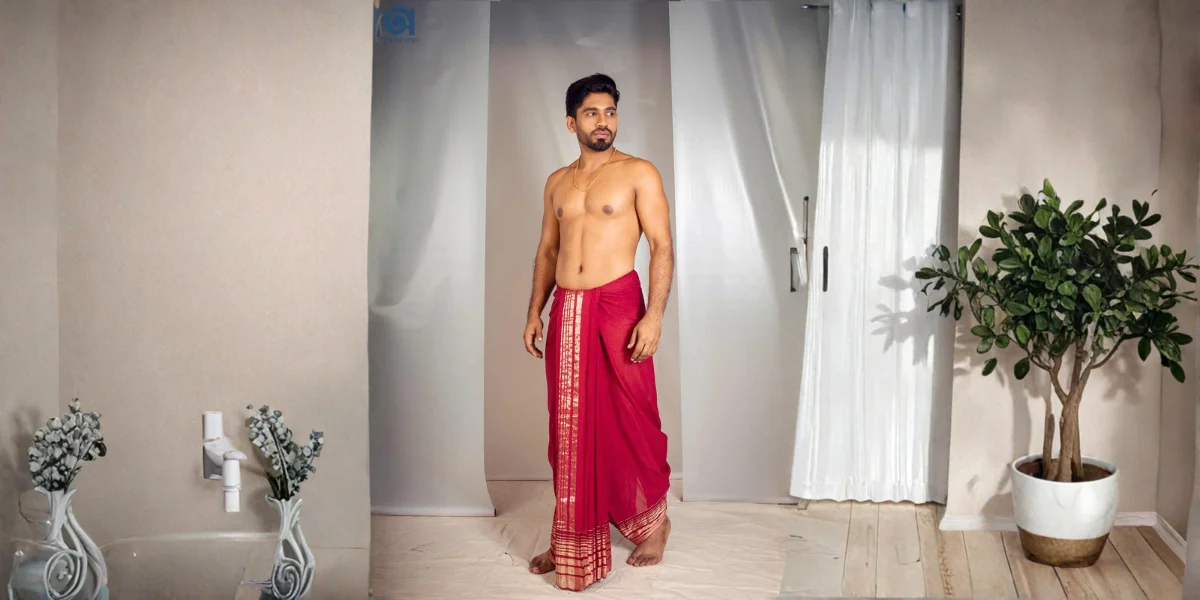
The history of dhoti dates back to the Vedic period. Ancient sculptures and texts depict men wearing unstitched garments wrapped around the waist, symbolizing a life of simplicity and focus. Unlike tailored clothing, a traditional dhoti is a single piece of fabric that allows for maximum breathability and freedom of movement, essential for the long hours spent sitting during religious rituals.
Over time, the handloom industry transformed this simple garment into an art form. From the royal courts of ancient India to the freedom struggle led by Mahatma Gandhi, the cotton handloom dhoti became a mark of self-reliance and national pride.
Why Choose a Handloom Dhoti?
When you buy a handloom dhoti, you aren’t just buying fabric; you are supporting a weaver’s livelihood. The importance of handloom lies in its unique texture and durability. Unlike mass-produced machine fabrics, a handwoven dhoti has a character and “breathability” that makes it ideal for the Indian climate.
Benefits of Organic Cotton Dhoti
In the modern era, organic cotton has become the gold standard for conscious consumers. Selecting an organic cotton dhoti ensures that the cotton fabric is free from harmful chemicals and pesticides. These sustainable cotton clothing options are gentler on the skin, making them the perfect choice for long religious ceremonies.
Understanding Different Types of Dhoti
Before you search for a dhoti online, it is important to understand the various styles and constructions available:
1. Single Dhoti:
Single Dhoti typically 4 yards (approx. 3.6 meters) long, perfect for casual wear or quick visits to the temple.
2. Double Layer Dhoti:
Double Layer Dhoti measuring about 8 yards (approx. 7.3 meters), this is the standard choice for formal occasions and weddings, offering better opacity and a more majestic drape.
3. Printed Dhoti:
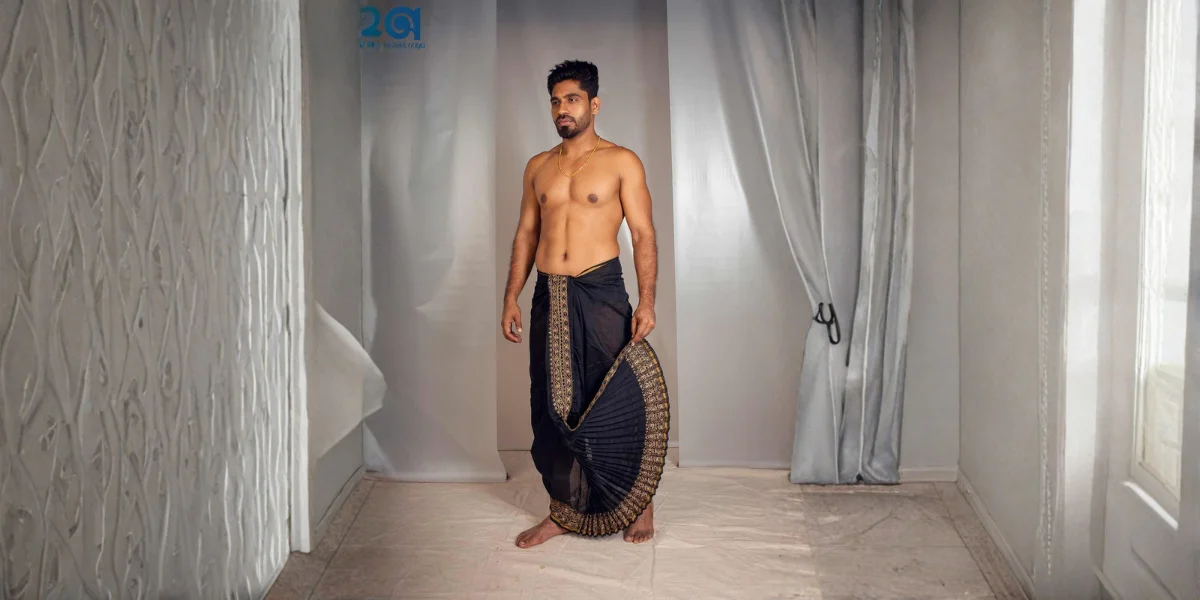
Printed Dhoti features traditional motifs like temple borders, floral patterns, or geometric shapes, adding a contemporary touch to the classic look.
4. Stitched Dhoti:
For those who find draping difficult, a stitched dhoti provides the look of a traditional wrap with the ease of a pair of trousers.
5. Pure Cotton Dhoti:
The most versatile option, known for being lightweight and easy to manage.
The Essentials: Size and Fabric
When shopping, pay close attention to the dhoti fabric. While silk is popular for weddings, a pure cotton dhoti is the preferred choice for daily prayers and festive rituals.
Dhoti Size in Meters
The standard size of a dhoti in meters usually falls into two categories:
1. 4-Meter Dhoti (Single):
Best for a simple wrap.
2. 8-Meter Dhoti (Double):
The classic length for the “Pancha” style drape.
Knowing the dhoti size in meters before purchasing ensures that you have enough fabric to achieve your desired dhoti style, whether it is the Bengali style for Durga Puja or the classic South Indian Veshti.
Dhoti for Special Occasions
Religious festivals call for specific attire. Wearing a dhoti for pooja helps create a focused, spiritual environment.
Dhoti for Durga Puja
In Eastern India, the dhoti for Durga Puja is often a white cotton handloom dhoti with a vibrant red border. It is traditionally paired with a matching kurta and dhoti set to complete the look for Ashtami Anjali.
Dhoti Kurta for Chhath Puja
For the rigorous rituals of Chhath, a dhoti kurta for Chhath puja made of organic cotton is preferred. The purity of the cotton fabric is considered essential for the sanctity of the festival.
Dhoti for Pandit
A dhoti for pandit is usually a pure cotton dhoti in shades of white, cream, or saffron. These colors represent purity and detachment from worldly distractions.
Styling Your Traditional Look
The dhoti style you choose can completely change your silhouette. You can opt for:
1. The Classic Wrap:
Simple and elegant.
2. The Pleated Drape:
Popular in North and West India, often paired with a long kurta.
3. Dhoti with Kurta:
A dhoti with kurta combination is the ultimate ethnic ensemble for men. Ensure your kurta length complements the volume of your dhoti.
The Benefits of Wearing Dhoti
Beyond tradition, there are practical benefits of wearing a dhoti:
1. Air Circulation:
The loose fit prevents heat retention, keeping the body cool.
2. Ease of Movement:
Perfect for sitting in cross-legged positions (Asanas) during prayer.
3. Eco-Friendly:
Most handwoven dhotis are biodegradable and have a low carbon footprint.
Buying Dhoti Online: What to Look For
Shopping for dhotis for men online has never been easier, but you must be discerning. Look for descriptions that specify handloom dhoti or organic cotton dhoti to ensure quality. Verify the dhoti size in meters in the product specifications to avoid any surprises when the package arrives.
Pro Tip:
If you are a beginner, start with a single dhoti in pure cotton. It is easier to handle and stays in place longer during long events.
Conclusion: Embrace the Tradition
The dhoti is more than just an ancient garment; it is a testament to India’s rich textile heritage. By choosing a dhoti for pooja, you are participating in a legacy of craftsmanship and spirituality. Whether it’s a printed dhoti for a family gathering or a double layer dhoti for a wedding, the comfort and elegance of this garment are unmatched.
Invest in the handloom industry, choose sustainable cotton clothing, and wear your culture with pride.
FAQ's
When deciding what to wear with dhoti, the most classic pairing is a matching kurta and dhoti. For a formal religious look, choose a knee-length or long kurta in cotton fabric. For a more traditional or South Indian style, you can wear a Veshti with an Angavastram (a shoulder cloth). If you are attending a semi-formal event, a printed dhoti can even be paired with a short ethnic shirt or a bandhgala jacket for a modern dhoti style.
To wear a dhoti for pooja, start with a pure cotton dhoti to ensure comfort during rituals. Wrap the dhoti fabric around your waist, ensuring the ends are even. For the classic “Pancha” style, take the inner edge between your legs and tuck it at the back, then pleat the outer fabric and tuck it securely at the front center. Using a handloom dhoti makes the process easier as the natural grip of organic cotton prevents the pleats from slipping.
The traditional way to wear a dhoti for Durga Puja is the Bengali style. This involves creating a large set of pleats in the front, known as the Koycha, which is then held in the hand or tucked gracefully. For the best look during Anjali, choose a white cotton handloom dhoti with a vibrant border. Pair this dhoti with kurta in silk or high-quality cotton to match the festive energy of the pandal.
When selecting a dhoti kurta for chhath puja, priority should be given to purity and ease of movement for the Arghya (offering water). Most devotees wear a single dhoti or a pure cotton dhoti in shades of yellow or white. The drape should be simple and secure typically the “Veshti” wrap style to allow for comfortable standing in water. Choosing sustainable cotton clothing is highly recommended for the eco-conscious nature of this festival.
If you are worried about how to tie dhoti for pooja so it doesn’t come loose, the secret lies in the first knot. Ensure the initial wrap around your waist is firm. For beginners, a stitched dhoti is a great alternative, but for a traditional dhoti, using a small cotton belt or a string (kardhani) underneath the tucks can provide extra security. Always check that your dhoti size in meters is appropriate for your height to avoid tripping on excess fabric.