



The Ultimate Guide: How to Wear a Dhoti for Men (Step-by-Step)
The Ultimate Guide: How to Wear a Dhoti for Men (Step-by-Step)
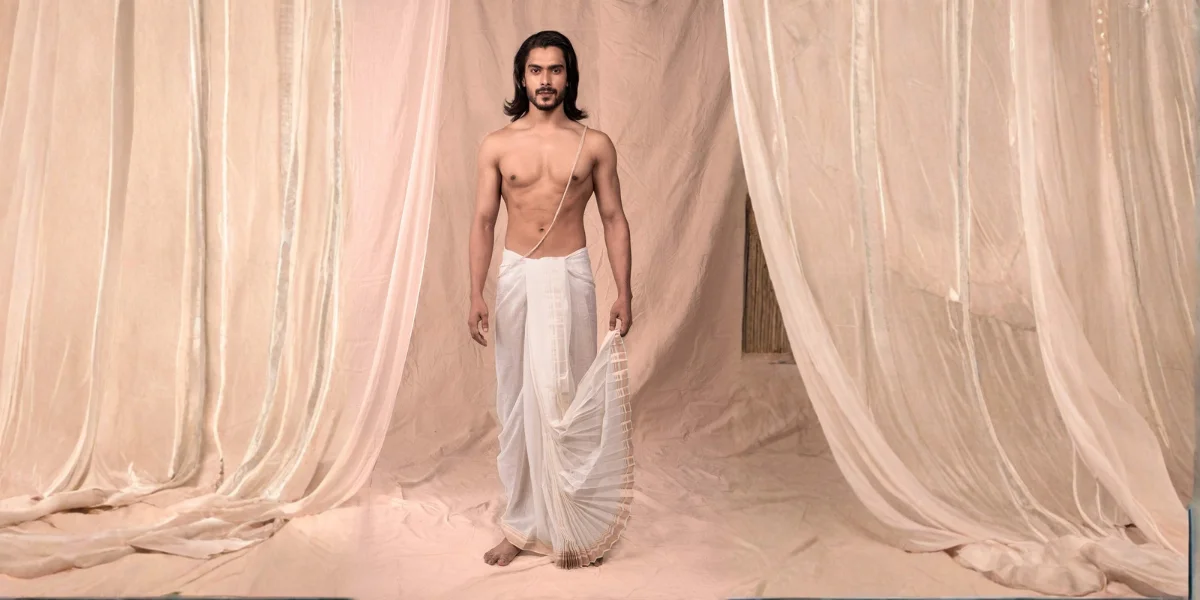
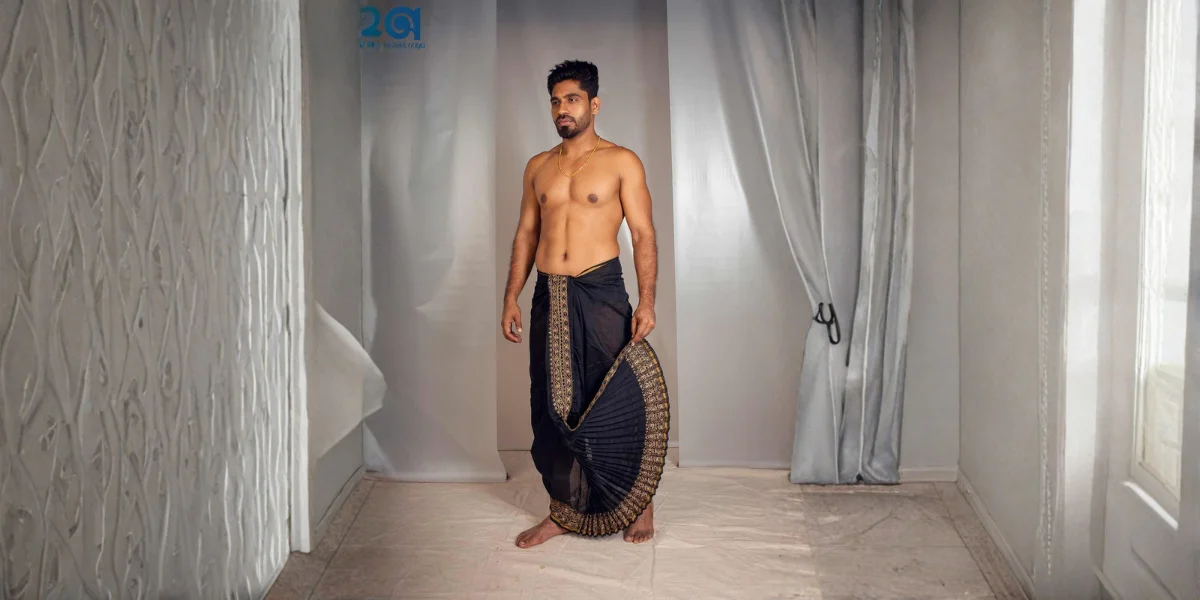
The dhoti is more than just a piece of cloth; it is a symbol of heritage, elegance, and cultural pride across the Indian subcontinent. Whether you are attending a wedding, a religious ceremony, or a formal event, knowing how to wear a dhoti for men is a skill that blends tradition with personal style.
Wearing a dhoti is an art form that connects modern men to their cultural roots. While it might seem complex at first, mastering the correct dhoti style for men is essentially about balance and tension. Whether you are prepping for a wedding or a festival, understanding the various dhoti wearing styles ensures you look sharp and feel secure throughout the day.
What is a Dhoti?
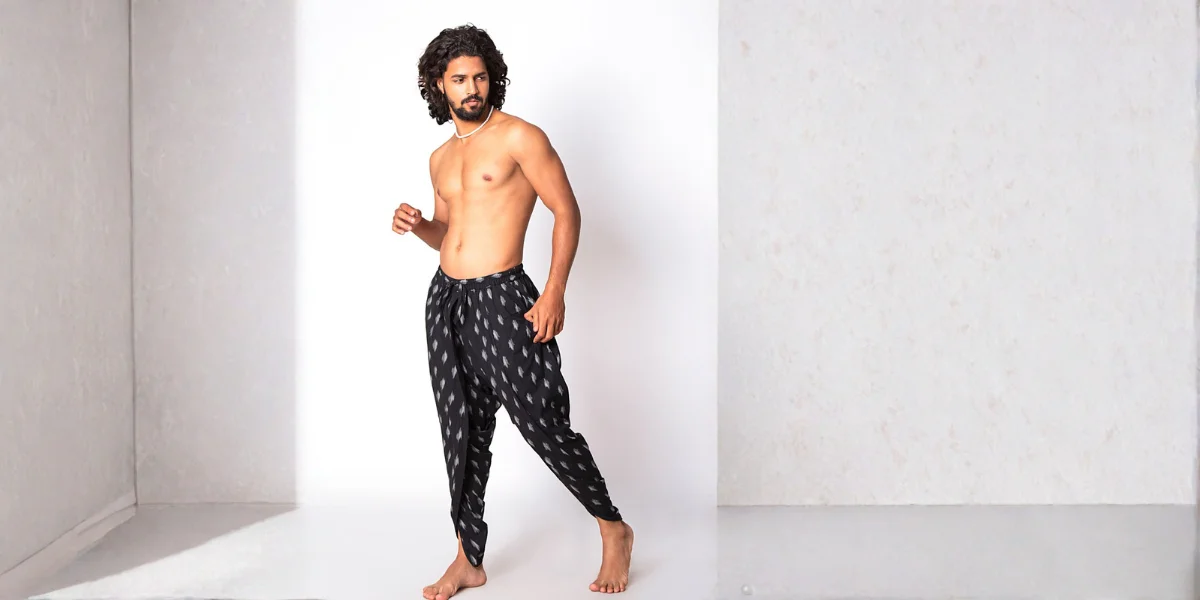
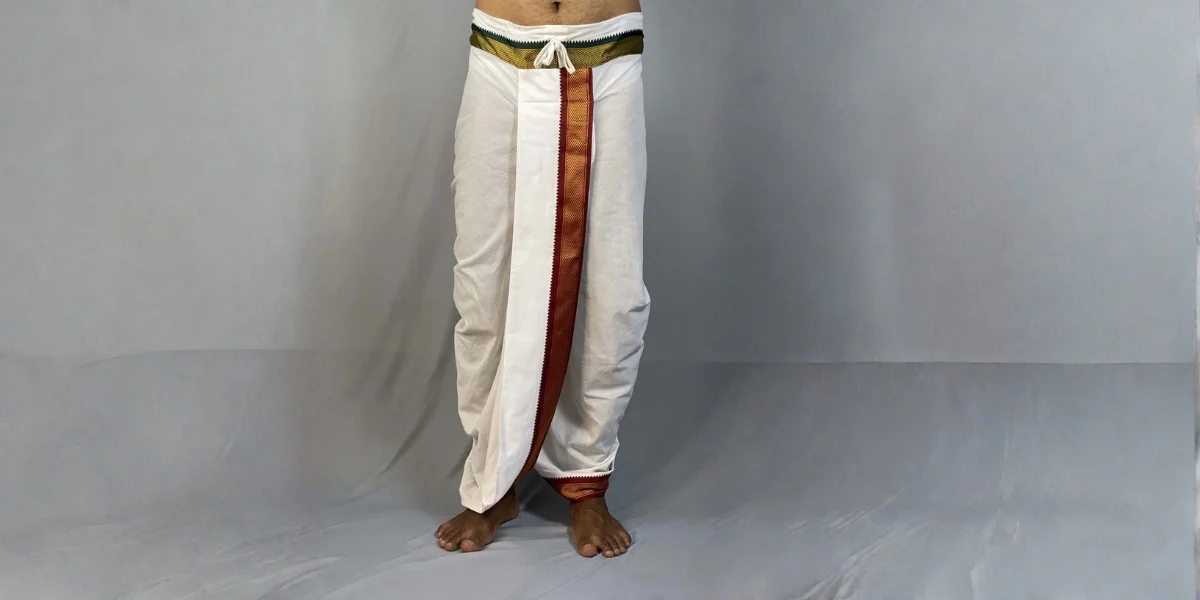
A dhoti is a traditional unstitched garment, typically 4.5 to 5 meters long, wrapped around the waist and legs. Depending on the region, it is known by different names such as Veshti (Tamil Nadu), Mundu (Kerala), or Dhotar (Maharashtra).
How to Wear a Dhoti for Men: A Step-by-Step Guide
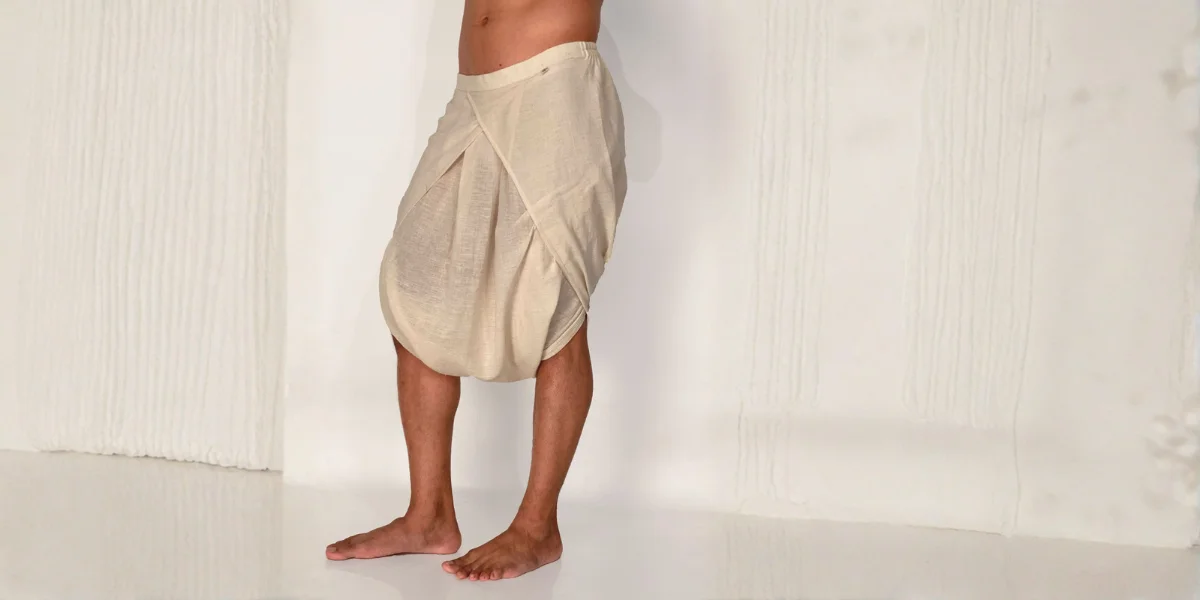
Before you begin, it is important to choose the right fabric. Cotton is the best choice for beginners wearing a dhoti for the first time, as it offers a better grip than slippery silk. There are dozens of dhoti draping styles across India from the pleated Bengali look to the functional Maharashtrian style but they all start with a solid foundation at the waist.
If you are looking for the most common and secure way to wear a dhoti (the bifurcated style), follow these steps:
1. Preparation and Positioning
1. The Fabric:
Use a cotton or silk dhoti. Ensure it is ironed to make pleating easier.
2. The Center Point:
Hold the dhoti behind you at waist level. Position it so that the fabric is divided equally (or with a slightly longer section on your right side).
3. The First Tie:
Bring both ends to the front. Cross them over and tie a firm knot at your navel. Ensure it is snug but comfortable.
2. Draping the Left Side (The Back Pleats)
1. Take the loose end of the fabric on your left side.
2. Fold it into neat pleats (about 2-3 inches wide).
3. Pass the pleated section between your legs from front to back.
4. Tuck the pleats firmly into the center-back of your waistband. This creates the trouser-like appearance.
3. Draping the Right Side (The Front Pleats)
1. Take the remaining fabric on your right side.
2. Create pleats similar to the left side.
3. Instead of passing it through your legs, gather these pleats neatly in front of you.
4. Tuck the pleated bundle into the front waistband at the navel.
4. Final Adjustments
1. Adjust the height so the dhoti grazes your ankles.
2. Smooth out the folds to ensure the fabric hangs straight.
Pro Tip:
For extra security, many men wear a thin belt or a “Dhoti Ottiyanam” underneath or over the folds to keep everything in place.
Popular Dhoti Styles For Men Across India
Depending on the occasion, you might want to switch up your look. Here is a quick guide to different dhoti wearing styles:
Style Name | Region | Description |
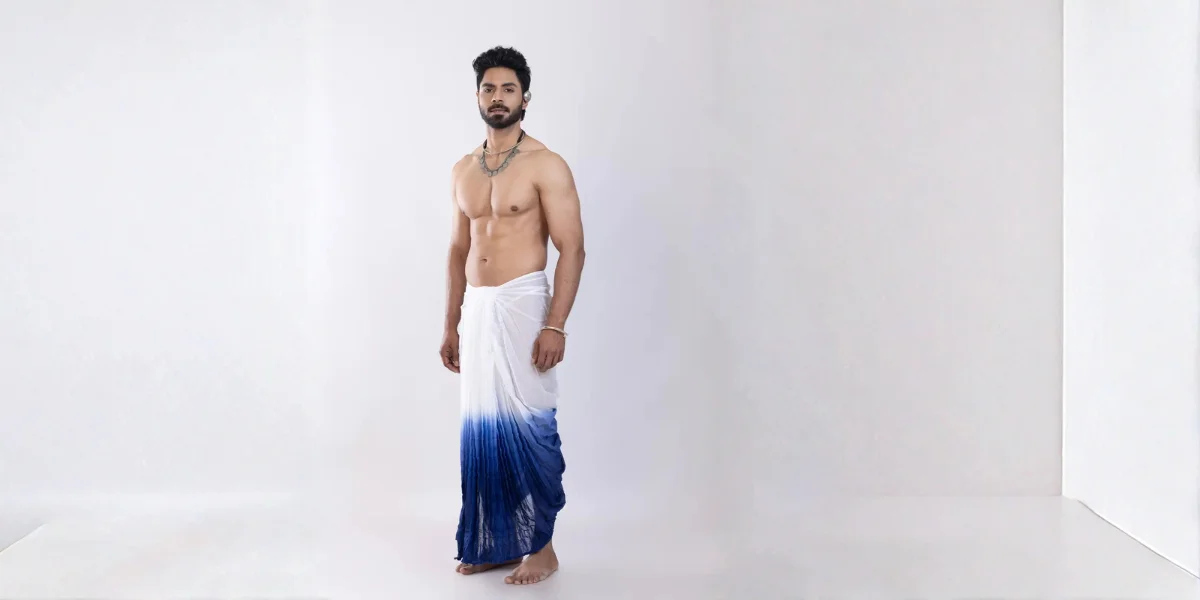
Veshti / Mundu | South India | A simple wrap style, often worn doubled up (folded in half) for ease of movement. |
Bengali Style | West Bengal | Known for its elaborate front pleats and the decorative "Kunchi" that is held in the hand or tucked. |
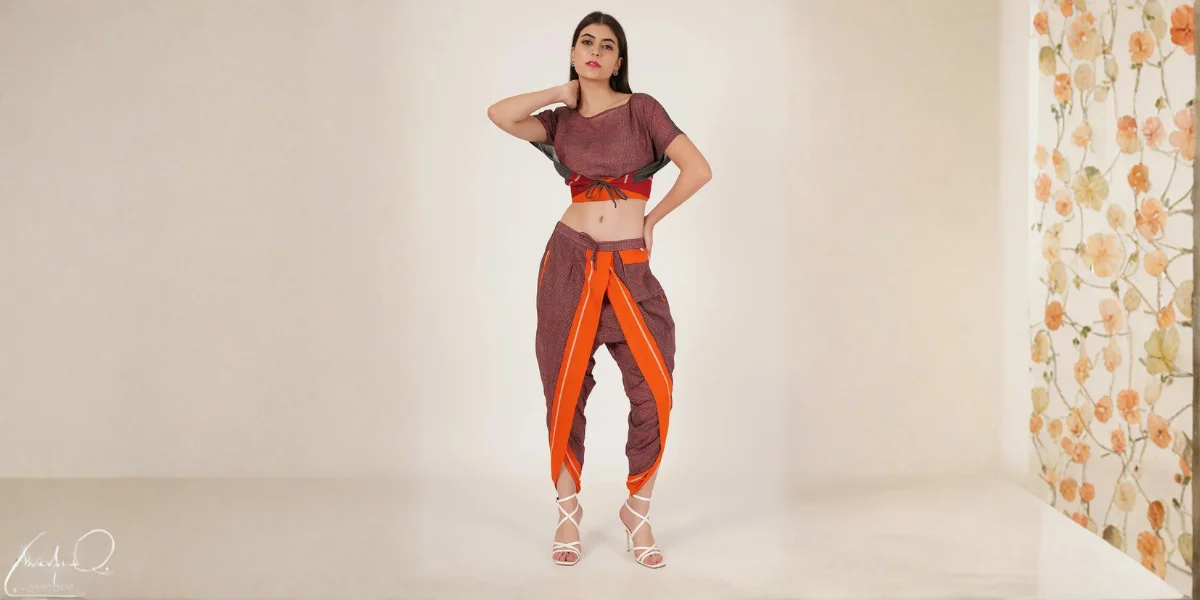
Maharashtrian | Maharashtra | A secure, dhoti-pant style that allows for high mobility, often worn during festivals. |
Essential Tips for Beginners for Wearing a Dhoti
If this is your first time wearing a dhoti, keep these pointers in mind to avoid wardrobe malfunctions:
1. Wear Undergarments:
Always wear comfortable trunks or gym shorts underneath. This provides a base to tuck the fabric into and ensures modesty.
2. Mind the Length:
Ensure the dhoti isn’t so long that you trip over it. The ideal length is just above the floor.
3. Fabric Choice:
If you’re a beginner, start with Cotton. Silk is slippery and much harder to keep in place without experience.
4. The “Double” Trick:
In South Indian styles, the dhoti is often folded in half horizontally before wrapping. This makes it knee-length and much easier to walk in.
How to Style Your Dhoti
A dhoti is only half the outfit. To complete the look, consider these pairings:
The Classic Kurta
A long or short kurta is the most common companion. For weddings, opt for a “Sherwani” style kurta with heavy embroidery. For casual religious events, a simple white linen kurta works wonders.
The Angavastram (Stole)
To elevate the look to “Groom” status, drape an Angavastram over one shoulder. This should ideally match the border (Zari) of your dhoti.
Footwear
Traditional Dhotis look best with traditional Indian footwear.
1. Kolhapuri Chappals:
Best for a rugged, traditional look.
2. Juttis or Mojaris:
Best for formal weddings and festive occasions.
3. Avoid:
Sneakers or formal Oxford shoes, as they clash with the traditional silhouette.
Why Wear a Dhoti Today?
Beyond tradition, dhotis are incredibly functional. They are designed for the Indian climate offering maximum ventilation and comfort in heat. Modern fashion has also embraced the Dhoti Pant, which provides the look of a dhoti with the ease of a pre-stitched trouser. However, nothing beats the grace of a hand-draped original.
Conclusion
Mastering how to wear a dhoti for men is a rite of passage for many. It might take two or three tries to get the pleats perfectly symmetrical, but the result is a timeless, sophisticated look that commands respect.
FAQ's
Dhotis are draped based on regional tradition. The Panchakacham (South Indian) involves five tucks for formal events, while the Bengali style features a prominent front pleat. The Marathi style is draped like trousers for mobility, and the Mundu (Kerala) is a simple, elegant wrap around the waist.
Yes. When made from premium fabrics like silk and paired with a Kurta, Bandhgala, or Angavastram, the dhoti is considered prestigious formal attire for weddings, festivals, and high-profile cultural ceremonies.
The dhoti is a vital symbol of Indian heritage and textile art. It represents a “body-positive” design that fits all sizes and supports the traditional handloom industry, making it both a cultural icon and a sustainable fashion choice.
Silk dhotis with gold borders are best for weddings and rituals, while pure cotton dhotis are the best choice for daily wear due to their breathability and comfort. For modern convenience, readymade dhotis with Velcro waistbands are popular for beginners.
The main types include the Veshti (South Indian cotton), Pattu Dhoti (formal silk), Pitambar (yellow silk for rituals), and Lungi/Mundu (casual wraps). These vary primarily by fabric quality, border designs, and regional draping techniques.