Ikat. It’s a word that evokes images of richly patterned textiles, often vibrant and with a characteristic blurred edge. But beyond its aesthetic appeal lies a fascinating and complex technique – a testament to the skill and ingenuity of artisans who have mastered the art of resist-dyeing yarns before weaving. This post isn’t about the history or cultural significance of Ikat (though those are compelling stories!), but about the
how – the intricate ikat weaving process that transforms simple threads into stunning works of art, resulting in exquisite
ikat fabrics.
The fundamental principle of the ikat technique is resist-dyeing, but unlike tie-dye or batik, where the fabric is treated after weaving, Ikat applies the resist to the yarns before they are placed on the loom. This crucial difference dictates the entire process and results in the distinctive aesthetic we associate with ikat design.
The process begins with meticulously selecting and preparing the yarn. The type of yarn used (cotton, silk, wool, etc.) will influence the dye uptake and the final appearance of the fabric. Once the yarn is chosen, it is wound into bundles, carefully arranged to facilitate the binding process.
The heart of the ikat process lies in the binding process. This is where the pattern is meticulously “drawn” onto the yarn using a resist material. Traditionally, natural fibers like raffia palm, banana leaves, or cotton strips are used for binding. These materials are tightly wrapped around sections of the yarn, compressing the fibers and preventing the dye from penetrating those areas. The precision here will define the clarity of the ikat prints achieved.
The precision of the binding determines the clarity and complexity of the final design. Artisans often use a sharp knife or other tool to create clean edges and intricate patterns. The tightness of the binding is also crucial; too loose, and dye will seep under the resist, blurring the design. Too tight, and the yarn may be damaged.
For complex, multi-colored designs, the binding process is repeated multiple times. After each dyeing stage, new sections of the yarn are bound, and a different color is applied. This requires careful planning and precise execution to ensure that the colors align correctly in the final woven fabric. The order in which the dyes are applied is also critical, as it can affect the final color combinations. The ikat motifs are essentially built up layer by layer during this stage.
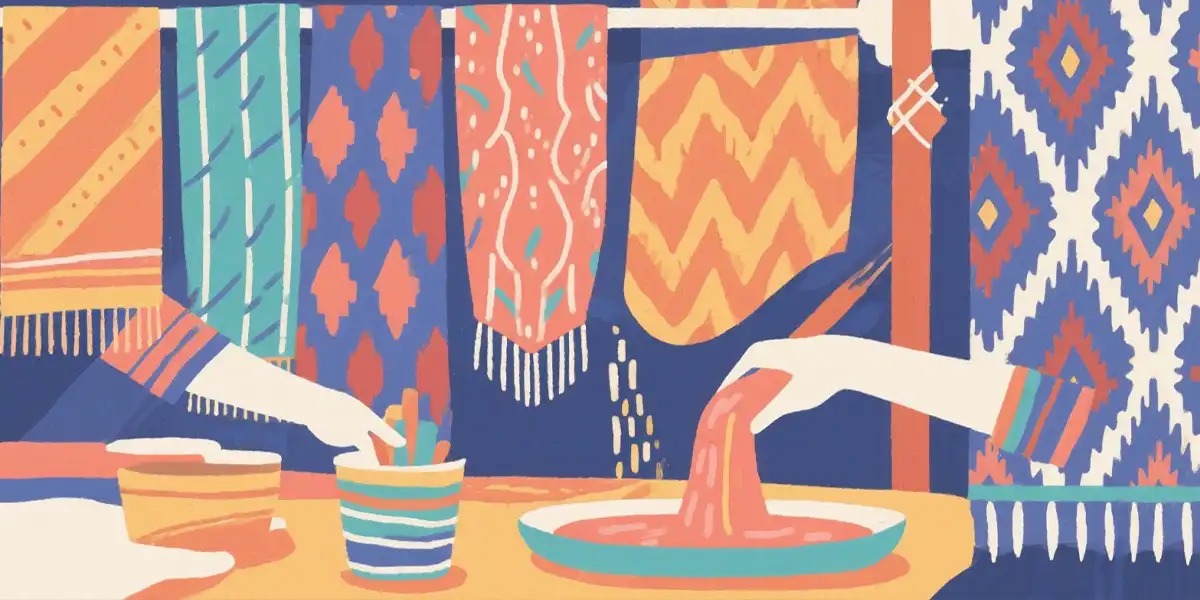
Once the binding is complete, the yarn is ready for dyeing. The choice of dyes – natural or synthetic – will significantly impact the color palette and the environmental impact of the process.
• Natural Dyes:
Traditionally, ikat origin stories often highlight the use of natural dyes derived from plants, insects, and minerals. These dyes often produce rich, earthy colors, but they can also be more challenging to work with than synthetic dyes. Natural dyes require careful preparation and mordanting (the process of fixing the dye to the fiber), and the colors may be less consistent than synthetic dyes.
• Synthetic Dyes:
Modern Ikat production often utilizes synthetic dyes, which offer a wider range of colors, greater consistency, and improved lightfastness. However, the use of synthetic dyes can raise environmental concerns, as some dyes contain harmful chemicals.
The dyeing process itself involves immersing the bound yarn in a dye bath. The duration of the immersion, the temperature of the dye bath, and the concentration of the dye all affect the intensity of the color. After dyeing, the yarn is rinsed thoroughly and allowed to dry completely before the bindings are removed.
Once the dyeing is complete and the bindings are removed, the magic of Ikat begins to reveal itself. The previously hidden pattern is now visible on the threads, a testament to the meticulous planning and skillful execution of the artisan.
However, the process is far from over. The dyed threads must now be carefully aligned on the loom. This is a critical step, as the alignment of the threads directly impacts the final appearance of the woven fabric.
As mentioned previously, Ikat can be classified based on which threads are dyed: warp, weft, or both. Each type presents its own unique technical challenges. These distinctions define the types of ikat you’ll encounter.
• Warp Ikat:
In Warp Ikat, the dyed warp threads are aligned on the loom, while the weft threads are typically a solid color. This is generally considered the simpler of the three techniques, as the warp threads are under tension, making them easier to control. However, achieving a clear and precise design still requires careful attention to detail. The weaver must constantly monitor the alignment of the warp threads and make adjustments as needed.
• Weft Ikat:
Weft Ikat is more challenging than warp Ikat because the weft threads are not under tension. The weaver must carefully align each pass of the weft to ensure that the pattern is correctly formed. This requires a high level of skill and concentration. Weft Ikat often allows for more fluid and dynamic designs than warp Ikat.
• Double Ikat:
Double Ikat is the pinnacle of Ikat weaving, requiring the dyeing and precise alignment of both warp and weft threads. This is an incredibly complex and time-consuming process, demanding exceptional skill and experience. The patterns in double Ikat are typically geometric and symmetrical, reflecting the intricate planning required to create them. Achieving perfect alignment in double Ikat is nearly impossible, which is part of its unique charm. The slight imperfections and blurring add to the textile’s character and beauty. The ikat weaving process reaches its most demanding stage with this type.
The type of loom used in Ikat weaving can vary depending on the region and the type of fabric being produced. Simple backstrap looms are common in some areas, while more complex frame looms are used in others. Regardless of the type of loom, the weaver plays a crucial role in bringing the Ikat design to life.
The weaver must carefully control the tension of the threads, the spacing of the weft, and the overall rhythm of the weaving process. Small adjustments are made constantly to ensure that the pattern is accurately formed and the fabric is of high quality. This detailed work is what transforms dyed threads into a tangible piece of ikat in India or anywhere else the tradition thrives.
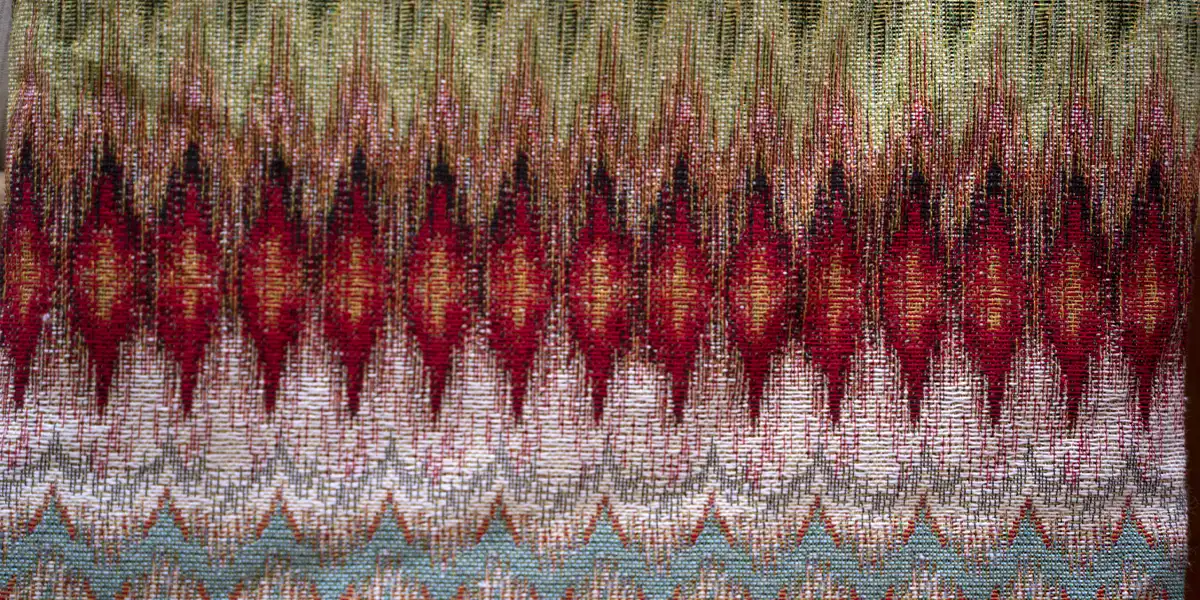
One of the most distinctive characteristics of Ikat is the slight blurring that occurs in the design. This “blur” is not a flaw but rather an inherent part of the process. It is caused by the slight misalignments of the dyed threads during weaving.
This intentional “imperfection” is what gives Ikat its unique character and charm. It adds a sense of movement and depth to the fabric, creating a soft, almost dreamlike quality.
Ikat production faces several challenges, including:
• Time Consumption:
Ikat is a labor-intensive process, requiring significant time and skill at each stage.
• Skill Requirements:
Mastering the Ikat technique requires years of training and experience.
• Material Costs:
High-quality yarns and dyes can be expensive, making Ikat fabrics relatively costly.
Despite these challenges, Ikat artisans continue to innovate and adapt. Some are experimenting with new materials and dyes, while others are using technology to streamline certain aspects of the process. For example, some artisans are using computer-aided design (CAD) software to create intricate Ikat patterns.
The Ikat technique is a valuable part of our global cultural heritage. By understanding the complexities of the process and appreciating the skill of the artisans who create these beautiful textiles, we can help ensure that this tradition continues to thrive for generations to come. Supporting fair trade practices and seeking out ethically sourced Ikat fabrics are important steps in preserving this legacy.
From the selection of the yarn to the final finishing touches, every step in the Ikat process is a testament to human ingenuity and artistic expression. It is a reminder that true beauty lies not in perfection, but in the unique character and inherent imperfections that make each piece a work of art.