Muslin Cotton Fabric

Muslin cotton fabric is a legendary textile known for its plain-weave structure and remarkable breathability. As a lightweight cotton muslin fabric, it offers unmatched versatility for both fashion and home use. When sourcing from reputable muslin cotton fabric manufacturers, you ensure the material is made from pure muslin cotton fabric that is free from synthetic fillers. Whether you are looking for organic cotton muslin fabric by the yard or finished goods, this fabric remains a sustainable, eco-friendly staple.

Handwoven Muslin

Handwoven muslin represents the pinnacle of textile artistry, where every muslin fabric yarn is meticulously interlaced by skilled weavers. Unlike machine-made alternatives, hand-loomed muslin possesses a unique texture and superior airflow that defines high muslin fabric quality. Historically known as “woven air,” this pure muslin cotton fabric is favored by luxury designers who prioritize heritage. By choosing hand-spun options, you support traditional artisans while enjoying a lightweight cotton muslin fabric that feels incredibly soft against the skin.

Cotton Muslin Fabric Clothes

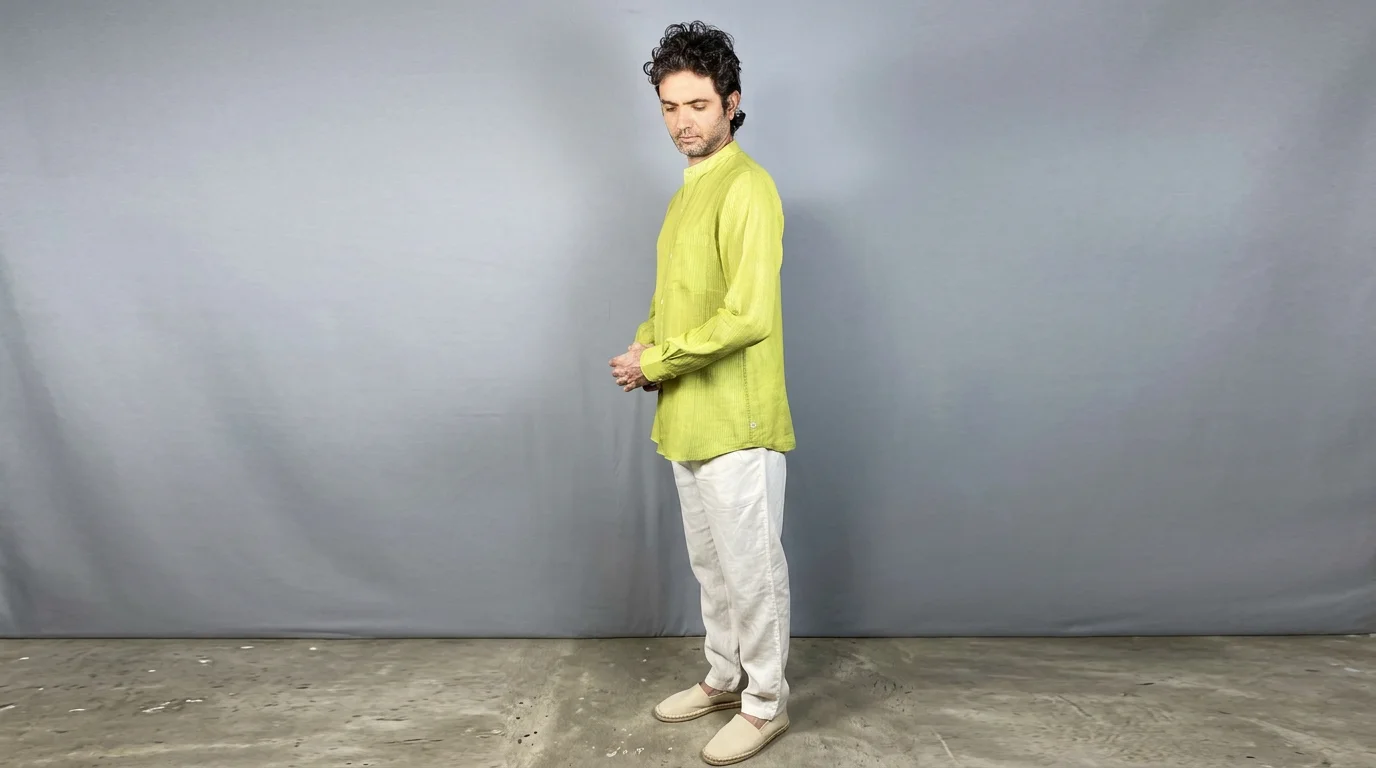
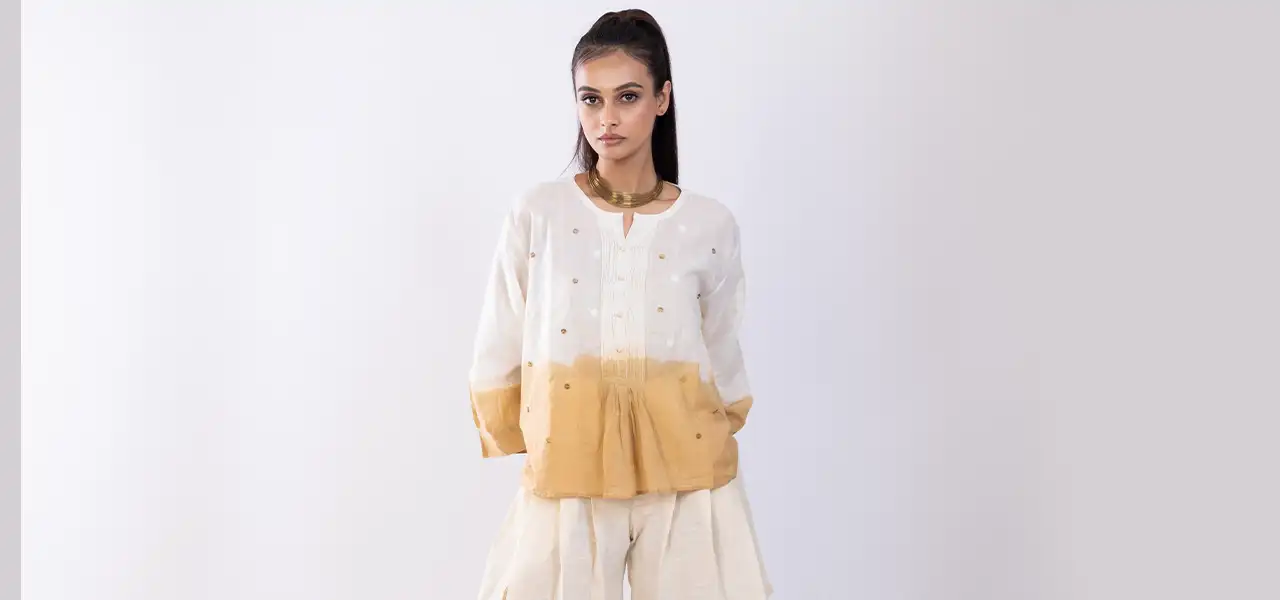
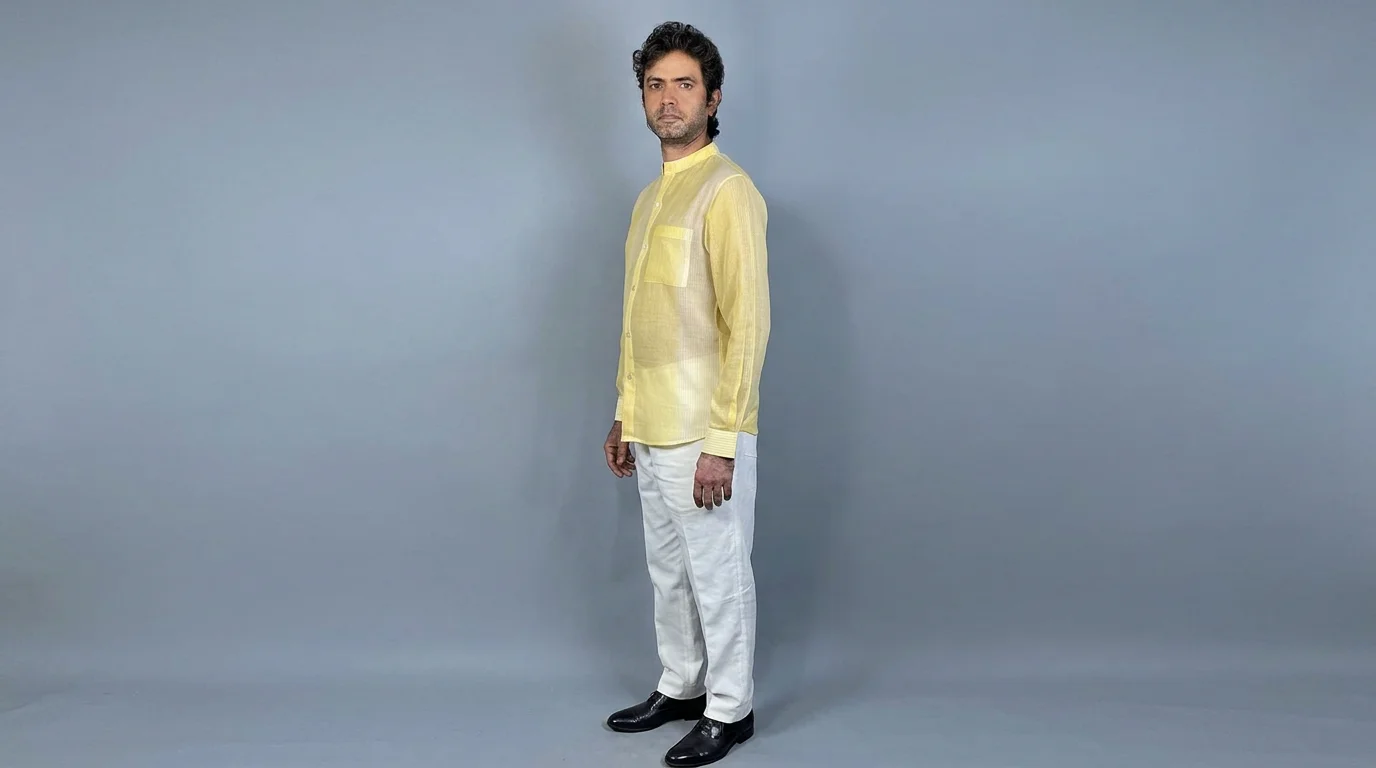
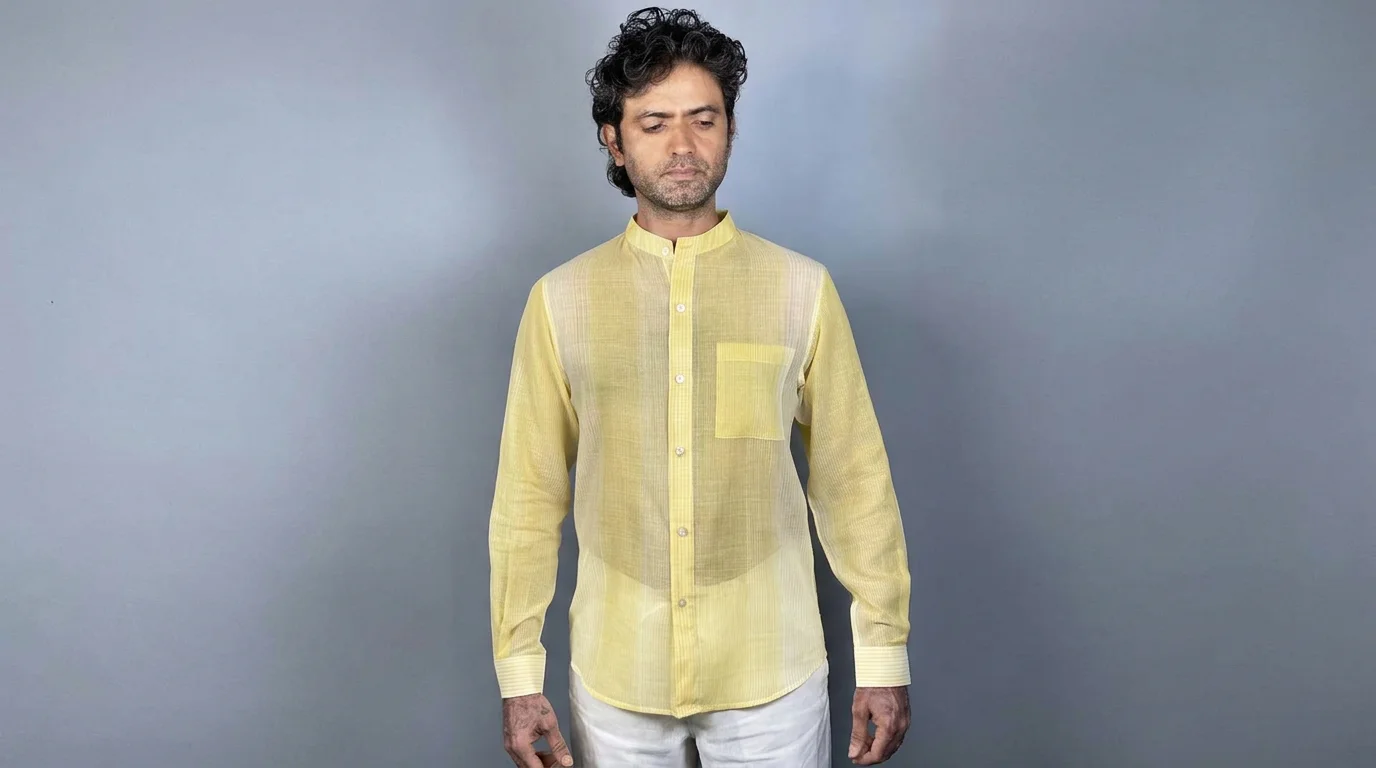
Modern fashion has seen a massive surge in cotton muslin fabric clothes due to their effortless drape and hypoallergenic properties. These garments, often made from organic cotton muslin fabric, are perfect for sensitive skin and hot climates. Because muslin cotton fabric is naturally moisture-wicking, it keeps the wearer cool and comfortable. From flowy summer dresses to relaxed tunics, cotton muslin fabric clothes offer a minimalist aesthetic that combines the durability of muslin with the elegance of high-end boutique apparel.

Muslin Fabric Quality

To determine muslin fabric quality, one must look closely at the muslin fabric yarn and the density of the weave. High-quality muslin cotton fabric features a consistent thread count that balances delicacy with strength. Leading muslin cotton fabric manufacturers focus on removing impurities during the spinning process to create a pure muslin cotton fabric that doesn’t pill. Whether you are inspecting handwoven muslin or a lightweight cotton muslin fabric, the softness and “hand-feel” are the best indicators of superior textile standards.

Uses of Muslin Fabric

The uses of muslin fabric extend far beyond the fashion runway into nurseries, kitchens, and professional design studios. In the culinary world, muslin is essential for straining, while in the nursery, pure muslin cotton fabric is the top choice for safe baby swaddles. Designers rely on cotton muslin fabric for creating garment prototypes or “toiles.” Additionally, its breathable nature makes it ideal for home upholstery and eco-friendly filtration, proving that muslin cotton fabric is truly a multi-purpose essential.

Cotton Muslin Fabric by the Yard

Buying cotton muslin fabric by the yard is the most cost-effective way for crafters and designers to access high-quality material for custom projects. When you purchase organic cotton muslin fabric by the yard, you have the freedom to create everything from bespoke cotton muslin fabric clothes to sustainable home linens. Always check the specifications from muslin cotton fabric manufacturers to ensure the width and weight of the muslin meet your specific needs for sewing, draping, or interior decorating.
Muslin Cotton Fabric, Handwoven Muslin, Cotton Muslin Fabric Clothes, Muslin Fabric Quality, Uses of Muslin Fabric, Cotton Muslin Fabric by The Yard

What is Muslin? Exploring Pure, Organic & Handwoven Cotton Muslin Fabric

What is Muslin? Exploring Pure, Organic & Handwoven Cotton Muslin Fabric

In the world of textiles, few materials carry as much history, versatility, and sheer comfort as muslin. Often described as “woven air,” this ancient muslin cotton fabric has transitioned from the royal courts of the Mughal Empire to the modern-day nursery and high-fashion runways.

But what exactly is it, and why is there such a massive resurgence in the demand for pure muslin cotton fabric and handwoven muslin? Let’s pull back the curtain on this legendary textile.

What is Muslin Fabric?

Muslin Cotton Fabric, Handwoven Muslin, Cotton Muslin Fabric Clothes, Muslin Fabric Quality, Uses of Muslin Fabric, Cotton Muslin Fabric by The Yard

At its core, muslin is a plain-weave cotton fabric. It is made using a simple “one under, one over” weaving pattern, which results in a lightweight cotton muslin fabric that is as durable as it is airy.

While you might find synthetic blends labeled as such today, true cotton muslin fabric is made from 100% natural fibers. Its beauty lies in its simplicity: it is unpretentious, incredibly soft on the skin, and becomes even softer with every wash.

The Anatomy of Quality: Pure, Organic & Handwoven

Muslin Cotton Fabric, Handwoven Muslin, Cotton Muslin Fabric Clothes, Muslin Fabric Quality, Uses of Muslin Fabric, Cotton Muslin Fabric by The Yard

Not all products are created equal. To understand why muslin fabric quality varies so drastically from budget-friendly rolls to luxury textiles we have to look at the production methods and the muslin fabric yarn used.

1. Pure Muslin Cotton Fabric

“Pure” refers to the composition. Many mass-produced fabrics are “poly-cottons” (a mix of polyester and cotton). Pure varieties are 100% natural fiber. This is crucial for breathability and hypoallergenic properties, making it the gold standard for baby products.

2. Organic Cotton Muslin Fabric by the Yard

For DIY enthusiasts and sustainable designers, sourcing organic cotton muslin fabric by the yard is the best way to ensure the cotton was grown without synthetic pesticides.

1. Better for the Planet:
Reduces water consumption and soil degradation.

2. Better for You:
No chemical residues, which is vital for those with sensitive skin.

3. Handwoven Muslin (The Gold Standard)

Handwoven muslin is a labor of love. Unlike machine-made fabrics that are perfectly uniform, handwoven varieties have subtle irregularities that give the fabric character and superior airflow. Historically, the finest handwoven muslin fabric yarn was spun so thin it could pass through a wedding ring.

Key Characteristics of Muslin

Why do designers and muslin cotton fabric manufacturers prioritize this material? Here are the standout features:

Feature

Description

Breathability

The open weave allows air to circulate freely, preventing overheating.

Durability

Despite its delicate feel, the plain weave stands up to frequent washing.

Absorbency

It wicks moisture away, making it ideal for hot climates.

Eco-Friendly

As a natural fiber, it is biodegradable and sustainable.

Common Uses of Muslin Fabric

This textile is the “Swiss Army Knife” of the fashion world. Its applications range from the technical to the tactical.

Cotton Muslin Fabric Clothes

In fashion, cotton muslin fabric clothes are prized for their effortless drape.

1. Toiling (Mock-ups):
Designers use inexpensive versions to create prototypes before cutting expensive silk.

2. Summer Apparel:
Due to being a lightweight cotton muslin fabric, it is a staple for sundresses, tunics, and breathable shirts.

In the Nursery

If you are a parent, you likely know muslin best through swaddle blankets.

1. Safe Swaddling:
The breathability reduces the risk of overheating.

2. Multi-use:
It functions as a burp cloth, nursing cover, and stroller shade.

In the Kitchen and Home

1. Culinary:
“Muslin bags” are used to strain stocks or make homemade cheese.

2. Upholstery:
It is often used as a backing or “lining” for furniture.

The Role of Muslin Cotton Fabric Manufacturers

Today, muslin cotton fabric manufacturers are bridging the gap between ancient techniques and modern demand. By focusing on muslin fabric quality, top-tier manufacturers ensure that the muslin fabric yarn is strong enough for daily wear while maintaining that signature softness. Choosing the right source ensures you are getting a textile that won’t pill or tear after a single season.

How to Care for Your Muslin

To keep your pure muslin cotton fabric in pristine condition, follow these simple steps:

1. Wash Cold:
Use a gentle cycle with similar colors.

2. Use Mild Detergent:
Avoid bleach, which can weaken the natural fibers.

3. Air Dry:
If possible, hang to dry. If using a dryer, use a low-heat setting.

4. Embrace the Wrinkles:
It has a natural, crinkled texture. You don’t need to iron it!

Final Thoughts

Whether you are a designer looking for organic cotton muslin fabric by the yard, a parent wanting the safest fabric for your newborn, or an eco-conscious consumer, muslin remains an unbeatable choice. It is a fabric that tells a story of tradition, purity, and effortless comfort.

FAQ's

Yes, muslin is a type of cotton fabric. It is a versatile, plain-weave cotton cloth that ranges from very delicate, sheer sheets to coarser, heavier weights. While historically synonymous with high-quality cotton, it remains one of the most widely used natural textiles in fashion and home decor today.

Muslin is primarily made from natural cotton fibers. The manufacturing process involves a simple plain-weave technique where the horizontal (weft) yarns alternately cross over and under the vertical (warp) yarns. Some modern variations may incorporate silk or synthetic blends, but traditional muslin is 100% cotton.

Muslin is an excellent fabric for summer. Its open, plain weave allows for maximum airflow, making it highly breathable and effective at wicking moisture away from the skin. Its lightweight nature helps keep the body cool in high temperatures and humid climates.

Muslin has a rich global history, with its origins traced back to Dhaka, in present-day Bangladesh. Historically known as “Dakaishwari” or “Mulmul,” it was a prized trade commodity in the Middle East and Europe. The name “muslin” is believed to be derived from the city of Mosul in Iraq, where European traders first encountered the fabric.

Yes, muslin cloth is highly reusable and durable. * In Kitchens: It can be washed and reused for straining stocks, making cheese (cheesecloth), or steaming.

  • In Fashion: Muslin “toiles” (prototype garments) can be disassembled and the fabric reused for smaller projects.
  • In Sustainability: Because it is a natural fiber, it is biodegradable and serves as an eco-friendly alternative to single-use plastics or paper filters.

Whether muslin needs a lining depends on its weight and transparency:

  • Sheer/Lightweight Muslin: Often requires a lining or layering, especially for dresses and skirts, to ensure opacity.
  • Medium to Heavyweight Muslin: Generally, does not require a lining as the weave is dense enough to be opaque.
  • Prototyping: When used for fitting garments (mock-ups), a lining is rarely used as the focus is on the silhouette rather than the finish.