




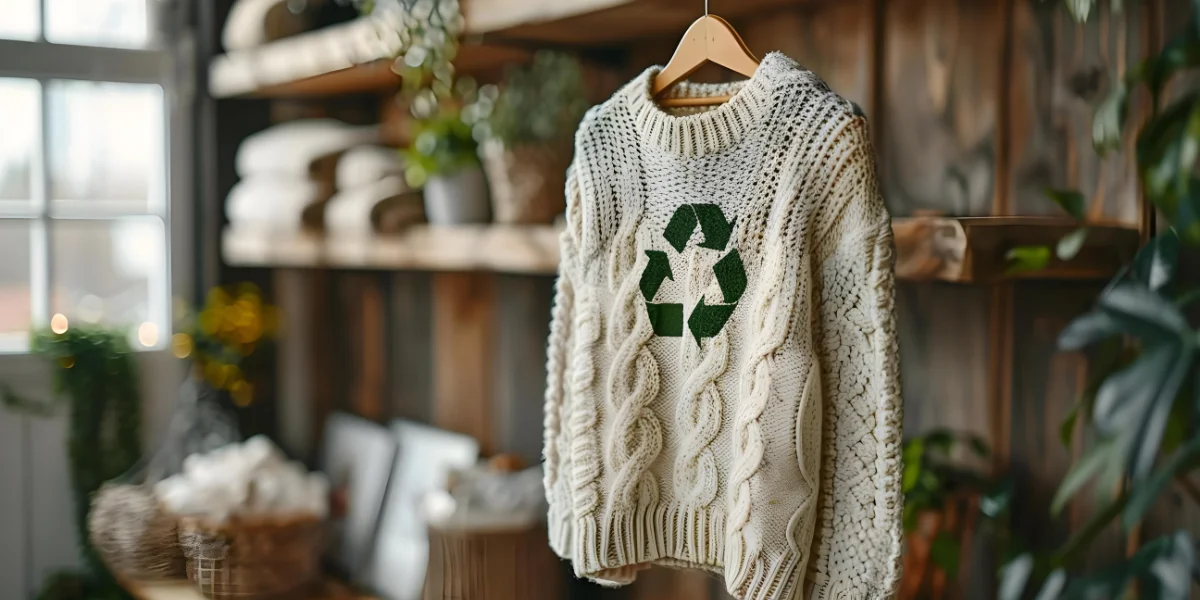
Recycled Garments: The Future of Sustainable Fashion in 2025
Recycled Garments: The Future of Sustainable Fashion in 2025
Sustainable fashion has entered a new era, and at the heart of this transformation lies the rise of can recycled garments a movement that is reshaping the way we produce, buy, and experience clothing. As consumers shift toward conscious choices, recycled clothing, eco friendly clothing, and planet-friendly clothing have become more than just trends; they represent a global commitment to reducing waste and preserving resources. In 2025, recycled garments are expected to dominate the future of ethical and mindful style.
1. What Makes Recycled Garments the Future of Fashion?
As the world becomes more aware of environmental challenges, consumers and brands are reevaluating the lifecycle of every product they purchase or create. This shift is accelerating the rise of recycled garments, which are transforming the fashion industry by reducing textile waste and promoting a sustainable lifestyle. The increased demand for recycled clothing, combined with innovative design, is setting a new standard for what modern fashion should be ethical, stylish, and planet-friendly.
The biggest reason behind this rise is the alarming amount of fabric waste generated globally. Millions of tons of textiles end up in landfills each year, pushing brands to adopt recycled materials, recycled textile products, and recycled cotton clothes. Consumers are also choosing eco-friendly clothing as they become more conscious of their environmental footprint. Recycled garments offer quality, style, and sustainability without compromise.
2. How the Recycling Process Is Transforming Materials
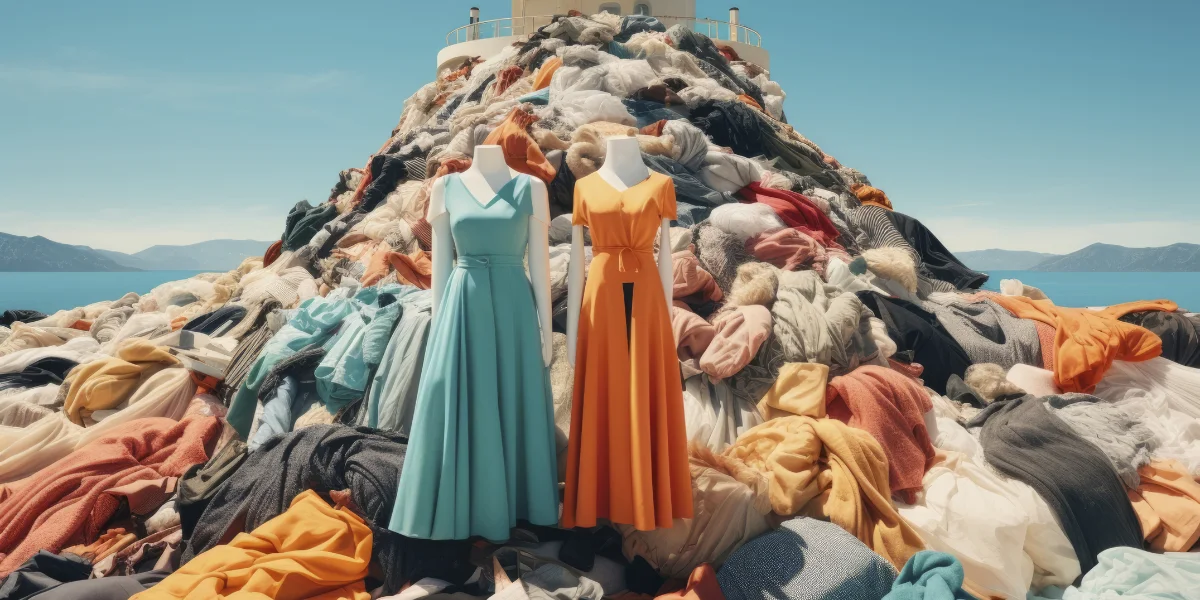
With advanced technology and increased awareness, the recycling process in fashion has evolved dramatically by 2025. Today, recycled textiles are not just environmentally friendly they are high-quality, durable, and fashionable. This transformation fuels a new era of recycled sustainable clothing, where innovation meets ethical production. The introduction of improved recycling methods has made it possible to convert textile waste into luxurious recycled fabric garments, bridging the gap between sustainability and style.
Recycling begins with collecting post-consumer and post-industrial textile waste, which is then sorted, shredded, cleaned, and transformed into fiber. These fibers are spun into recycled yarn garments and blended with organic cotton or other natural materials to create superior fabrics. Designers increasingly use upcycled clothing materials to produce unique, artistic pieces. This shift proves that eco-friendly fashion doesn’t have to sacrifice comfort or aesthetics it can be better than traditional clothing.
3. Why Consumers Are Choosing Recycled Clothes in 2025
Today’s consumers are more aware, responsible, and value-driven than ever. Growing awareness of environmental issues supported by strong social media influence has encouraged people to make eco-conscious clothing choices. As individuals embrace cleaner, more mindful lifestyles across all aspects of daily living, they naturally gravitate toward brands that champion sustainability. This shift in mindset has made recycled clothes a top choice in 2025.
Consumers prefer recycled garments because they significantly reduce water usage, carbon emissions, and landfill waste. Many shoppers also love supporting zero-waste clothing brand initiatives, transparent supply chains, and ethical labor practices. With increasing interest in circular living, buyers are now building wardrobes filled with recycled wardrobe essentials, proving that sustainability can coexist with style and functionality.
4. The Rise of Ethical & Slow Fashion in India and Worldwide
As fashion consumers become more intentional, the slow fashion movement has gained tremendous momentum worldwide. People are choosing quality over quantity, investing in pieces that last longer and leave a smaller environmental impact. This shift is helping brands that champion ethical recycled fashion become leaders in the sustainability movement. Today, handmade, artisanal, and ethically produced recycled garments have become wardrobe staples for conscious shoppers.
Slow fashion encourages thoughtful consumption, where each garment tells a story. With increased use of recycled materials dress designs, brands can craft pieces that minimize environmental harm and maximize wearer comfort. Indian and global labels are incorporating eco-friendly recycled apparel into everyday collections from tops and dresses to scarves and jackets. This merging of tradition, craftsmanship, and sustainability marks a new era of fashion rooted in responsibility.
5. Recycled Garments in 2025: Key Trends to Watch
The year 2025 marks a turning point for recycled fashion, with several game-changing trends emerging worldwide. These trends highlight how sustainability has transitioned from a niche preference to mainstream demand. They also show how innovation continues to redefine recycled fashion and planet-friendly clothing, making ethical style more accessible than ever.
Key trends include:
• A major rise in post-consumer fabric clothing
• Growing popularity of recycled materials dress designs
• Boom in recycled clothes business startups
• Use of zero-waste pattern-making
• Streetwear adopting recycled textile products
• Minimalist consumers choosing essential recycled pieces
• Increasing use of clothing made from waste fabric
These trends prove that sustainability is no longer optional it is the foundation of modern fashion.
6. The Environmental Impact: Why Recycled Clothing Matters
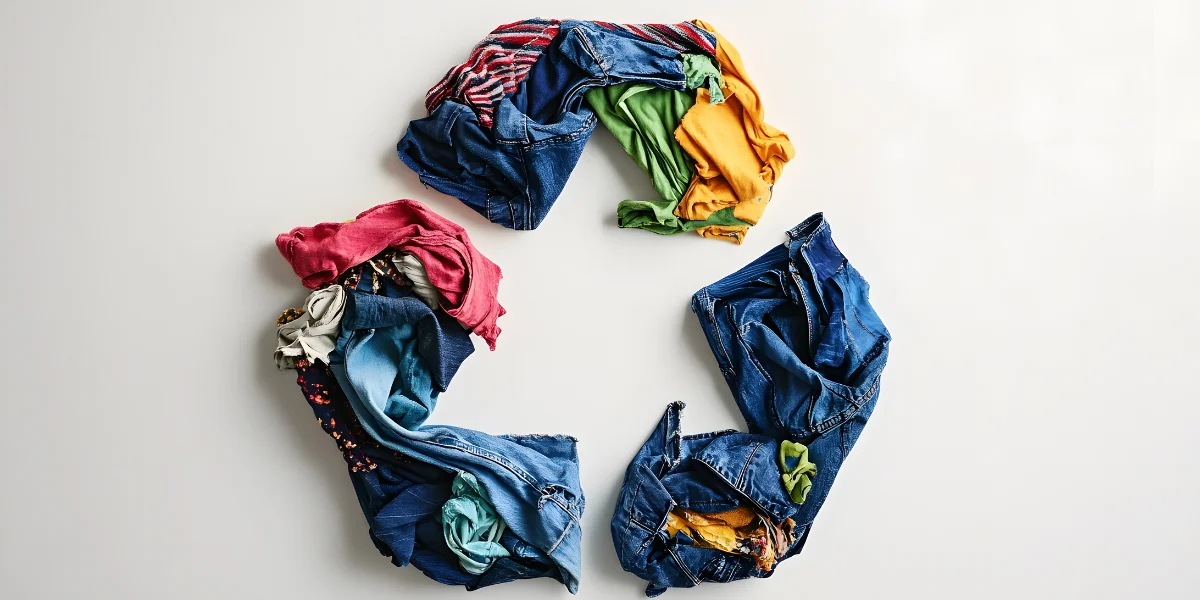
Every year, the fashion industry consumes massive amounts of water, chemicals, and energy, contributing to pollution and climate change. By choosing recycled clothing, consumers directly help reduce this environmental burden. Recycled textiles drastically lower the need for virgin materials, cut carbon emissions, and divert waste from landfills. This makes recycled sustainable clothing a vital part of fighting fashion pollution.
Recycled garments require significantly less water and energy to produce. They help reduce dependency on resource-heavy crops like cotton, especially when blended with recycled materials and post-consumer fabric clothing. For those committed to a sustainable lifestyle, choosing garments made from recycled or recycled yarn garments becomes one of the most effective ways to protect the planet while staying fashionable.
7. How Recycled Garments Support a Conscious Lifestyle
A conscious lifestyle goes beyond fashion it influences every choice we make each day. People who adopt mindful routines, choose natural products, and prefer eco-friendly alternatives often extend the same mindset to their wardrobe. This shift makes recycled textile innovation and ethical recycled fashion highly appealing to today’s conscious consumers.
Recycled garments encourage a healthier relationship with consumption. By choosing eco-friendly clothing and upcycled clothing materials, individuals create a ripple effect that reduces waste, supports ethical production, and encourages responsible manufacturing. Every recycled garment purchased contributes to a cleaner environment and a more sustainable future.
8. Creating a Sustainable Wardrobe With Recycled Materials
Building a sustainable wardrobe in 2025 is easier than ever, with countless brands offering high-quality, stylish recycled clothes. Whether you’re starting fresh or transitioning gradually, incorporating recycled sustainable clothing can transform your lifestyle while reducing environmental impact. A wardrobe made from recycled materials is not only ethical but also durable and fashionable.
How to begin:
1. Start with recycled cotton clothes for daily wear
2. Choose comfortable, breathable recycled fabric garments
3. Support brands offering ethical recycled fashion
4. Pick unique pieces made with upcycled clothing materials
5. Include staples crafted from clothing made from waste fabric
6. Add statement pieces created from recycled materials dress designs
7. Build long-lasting outfits that reflect a slow fashion recycled outfits mind set
A thoughtfully curated collection of planet-friendly clothing becomes your contribution to a cleaner world.
Conclusion
The future of fashion is undeniably sustainable, and recycled garments are at the heart of this transformation. What once started as a niche movement has now evolved into a global shift driven by consumers who want their wardrobe to reflect their values. As people become more conscious about their everyday choices, from the food they eat to the products they bring into their homes, their fashion preferences naturally follow the same mindful path.
Today’s generation isn’t just looking for clothing they’re looking for meaning. They want pieces that tell a story, garments that carry intention, and textiles that contribute to a cleaner, healthier planet. This is exactly where recycled clothing, recycled textile innovation, and ethical recycled fashion shine. These garments reduce waste, preserve natural resources, and promote a circular fashion ecosystem where nothing truly goes to waste.
By choosing recycled materials, consumers are supporting artisans, encouraging responsible manufacturing, and redefining what modern style looks like. Sustainable fashion is no longer about compromise it’s about creativity, craftsmanship, and conscious living. Recycled garments bring together the beauty of design with the power of purpose, making each piece more meaningful than the last.
FAQ's
Recycled fashion refers to clothing made by transforming waste materials, discarded textiles, or post-consumer garments into new, wearable products. It reduces landfill waste, saves resources, and supports sustainable fashion by giving old fabrics a second life through recycling, upcycling, and circular production processes.
Yes, recycled clothes are completely safe. They undergo rigorous sorting, cleaning, sterilizing, and processing to ensure hygiene and quality. Certified recycled garments meet global safety standards and are free from harmful residues, making them comfortable, durable, eco-friendly, and safe for everyday wear.
Yes, cotton fabric can be recycled. It is collected, sorted, shredded, and respun into new fibers or blended with virgin cotton to enhance strength. Recycled cotton reduces water usage, minimizes waste, and supports circular fashion by turning old cotton textiles into new garments.
Yes, recycled clothes can be excellent quality. Modern recycling technologies produce strong, soft, durable fibers comparable to new fabrics. Many brands create premium products using recycled materials, ensuring comfort, longevity, and sustainability without compromising style, performance, or overall garment quality.
Yes, recycled materials are highly eco-friendly. They reduce landfill waste, conserve water, cut carbon emissions, and lower the demand for virgin resources. By reusing existing textiles and plastics, recycled materials support circular fashion and significantly lessen environmental impact throughout the product lifecycle.
Garments are recycled through collection, sorting, shredding, and reprocessing into new fibers or yarn. These fibers are then woven into fresh fabrics or used for insulation and industrial materials. This process reduces waste, saves resources, and supports a fully circular, sustainable fashion system.