



Single Layer vs Double Layer Dhoti: The Ultimate Guide to Traditional Comfort
Single Layer vs Double Layer Dhoti: The Ultimate Guide to Traditional Comfort
When it comes to Indian Traditional Dhoti styles, there is often a debate about which version is superior: the single layer dhoti or the double layer dhoti. While both are quintessential to the dhoti in India, they serve very different purposes depending on the climate, the occasion, and your personal style.
Whether you are preparing for a wedding, looking for a dhoti for pooja, or simply want to embrace the veshti dhoti tradition, understanding the difference between single and double dhoti is essential.
What is a Single Layer Dhoti?
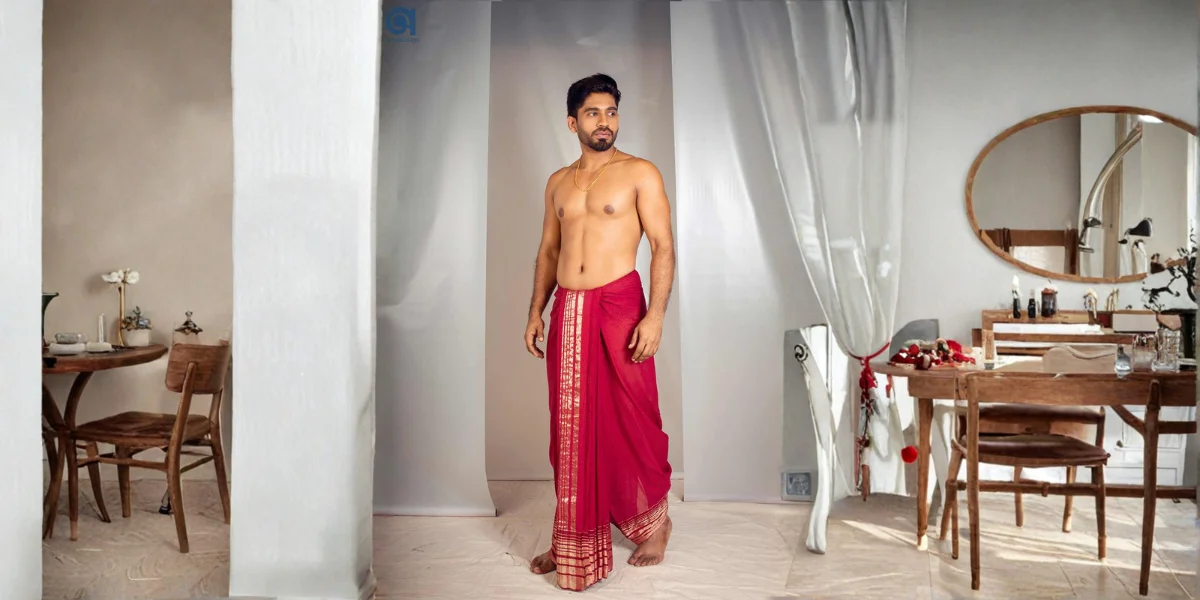
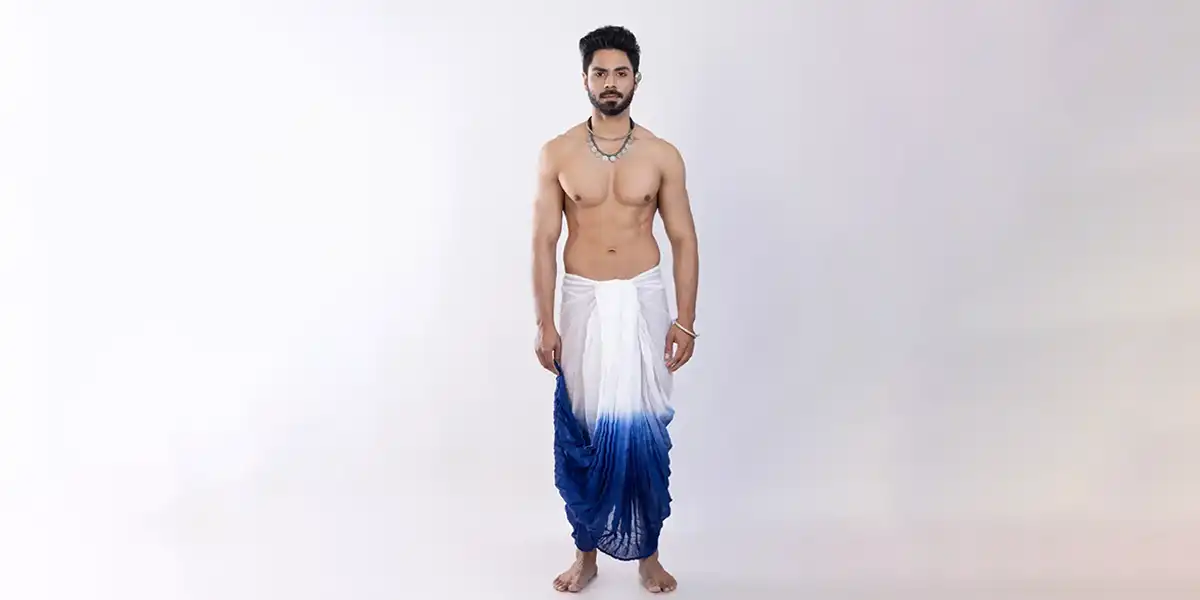
A single layer dhoti is a 2-meter piece of fabric (approximately 4 muzham/mulam) wrapped once around the waist. It is the gold standard for daily wear in hot tropical climates due to its lightweight and breathable nature.
• Single Dhoti Size in Meters:
Approximately 1.8 to 2 meters.
• Best For:
Casual outings, hot summers, and daily use.
• Key Feature:
The single layer cotton dhoti is exceptionally airy but can be slightly translucent, which is why it is often worn as a relaxed home garment or for casual temple visits.
What is a Double Layer Dhoti?
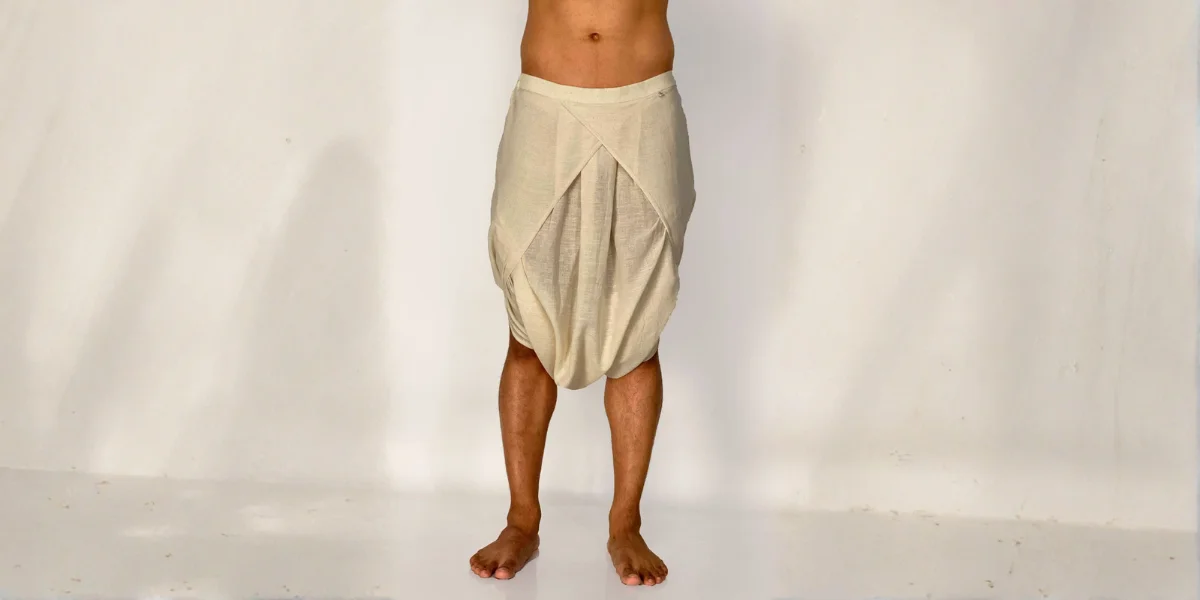
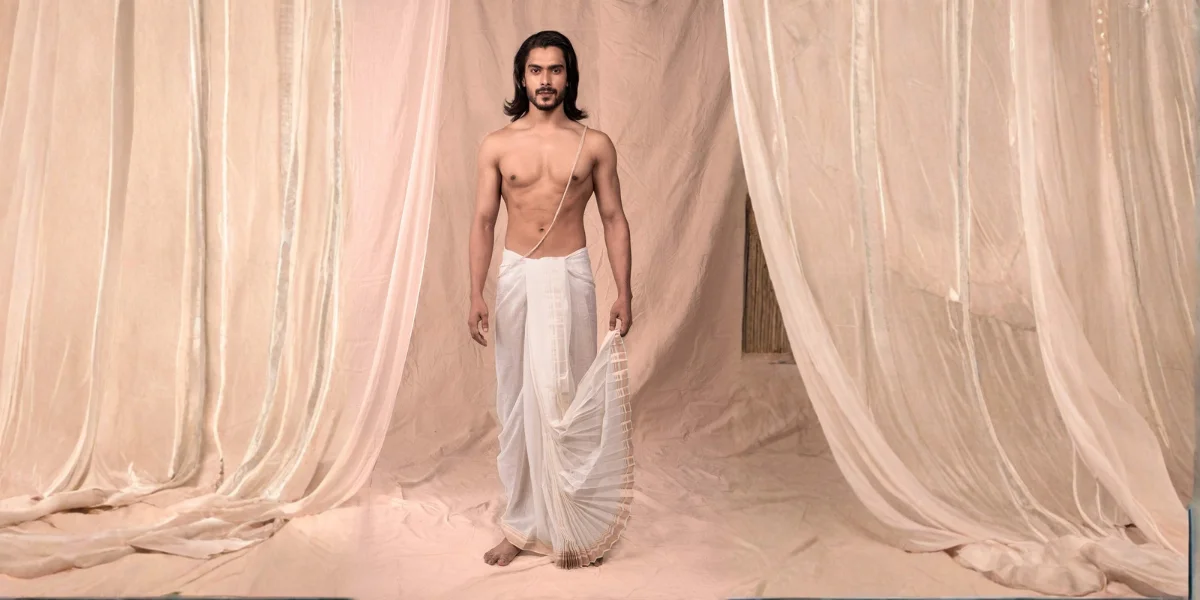
A double layer dhoti is a longer piece of fabric, typically 4 meters (8 mulam), that is folded in half before wrapping or draped with multiple layers. This folding creates a thicker, more opaque, and structured look.
• Double Dhoti Size in Meters:
Approximately 3.8 to 4 meters.
• Best For:
Weddings, festivals like Durga Puja, and formal ceremonies.
• Key Feature:
Double dhotis for men offer a premium look with better volume and “bounce” in the pleats, making them the preferred choice for a formal dhoti outfit.
Key Differences: Single vs Double Dhoti
Feature | Single Layer Dhoti | Double Layer Dhoti |
Length | 2 Meters (4 Mulam) | 4 Meters (8 Mulam) |
Transparency | Slightly semi-transparent | Fully opaque (due to layers) |
Weight | Very lightweight & airy | Heavier and structured |
Occasion | Daily wear, casual events | Weddings, Pooja, Formal events |
Complexity | Easy to drape; simple wrap | Requires more folding and pleating |
Choosing the Right Fabric and Style
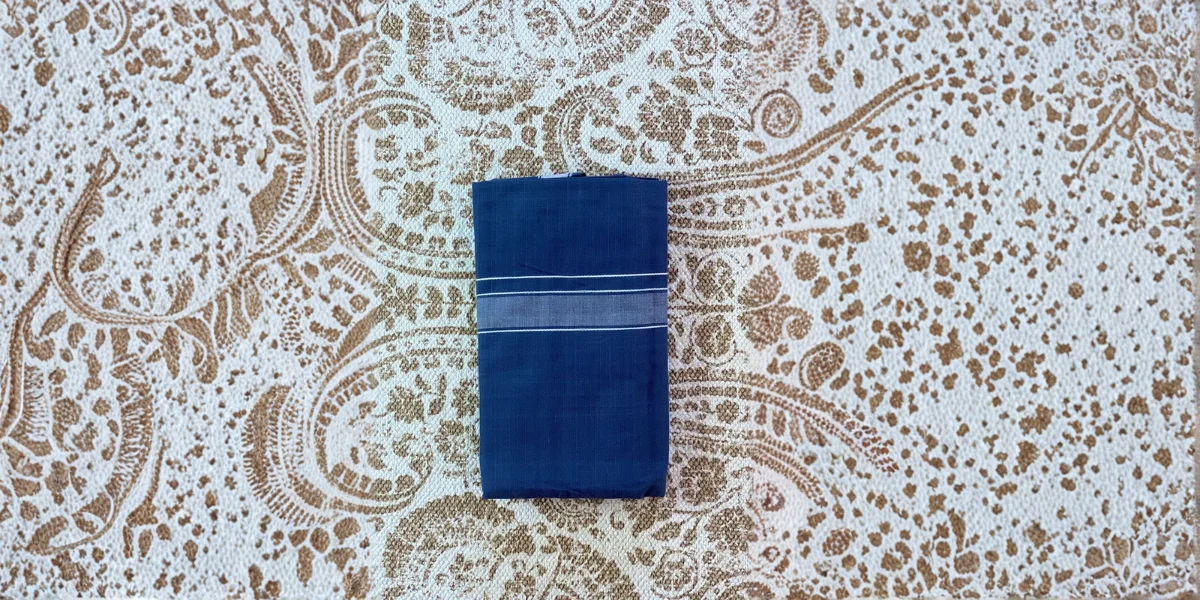
The fabric for dhoti is just as important as the length. Depending on your needs, you might choose:
1. Cotton Dhoti for Pooja
For religious ceremonies, a Pure Cotton Dhoti or an Organic Cotton Dhoti is preferred. Cotton is considered “sattvic” or pure in many traditions. A white or saffron cotton dhoti for pooja keeps you comfortable during long rituals.
2. Silk Dhoti for Grand Events
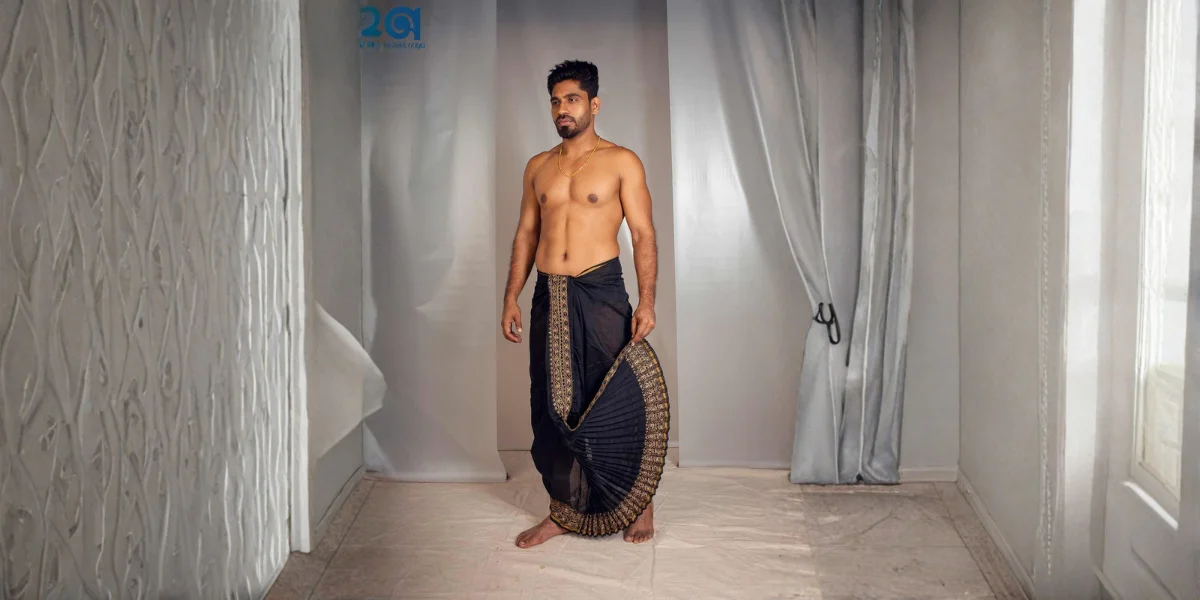
If you are attending a wedding, a Silk Dhoti with a gold Zari border is the ultimate dhoti style for men. Silk adds a regal sheen that cotton cannot replicate.
3. Handloom and Organic Options
A Handloom Dhoti reflects the rich weaving heritage of India. These dhotis often feature unique textures and are more durable than mass-produced versions.
How to Style Your Dhoti
Modern fashion has evolved the dhoti style, making it versatile enough for the 21st century.
• Dhoti with Kurta:
The classic dhoti with kurta combination is perfect for a Dhoti For Durga Puja. Choose a Silk Dhoti for the evening and a Printed Dhoti for morning festivities.
• Fusion Look:
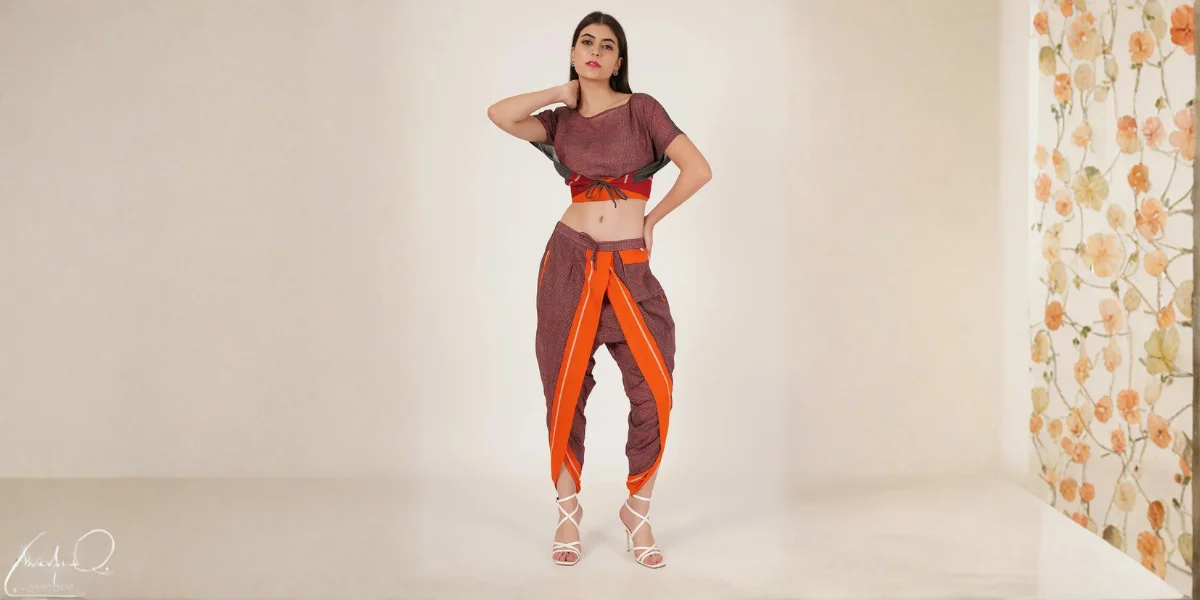
For a contemporary dhoti outfit, pair a Double Dhoti with a slim-fit shirt or a short Nehru jacket.
• Formal Veshti:
In South India, the traditional dhoti is often paired with a matching silk shirt and an Angavastram(shoulder cloth).
Draping Tips: Wearing a Dhoti Correctly
Wearing a dhoti can be intimidating for beginners, but the process is simpler than it looks:
1. Preparation:
For a double layer dhoti, fold the 4-meter cloth in half so you are working with a 2-meter double-layered piece.
2. The Knot:
Hold the fabric behind you, bring both ends forward, and tie a secure knot at the navel.
3. The Pleats:
Create 4 to 5 pleats and tuck them into the center. For the dhoti style for men common in South India, the fabric is wrapped like a skirt. For the North Indian style, one end passes between the legs (the Kachcha style).
4. Security:
Always wear snug briefs underneath, and consider a traditional waistband if you are worried about the dhoti length causing trips.
Maintenance and Care
To keep your Cotton Double Dhoti for Men or Silk Dhoti looking new:
• Hand Wash:
Use mild detergent and cold water.
• Avoid Wringing:
Squeezing the fabric too hard can damage the weave, especially in Silk Dhotis.
• Ironing:
Always iron Traditional Dhoti fabrics while they are slightly damp for a crisp, wrinkle-free finish.
Conclusion
Whether you prefer the simplicity of a single layer dhoti for a hot afternoon or the elegance of a Double Layer Dhoti for a family wedding, the dhoti remains a timeless symbol of Indian culture. By choosing the right Double Dhoti Size and fabric, you can balance comfort with sophisticated tradition.
FAQ's
A dhoti is a traditional unstitched garment worn by men across the Indian subcontinent. It consists of a rectangular piece of fabric usually cotton or silk that is wrapped around the waist and legs. Depending on the region, it is known by various names such as veshti dhoti in South India, panche in Karnataka, and mundu in Kerala.
Yes, the dhoti is one of the oldest forms of Indian Traditional Dhoti attire, dating back thousands of years. It remains a symbol of cultural identity and is the standard choice for formal events, religious ceremonies, and weddings. Even in modern times, it is a staple dhoti for pooja and festive celebrations like Durga Puja.
There are several different types of dhoti drapes based on regional customs:
- The Wrap (Veshti/Mundu Style): A simple wrap around the waist, often folded in half to knee-length for comfort.
- The Panchakacham Style: A complex drape where the fabric is tucked between the legs, common in priestly and formal South Indian traditions.
- The Bengali Style: Known for its decorative front pleats, often paired with a dhoti with kurta for festivals.
- The Kaccha Style: A secure, pant-like drape used in North and West India that allows for greater mobility.
To achieve a specific dhoti style for men, follow these general steps:
- For South Indian Style: Wrap the double layer dhoti around your waist, ensure the ends meet in the middle, and tie a knot or tuck it firmly. Fold the bottom upward for a casual look.
- For North Indian Style: After the initial waist wrap, take the middle part of the fabric, create pleats, and pass them between the legs to tuck into the back waistband.
- For Festive Style: Focus on creating large, neat pleats in the front center to showcase the Zari border of a Silk Dhoti.
The dhoti length varies significantly based on whether it is a single or double version:
- Single Dhoti Size in Meters: Usually 2 meters (approx. 4 mulam), ideal for simple wraps.
- Double Dhoti Size in Meters: Usually 4 meters (approx. 8 mulam). This double dhoti size allows the fabric to be folded or pleated extensively for a thicker, more formal appearance.