



The Green Thread: Decoding the Sustainable Fashion Trends Shaping the Future
The Green Thread: Decoding the Sustainable Fashion Trends Shaping the Future
The global conversation is shifting, and the fashion industry, long a champion of rapid consumption and fleeting trends, is finally listening. Today, the most stylish choice is often the most responsible one. The keyword sustainable fashion trends is no longer a niche term; it’s the heartbeat of a new, ethical, and aesthetically driven movement. Consumers are increasingly demanding transparency, longevity, and ethical practices, fundamentally changing how clothes are designed, produced, and consumed.
In this deep dive, we explore the core shifts, innovative materials, strategic practices, and future directions that define the evolving sustainable fashion industry.
The Wake-Up Call: Impact of Sustainable Fashion
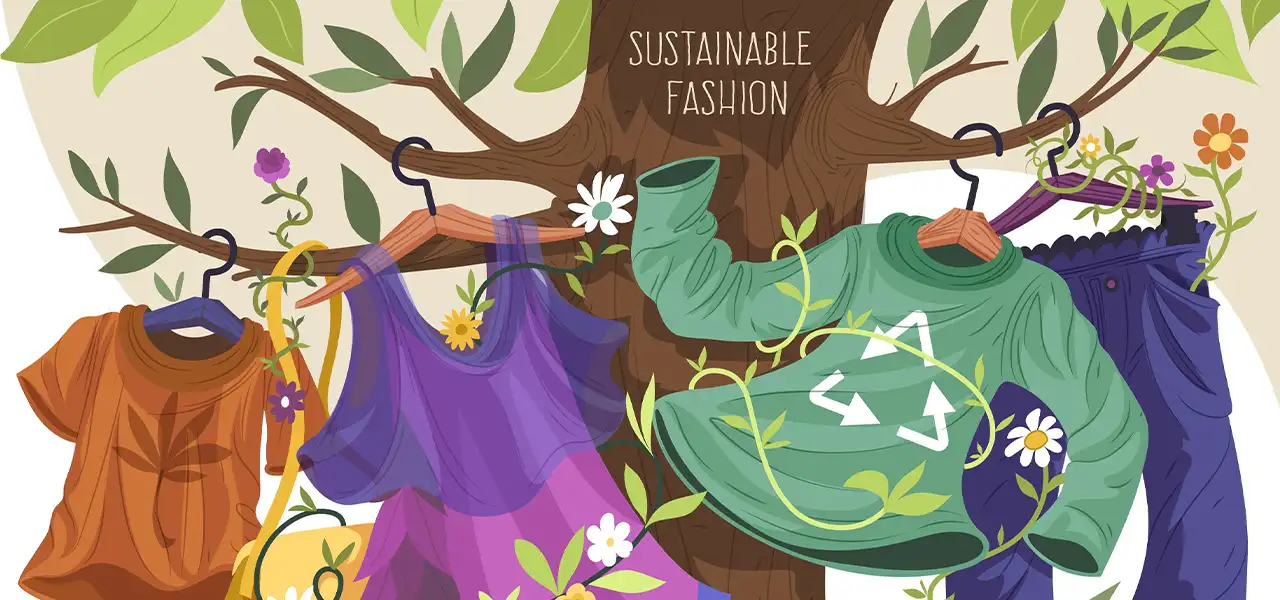
The traditional “take-make-dispose” model of fast fashion has a catastrophic environmental footprint. It is responsible for approximately 10% of global carbon emissions, more than international flights and maritime shipping combined. The industry is a major consumer of freshwater, with an estimated 2,000 gallons of water needed to produce just one pair of conventional jeans. Furthermore, textile dyeing is the world’s second-largest water polluter, and the disposal of non-biodegradable synthetic fabrics like polyester piles up in landfills, taking hundreds of years to decompose.
The rise of sustainable fashion is a direct, urgent response to this crisis. The impact of sustainable fashion practices aims to drastically cut carbon emissions, minimize water pollution, reduce textile waste, and ensure fair labor across the supply chain. It’s a holistic movement promoting a circular economy, where garments are valued, kept in use for as long as possible, and, finally, returned to the cycle.
Weaving the Future: Sustainable Fashion Materials
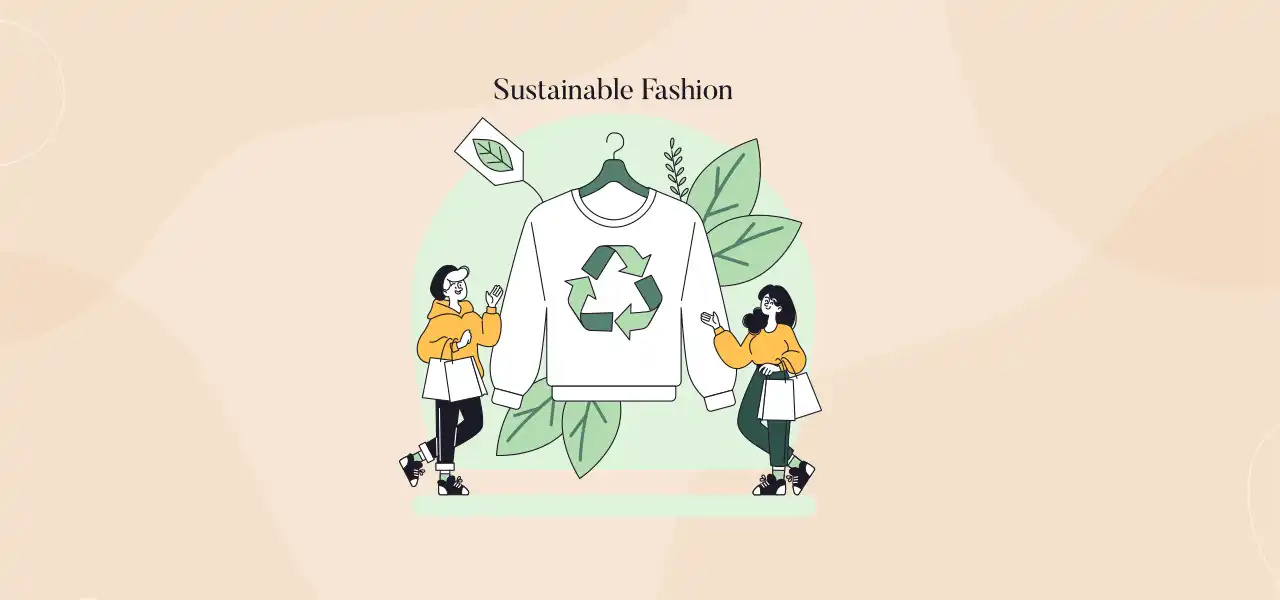
The true engine of sustainable change lies in material innovation. Brands are rapidly moving away from resource-intensive and pollution-heavy conventional fabrics toward groundbreaking sustainable fashion materials and textiles.
Revolutionary Natural & Regenerative Fibers
1. Organic and Recycled Cotton:
Organic cotton is grown without the toxic synthetic pesticides and fertilizers used in conventional cotton, saving water and protecting soil health. Recycled cotton, made from post-industrial or post-consumer waste, drastically reduces landfill material.
Organic cotton is grown without the toxic synthetic pesticides and fertilizers used in conventional cotton, saving water and protecting soil health. Recycled cotton, made from post-industrial or post-consumer waste, drastically reduces landfill material.
2. Hemp and Linen (Flax):
These ancient fibers are making a powerful comeback. Hemp is a highly sustainable crop, requiring minimal water and no pesticides. Linen, derived from the flax plant, is durable, biodegradable, and can grow in poor-quality soil.
These ancient fibers are making a powerful comeback. Hemp is a highly sustainable crop, requiring minimal water and no pesticides. Linen, derived from the flax plant, is durable, biodegradable, and can grow in poor-quality soil.
3. TENCEL™ Lyocell:
A semi-synthetic fiber made from sustainably sourced wood pulp, its production uses a closed-loop system, which recycles nearly all water and solvents, making it incredibly eco-efficient.
A semi-synthetic fiber made from sustainably sourced wood pulp, its production uses a closed-loop system, which recycles nearly all water and solvents, making it incredibly eco-efficient.
Innovative Alternatives and Bio-Materials - Sustainable Fashion and Textiles
The frontier of sustainable fashion and textiles is now dominated by science and biotechnology:
1. Recycled Synthetics (e.g., rPET, ECONYL®):
Recycled Polyester (rPET) repurposes plastic bottles into new fabric, reducing energy consumption and diverting waste. ECONYL® regenerates nylon waste, such as discarded fishing nets, into a high-quality yarn that can be recycled infinitely. This is a critical example of integrating sustainable materials in fast fashion supply chains to curb plastic pollution.
Recycled Polyester (rPET) repurposes plastic bottles into new fabric, reducing energy consumption and diverting waste. ECONYL® regenerates nylon waste, such as discarded fishing nets, into a high-quality yarn that can be recycled infinitely. This is a critical example of integrating sustainable materials in fast fashion supply chains to curb plastic pollution.
2. Bio-Leathers:
Mycelium (mushroom-based) leather and Piñatex (derived from pineapple leaf fibers) offer durable, animal-free, and biodegradable alternatives to traditional leather, which is resource-intensive and involves toxic tanning processes.
Mycelium (mushroom-based) leather and Piñatex (derived from pineapple leaf fibers) offer durable, animal-free, and biodegradable alternatives to traditional leather, which is resource-intensive and involves toxic tanning processes.
Core Sustainable Fashion Practices and Trends
Beyond materials, the hottest sustainable fashion trends are defined by innovative business models and consumer behavior.
1. Circular Fashion Models:
This is the most dominant trend. It includes repair programs, take-back schemes for recycling, and the massive growth of the second-hand and resale market. Platforms for renting, swapping, and selling pre-owned clothing are normalizing the idea of shared ownership and extending a garment’s lifecycle.
This is the most dominant trend. It includes repair programs, take-back schemes for recycling, and the massive growth of the second-hand and resale market. Platforms for renting, swapping, and selling pre-owned clothing are normalizing the idea of shared ownership and extending a garment’s lifecycle.
2. Slow Fashion and Durability:
Rejecting the constant cycle of newness, consumers are prioritizing quality over quantity, a cornerstone of sustainable fashion practices. High-quality, timeless, and durable pieces are seen as investments.
Rejecting the constant cycle of newness, consumers are prioritizing quality over quantity, a cornerstone of sustainable fashion practices. High-quality, timeless, and durable pieces are seen as investments.
3. On-Demand and Zero-Waste Production:
Leveraging technology like 3D design and AI-driven forecasting, brands are moving to made-to-order models. This is crucial for eliminating the immense waste caused by overproduction, a signature problem of the fast fashion era. Zero-waste design techniques focus on maximizing fabric utilization through smart pattern cutting.
Leveraging technology like 3D design and AI-driven forecasting, brands are moving to made-to-order models. This is crucial for eliminating the immense waste caused by overproduction, a signature problem of the fast fashion era. Zero-waste design techniques focus on maximizing fabric utilization through smart pattern cutting.
4. Supply Chain Transparency:
Consumers want to know the who, what, and where of their clothes. Brands are using technologies like Blockchain to offer complete, verifiable traceability from raw fiber to finished garment, combating “greenwashing” and building genuine trust.
Consumers want to know the who, what, and where of their clothes. Brands are using technologies like Blockchain to offer complete, verifiable traceability from raw fiber to finished garment, combating “greenwashing” and building genuine trust.
Marketing Sustainable Fashion Trends and Future Directions
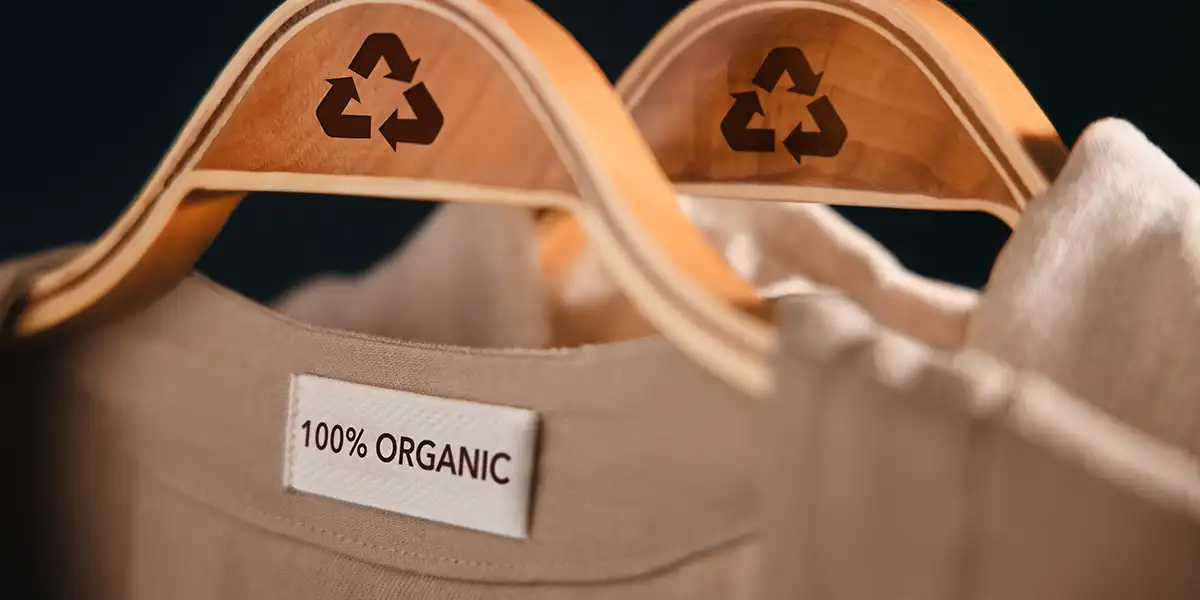
The way sustainable fashion trends are marketed is as crucial as the product itself. Authenticity and education are key.
Strategies for Marketing Sustainable Fashion
1. Impact Storytelling:
Brands must transparently communicate their social and environmental impact, sharing stories about the farmers, artisans, and ethical production processes. This goes beyond vague “eco-friendly” claims.
Brands must transparently communicate their social and environmental impact, sharing stories about the farmers, artisans, and ethical production processes. This goes beyond vague “eco-friendly” claims.
2. Certifications and Accountability:
Displaying credible third-party certifications (like GOTS for organic textiles or Fair Trade) validates sustainability claims and guides consumer choice.
Displaying credible third-party certifications (like GOTS for organic textiles or Fair Trade) validates sustainability claims and guides consumer choice.
3. Community Building:
Engaging the customer in the sustainability journey through repair workshops, clothing swaps, and educational content fosters brand loyalty and participation in the circular model.
Engaging the customer in the sustainability journey through repair workshops, clothing swaps, and educational content fosters brand loyalty and participation in the circular model.
The Future: Innovation and Inclusion

The sustainable fashion industry trends point toward a future dominated by technology and inclusion. Digital fashion and NFTs are emerging as zero-physical-waste alternatives for self-expression. In terms of physical garments, continued innovation in bio-materials, like lab-grown cotton and algae-based textiles will reduce reliance on traditional farming.
The movement also has significant potential in emerging markets, especially sustainable fashion in India. With a rich heritage of traditional, low-impact textile crafts, such as natural dyeing, handloom weaving, and block printing, India is positioned as a global leader in ethical, artisanal production. The focus on local craftsmanship, natural fibers, and circularity within Indian textile industries aligns perfectly with the future of global sustainable fashion.
A Collective Responsibility
The shift to sustainable fashion requires a collective effort. Governments must enact stricter regulations, businesses must prioritize ethics over sheer profit, and consumers must exercise conscious choice. By embracing the sustainable fashion trends of today, we are collectively weaving a greener, fairer, and more beautiful future for the fashion world.
FAQ's
This describes the shift towards circular models, like repair and resale, and the use of eco-friendly materials such as organic cotton and bio-based leathers, reducing environmental and social impact.
It is crucial to mitigate the environmental damage caused by the industry, including huge CO2 emissions, water pollution, and textile waste, while also ensuring fair labour practices.
Sustainable fabrics include Organic Cotton, Hemp, Linen, TENCEL™ Lyocell, and recycled materials like rPET (recycled polyester) and ECONYL® (regenerated nylon), minimizing virgin resource use.
Fast fashion’s “take-make-dispose” model is responsible for excessive resource use, high CO2 emissions, major water pollution, and massive landfill waste, driving a disposable culture.
The future involves fully circular systems, scaled bio-material innovation (like lab-grown textiles), AI-driven demand forecasting to prevent overproduction, and complete supply chain transparency.
It is a holistic approach ensuring clothes are sourced, produced, and consumed in ways that are ecologically sound, socially equitable, and economically viable for long-term planetary health.
The industry accounts for ~10%of global carbon emissions, ~20% of industrial water pollution, and generates mountains of non-biodegradable textile waste, particularly from synthetic fibers.
Ethical fashion positively influences consumers, who are often willing to pay a premium for brands with verifiable social and environmental responsibility, rewarding transparency and good practice.