


ikat textile

The beauty of ikat textile lies in its intricate artistry where every thread becomes part of a larger narrative, blending heritage with craftsmanship. Woven carefully using the resist dyeing technique, this fabric is known for its blurred yet mesmerizing designs that symbolize cultural traditions across regions. Rooted deeply in ancient ikat weaving traditions, the process begins with careful pre-dyeing of yarns that ultimately form beautiful motifs when interlaced. From soft cotton fabric to luxurious silk, artisans experiment with colors and textures, creating timeless handmade textiles that showcase both durability and elegance. The popularity of handwoven ikat fabric continues to grow, especially in modern ikat fabric dress collections that combine tradition with contemporary appeal. The versatility of this cloth material ensures it can be styled into everything from ethnic attire to global fashion statements. As an expression of cultural identity and artistry, ikat handloom remains not only a functional textile but also a storytelling medium that celebrates heritage, craftsmanship, and sustainable living through handmade cotton clothing that feels authentic, breathable, and rich in tradition.

ikat technique

The timeless ikat technique is admired worldwide for its complex beauty, created through the art of tying and dyeing yarns before they are woven. The ikat weaving process requires patience and mastery, where artisans carefully align dyed threads to bring out harmonious designs. What makes ikat special is its ability to embody both tradition and innovation, making it a significant choice in sustainable clothing movements. By focusing on natural dyes and organic fibers, ikat protects the environment while preserving heritage. Its unique ikat patterns, often blurred yet captivating, symbolize imperfection as beauty, reflecting the human touch behind every creation. From angular geometric ikat designs to soft flowing motifs, the variations express regional identities and cultural artistry. The charm of ikat handloom fabric lies in its versatility, suitable for saris, dresses, jackets, and even home décor. Contemporary designers have embraced the ikat collection as a representation of slow fashion, emphasizing conscious consumerism and artisanal skill. Each piece is more than fabric—it’s a journey of tradition woven into threads, echoing values of sustainability, artistry, and timeless appeal, making ikat an enduring textile for the fashion-forward yet culturally rooted.

ikat motifs

The charm of ikat motifs lies in their ability to merge tradition with contemporary elegance, offering wearable art through handmade cotton clothing crafted with care. Known for its breathable and eco-friendly nature, cotton fabric has been the foundation of many handmade textiles, especially in ikat weaving centers across India and Southeast Asia. Among the most celebrated creations is the double ikat saree, where both warp and weft threads are resist-dyed to perfection, producing designs that seem painted onto the fabric. Equally admired is ikat cotton fabric, which blends everyday comfort with timeless artistry. Beyond cotton, silk ikat textiles embody opulence, often featuring elaborate patterns favored for ceremonial attire and high-fashion garments. These fabrics not only stand as cultural treasures but also adapt gracefully to modern wardrobes, whether styled as saris, stoles, or tailored outfits. Each motif carries regional identity, from diamonds and waves to symbolic figures, making every piece a narrative of heritage. The labor-intensive artistry ensures that every woven thread preserves the legacy of generations, keeping alive the cultural essence of ikat while making it relevant in today’s evolving world of sustainable and elegant fashion.

ikat weaving

The art of ikat weaving is a true reflection of heritage, sustainability, and human creativity woven into every strand. Unlike printed fabrics, ikat involves traditional dyeing methods where yarns are tied and dyed before being placed on the loom, resulting in naturally blurred patterns that symbolize the hand of the artisan. Increasingly valued in sustainable clothing, ikat is crafted with organic dyes and cotton fabric, ensuring eco-friendly production without compromising elegance. Beyond its beauty, ikat embodies cultural heritage weaving, preserving centuries-old practices that continue to inspire designers today. The richness of ikat motifs and symbols, often inspired by nature, spirituality, and geometry, adds deeper meaning to every creation, turning cloth into a medium of storytelling. Worn across generations, ikat fabric resonates with identity and tradition while fitting seamlessly into contemporary fashion. Whether as saris, dresses, or modern apparel, ikat sustains a balance between cultural pride and global appeal. Each handmade piece carries a touch of authenticity, reminding us of the artisan’s role in preserving this invaluable craft while promoting mindful choices in a world increasingly shifting toward sustainable living.

ikat dyeing

The precision of ikat dyeing transforms simple yarns into fabrics of unmatched elegance, blending age-old traditions with modern style. From ethnic saris to everyday wear, ikat finds new life in contemporary designs like the ikat kurta, crafted from breathable handmade cotton clothing that suits both festive and casual occasions. Artisans employ natural dyes and eco-friendly methods, creating sustainable handmade fabric that not only looks beautiful but also supports environmentally conscious fashion choices. As a craft deeply connected to communities, ikat thrives through artisan-made textiles where each thread is infused with skill, patience, and cultural meaning. Globally, regions like Indonesia have preserved the uniqueness of Indonesian ikat cloth, celebrated for its bold colors and symbolic motifs. Today, ikat is admired not only for its visual appeal but also for the sustainable ethos it represents, aligning with the values of slow fashion. The blurred, dreamlike patterns of ikat continue to inspire designers across the world, making it a bridge between cultural authenticity and modern trends. Through ikat, fashion lovers embrace a textile that is stylish, ethical, and deeply rooted in heritage.

ikat fabric

The allure of ikat fabric rests in its fascinating interplay of dyeing and weaving that creates mesmerizing patterns celebrated globally. The ikat fabric origin can be traced across Asia, Africa, and Latin America, where artisans developed distinctive weaving methods that became cultural hallmarks. In India, the craft thrives through Indian ikat sarees, admired for their vibrancy and fine detailing. Central Asia offers bold, rhythmic designs seen in Uzbek ikat patterns, while Japan preserves Japanese kasuri weaving, known for its minimalist elegance and precision. At its core, ikat is more than just handmade cotton clothing—it is an embodiment of cultural pride woven into fabric design. The rhythmic interlacing of threads produces unique woven fabric that captures the essence of heritage while adapting to contemporary needs. Each region’s style reflects its identity, from geometric motifs to natural elements, making ikat a truly global textile art. Beyond being clothing, ikat inspires home décor, accessories, and modern apparel, proving its timeless versatility. Its ability to merge traditional artistry with modern fashion ensures that ikat remains a textile legacy cherished across cultures and generations.

ikat design

The essence of ikat design lies in its fusion of craftsmanship and cultural symbolism, celebrated as a living art form across continents. Rooted in history, ikat art is created through labor-intensive weaving and resist-dyeing processes that result in captivating blurred patterns. Modern fashion has embraced ikat not only for its beauty but also as part of the movement toward sustainable clothing and eco-friendly fabrics. With increasing awareness around climate change, ikat is valued as one of the finest slow fashion textiles, supporting artisan livelihoods while minimizing environmental impact. Each creation reflects the patience and dedication of weavers who transform yarn into wearable canvases. Ethnic and woven fabrics in ikat bring forward geometric, floral, and symbolic patterns that connect the wearer to cultural heritage while maintaining global relevance. Designers across the world experiment with ikat to create collections that blend tradition with innovation, from high-end couture to casual everyday wear. By choosing ikat, consumers embrace not just a textile but a philosophy of mindful fashion, one that uplifts communities, respects the environment, and celebrates artistry as timeless and irreplaceable.

ikat in india

The story of ikat in India is one of heritage, craftsmanship, and sustainable creativity that continues to flourish in modern times. From the looms of Odisha, Gujarat, and Andhra Pradesh, ikat has evolved into a hallmark of sustainable fashion while retaining its cultural authenticity. Known for breathable handmade cotton clothing, ikat adapts seamlessly into saris, kurtis, and global apparel made with eco-conscious fabric material. Whether it is finely woven ikat cloth or everyday wear like ikat cotton kurtis, this textile balances tradition with modern design aesthetics. For festive occasions, luxurious ikat silk material offers elegance with motifs inspired by nature, spirituality, and geometry. The process behind ikat reflects a commitment to artistry and patience, where yarns are tied, dyed, and carefully woven into mesmerizing patterns. As fashion increasingly moves toward ethical choices, ikat stands as a prime example of heritage textiles being reinvented for a new era. Each piece not only enhances wardrobes but also supports artisan communities, making ikat a symbol of conscious fashion rooted in cultural pride.
Ikat Weaving, Ikat Technique, Ikat Motifs, Ikat Textile, Ikat Dyeing, Ikat Art, Ikat In India, Sustainable Fashion, Ikat Textile, Ikat Fabric, Ikat Weaving, Ikat Art, Ikat Design, Ikat Motifs, Ikat Dyeing, Ikat Technique, Ikat In India, Ikat Fashion, Sustainable Ikat Clothing, Traditional Ikat Craft, Handmade Ikat Fabric, Double Ikat, Ikat Heritage, Ikat Patterns, Ikat Culture

Ikat Textile: A Timeless Dance of Thread and Dye

Ikat Textile: A Timeless Dance
of Thread and Dye

In a world saturated with mass-produced textiles, the allure of ikat textile endures. It whispers tales of ancient traditions, intricate craftsmanship, and a deep connection to cultural heritage. More than just a fabric, ikat is an ikat art form – a testament to human ingenuity and the enduring beauty of handmade creations.
This blog delves into the fascinating world of ikat, exploring its history, ikat technique, diverse motifs, and its relevance in today’s sustainable fashion landscape.

Unraveling the Mystery: What is Ikat?

Ikat Weaving, Ikat Technique, Ikat Motifs, Ikat Textile, Ikat Dyeing, Ikat Art, Ikat In India, Sustainable Fashion, Ikat Textile, Ikat Fabric, Ikat Weaving, Ikat Art, Ikat Design, Ikat Motifs, Ikat Dyeing, Ikat Technique, Ikat In India, Ikat Fashion, Sustainable Ikat Clothing, Traditional Ikat Craft, Handmade Ikat Fabric, Double Ikat, Ikat Heritage, Ikat Patterns, Ikat Culture
The word “ikat” originates from the Malay-Indonesian word “mengikat,” which means “to bind” or “to tie.” This simple word encapsulates the essence of the ikat weaving process, a resist-dyeing technique where bundles of yarn are tied and dyed before being woven into fabric. What sets ikat apart from other resist-dyeing methods like batik or tie-dye is that the resist is applied to the yarns themselves, not to the finished cloth.
The magic of ikat lies in its imprecision. Because the dyeing is done on the yarns before weaving, achieving perfectly sharp lines is nearly impossible. This intentional blurring, often celebrated as a hallmark of ikat design, gives the fabric a unique, almost ethereal quality. The slight imperfections are a reminder of the human hand involved in its creation, adding to its charm and value.

The Journey of Ikat: Tracing its Origins

Ikat Weaving, Ikat Technique, Ikat Motifs, Ikat Textile, Ikat Dyeing, Ikat Art, Ikat In India, Sustainable Fashion, Ikat Textile, Ikat Fabric, Ikat Weaving, Ikat Art, Ikat Design, Ikat Motifs, Ikat Dyeing, Ikat Technique, Ikat In India, Ikat Fashion, Sustainable Ikat Clothing, Traditional Ikat Craft, Handmade Ikat Fabric, Double Ikat, Ikat Heritage, Ikat Patterns, Ikat Culture
The ikat fabric origin is difficult to pinpoint with absolute certainty. Evidence suggests that ikat traditions have emerged independently in various parts of the world, including:
Indonesia:
Considered by many to be the heartland of ikat, Indonesia boasts a rich diversity of ikat styles, each unique to specific islands and communities. Sumba, Flores, and Sulawesi are particularly renowned for their exquisite ikat textiles.
India:
The ikat in India has a long and storied past, with distinct regional variations. Gujarat, Andhra Pradesh, and Odisha are major centers of ikat production, each with its own characteristic motifs and techniques.
Japan:
Known as “kasuri,” Japanese ikat features a refined aesthetic, often incorporating geometric patterns and subtle color palettes.
Central Asia:
The vibrant ikat textiles of Uzbekistan, with their bold colors and striking designs, reflect the region’s rich cultural heritage.
South America:
Ikat traditions also exist in countries like Argentina and Bolivia, showcasing the global appeal of this ancient craft.
The widespread presence of ikat across diverse cultures suggests that the technique likely evolved independently in different regions, driven by the availability of local materials and the ingenuity of local artisans.

The Art of Ikat Weaving: A Step-by-Step Look

Ikat Weaving, Ikat Technique, Ikat Motifs, Ikat Textile, Ikat Dyeing, Ikat Art, Ikat In India, Sustainable Fashion, Ikat Textile, Ikat Fabric, Ikat Weaving, Ikat Art, Ikat Design, Ikat Motifs, Ikat Dyeing, Ikat Technique, Ikat In India, Ikat Fashion, Sustainable Ikat Clothing, Traditional Ikat Craft, Handmade Ikat Fabric, Double Ikat, Ikat Heritage, Ikat Patterns, Ikat Culture
The creation of ikat fabric is a labor-intensive process that requires immense skill, patience, and precision. Here’s a glimpse into the intricate steps involved in ikat dyeing and weaving:
• Yarn Preparation:
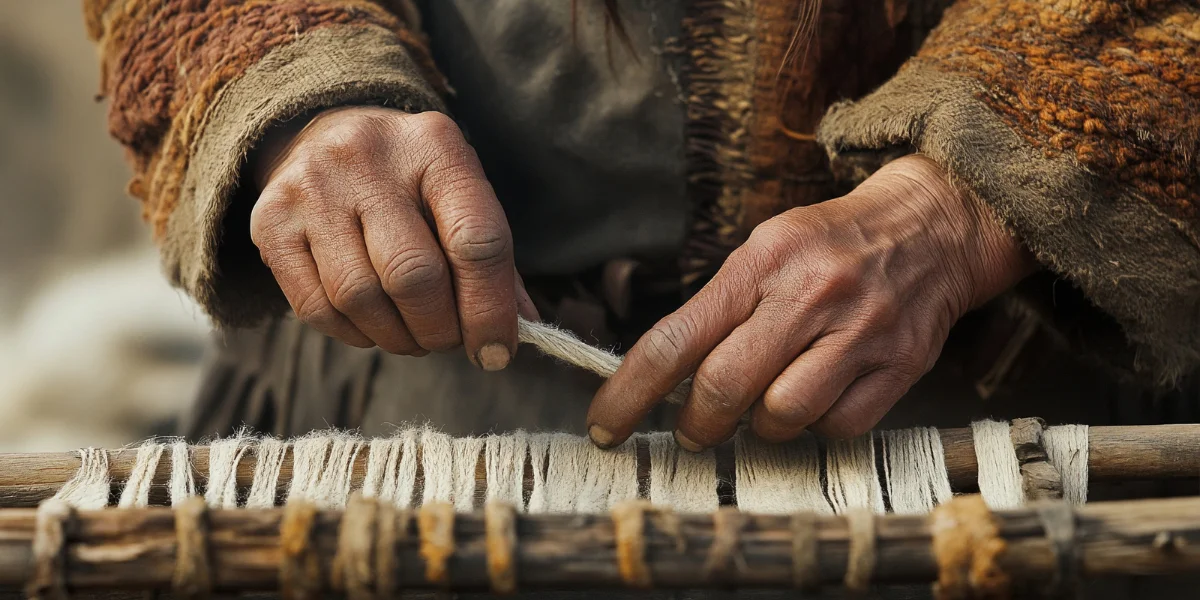
The process begins with carefully selecting and preparing the yarn, typically cotton fabric or silk. The yarn is then wound onto a frame, ready for the tying process.
Designing the Pattern:
The design is meticulously planned, taking into account the desired ikat motifs, colors, and the overall composition of the fabric.
Tying the Resists:
This is the most crucial step. Sections of the yarn are tightly bound with resist material, traditionally using waxed cotton thread or raffia. The areas covered by the resist will not absorb the dye, creating the desired pattern.
Dyeing:
The yarn is then immersed in a dye bath. The process may be repeated multiple times with different colors, each time requiring careful tying and re-tying to protect the previously dyed areas.
Untying and Weaving:
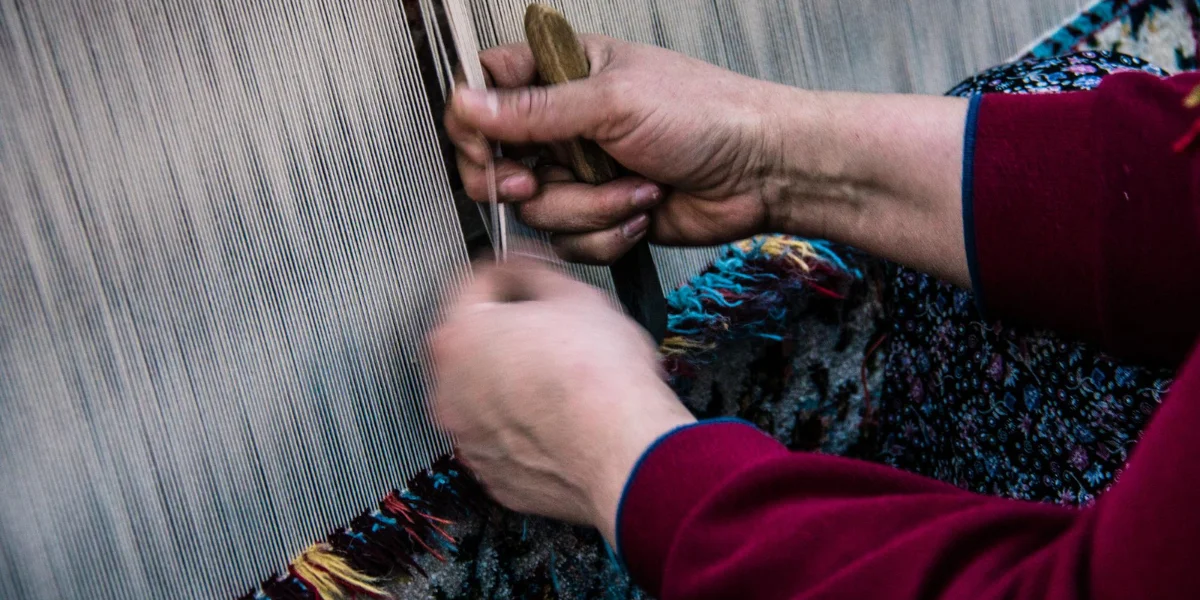
Once the dyeing is complete, the resists are removed, revealing the intricate pattern on the yarn. The yarn is then carefully warped and woven on a loom, bringing the design to life. The weaver must precisely align the dyed yarns to ensure the pattern emerges correctly in the finished fabric.
There are three main types of ikat, classified based on which yarns are resist-dyed:
Warp Ikat:
Only the warp yarns (the yarns that run lengthwise on the loom) are dyed. This is the most common type of ikat.
Weft Ikat:
Only the weft yarns (the yarns that run across the width of the loom) are dyed. Weft ikat is generally more challenging to produce than warp ikat, as the weaver must carefully align the weft yarns with each pass.
Double Ikat:
Both the warp and weft yarns are resist-dyed. Double ikat is the most complex and highly prized form of ikat, requiring exceptional skill and precision. The Patola sarees of Gujarat, India, are a prime example of double ikat.

A Symphony of Symbols: Deciphering Ikat Motifs

Motif Patterns, History of Ikat, Types of Ikat, Ikat Print, Ikat Techniques, Ikat Textile, Ikat, Sustainable Fashion, Ikat Fabric, Sepia Stories
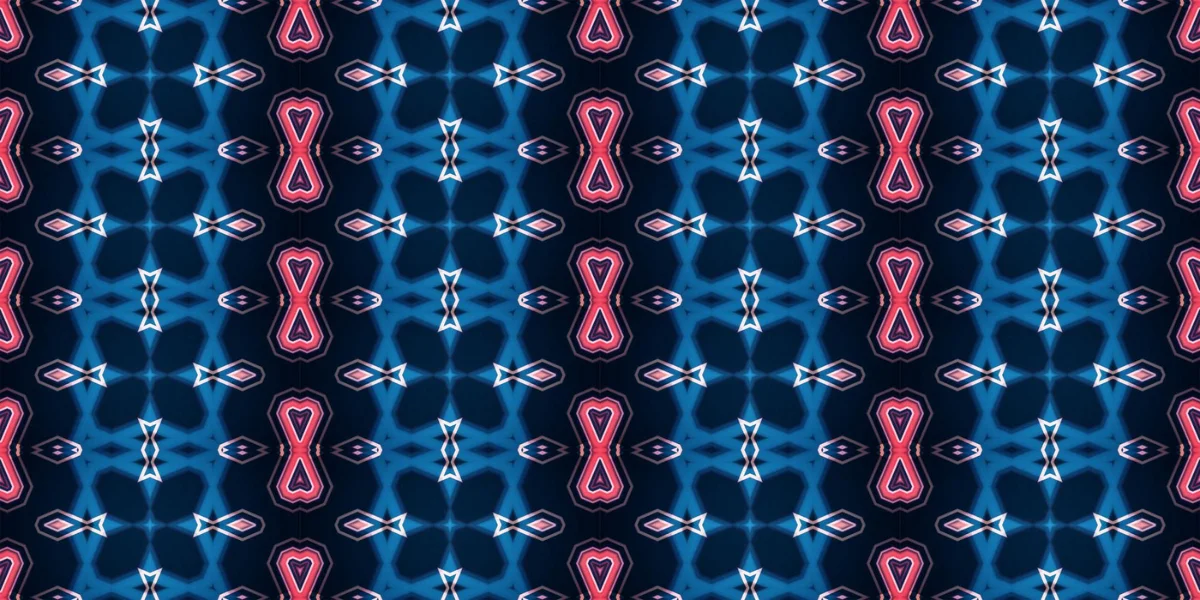
Ikat motifs are more than just decorative elements; they often carry deep cultural and symbolic meanings. The motifs used in ikat textiles vary widely depending on the region, community, and the intended use of the fabric. Some common motifs include:
Geometric Patterns:
Diamonds, triangles, and zigzags are frequently used, often representing natural elements or abstract concepts.
Animal Motifs:
Birds, fish, and other animals may symbolize fertility, prosperity, or spiritual beliefs.
Floral Motifs:
Flowers and plants often represent beauty, growth, and abundance.
Human Figures:
Depictions of human figures may represent ancestors, deities, or important cultural figures.
The interpretation of ikat design and motifs often requires an understanding of the cultural context in which the textile was created. Each motif tells a story, offering insights into the beliefs, values, and traditions of the community that produced it.

Ikat in the Modern World: Embracing Sustainable Fashion

In an era of fast fashion and mass production, ikat offers a refreshing alternative. The slow, deliberate process of ikat creation stands in stark contrast to the rapid pace of modern textile manufacturing. By choosing ikat, consumers can support traditional craftsmanship, promote sustainable clothing practices, and invest in pieces that are both beautiful and meaningful.
Ikat aligns perfectly with the principles of sustainable fashion for several reasons:
Handmade:
Ikat is primarily a handmade craft, relying on traditional techniques passed down through generations. This reduces the reliance on energy-intensive machinery and promotes fair labor practices.
Natural Dyes:
Many ikat artisans use natural dyes derived from plants, minerals, and insects. These dyes are often more environmentally friendly than synthetic dyes, reducing the impact on water resources and ecosystems.
Durable:
Ikat textiles are known for their durability and longevity. With proper care, an ikat garment can last for many years, reducing the need for frequent replacements.
Cultural Preservation:
By supporting ikat artisans, consumers contribute to the preservation of traditional cultural practices and the economic empowerment of local communities.

Styling with Ikat: Adding a Touch of Global Flair

Ikat Weaving, Ikat Technique, Ikat Motifs, Ikat Textile, Ikat Dyeing, Ikat Art, Ikat In India, Sustainable Fashion, Ikat Textile, Ikat Fabric, Ikat Weaving, Ikat Art, Ikat Design, Ikat Motifs, Ikat Dyeing, Ikat Technique, Ikat In India, Ikat Fashion, Sustainable Ikat Clothing, Traditional Ikat Craft, Handmade Ikat Fabric, Double Ikat, Ikat Heritage, Ikat Patterns, Ikat Culture
Ikat’s versatility makes it a perfect addition to any wardrobe. Whether you’re looking for a statement piece or a subtle accent, ikat can add a touch of global flair to your style. Here are a few ideas on how to incorporate ikat into your wardrobe:
Ikat Kurta:
An ikat kurta is a comfortable and stylish option for both casual and formal occasions. Pair it with jeans or leggings for a relaxed look, or dress it up with tailored pants and accessories.
Ikat Dresses:
An ikat dress is a great way to make a statement. Choose a bold, colorful print for a festive occasion, or opt for a more muted palette for everyday wear.
Ikat Scarves:
An ikat scarf can add a pop of color and texture to any outfit. Drape it over your shoulders, tie it around your neck, or use it as a head wrap for a stylish touch.
Ikat Accessories:
Ikat bags, belts, and jewelry can add a subtle touch of global flair to your look.

When styling with ikat, it’s important to consider the scale and pattern of the fabric. If you’re wearing a bold ikat print, keep the rest of your outfit simple and neutral. If you’re using ikat as an accent, you can experiment with bolder colors and textures.

Conclusion: The Enduring Legacy of Ikat

The ikat textile is more than just a piece of cloth; it’s a living testament to the power of human creativity and the enduring beauty of traditional crafts. From its mysterious origins to its modern-day revival, ikat continues to captivate and inspire. By embracing ikat weaving and supporting the artisans who create it, we can help ensure that this timeless art form continues to thrive for generations to come. Choose handmade cotton clothing featuring ikat and become a part of a story that spans continents and centuries, a story woven with skill, tradition, and a deep respect for the art of ikat dyeing.

FAQ's

Ikat is a resist-dyeing technique where yarn bundles are tied and dyed before weaving. This creates blurred designs, a hallmark of ikat. It’s an art form reflecting cultural heritage, offering unique patterns and colors distinct to its origin. Ikat embodies slow fashion, supporting artisans and preserving traditions.

Ikat isn’t specific to one state, it’s a global art! However, in India, major ikat production centers include Gujarat (Patola double ikat), Andhra Pradesh (Pochampally ikat), and Odisha (Sambalpuri ikat). Each region boasts unique motifs, techniques, reflecting its local cultural identity and weaving heritage.

Ikat patterns range from geometric shapes (diamonds, zigzags) to stylized animals, and floral motifs. These designs carry cultural significance, reflecting local traditions and beliefs. The patterns appear slightly blurred because of the pre-dyeing process. Motifs vary by region and artisan, adding unique stories to fabrics.

Ikat involves resist-dyeing yarn bundles before weaving. Artisans tie sections of yarn to prevent dye penetration, creating patterns. Multiple dyeing stages with re-tying are needed for multi-colored designs. Weaving aligns dyed yarns, revealing the final design, blending ancient skill, patience and creativity.

“Ikat” comes from the Malay-Indonesian word “mengikat,” meaning “to bind” or “tie.” This perfectly describes the resist-dyeing process central to ikat creation. It reflects the meticulous tying of yarn bundles, forming patterns prior to weaving. The term links the technique to its Southeast Asian roots.

In regular ikat, either warp or weft yarns are resist-dyed. Double ikat is far more complex. Both warp and weft threads undergo the dyeing process before weaving. Requires extreme precision to align patterns. Gujarati Patola sarees exemplify double ikat’s intricacy and beauty.

Ikat’s precise origin is difficult to pinpoint, as it independently emerged across different cultures. Evidence suggests origins in Indonesia, India, Japan, Central Asia, and South America. Each region developed unique ikat styles and dyeing techniques. This reflects the ingenuity of diverse cultures.

Ikat fabric is made in several regions of India, each known for specific styles. Gujarat specializes in Patola double ikat, Andhra Pradesh in Pochampally ikat with geometric designs, and Odisha in Sambalpuri ikat with intricate patterns. These regions hold rich weaving traditions.