



The Hand-Spun Revolution: Why Handcrafted Clothing Is the Future of Sustainable Fashion
The Hand-Spun Revolution: Why Handcrafted Clothing Is the Future of Sustainable Fashion
In a world saturated by the quick-fix, disposable nature of fast fashion, a quiet, powerful counter-movement is emerging from the workshops and villages of the globe. This is the slow fashion movement anchored by handcrafted clothing. Far from being merely a nostalgic throwback, the art of the artisan, from hand-weaving to natural dyeing, represents the most profound and viable path to a truly sustainable fashion industry.
Handcrafted clothing embodies a philosophy that stands in stark opposition to the linear, “take-make-waste” model of mass production. It is a commitment to quality, a reduced ecological footprint, and, most importantly, the preservation of human skill and cultural heritage, the very essence of Ethical fashion.
Environmental Stewardship: Crafting with a Conscience
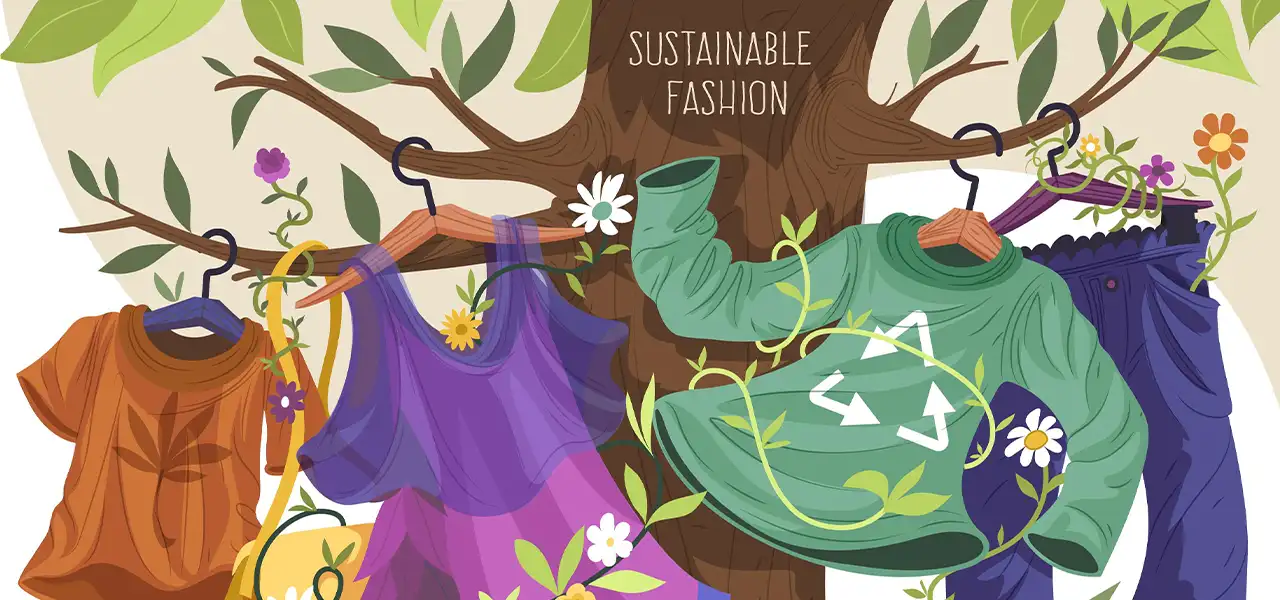
The most compelling argument for handcrafted fashion lies in its inherently lower environmental impact. Artisanal production methods, passed down through generations, minimize waste and resource consumption at every step.
1. Reduced Carbon and Energy Footprint
Fast fashion relies on heavy industrial machinery and long, globalized supply chains, resulting in massive energy consumption and carbon emissions. Handcrafted clothing, on the other hand, often utilizes sustainable fashion practices that are manual and require little to no electricity.
1. Handloom Weaving:
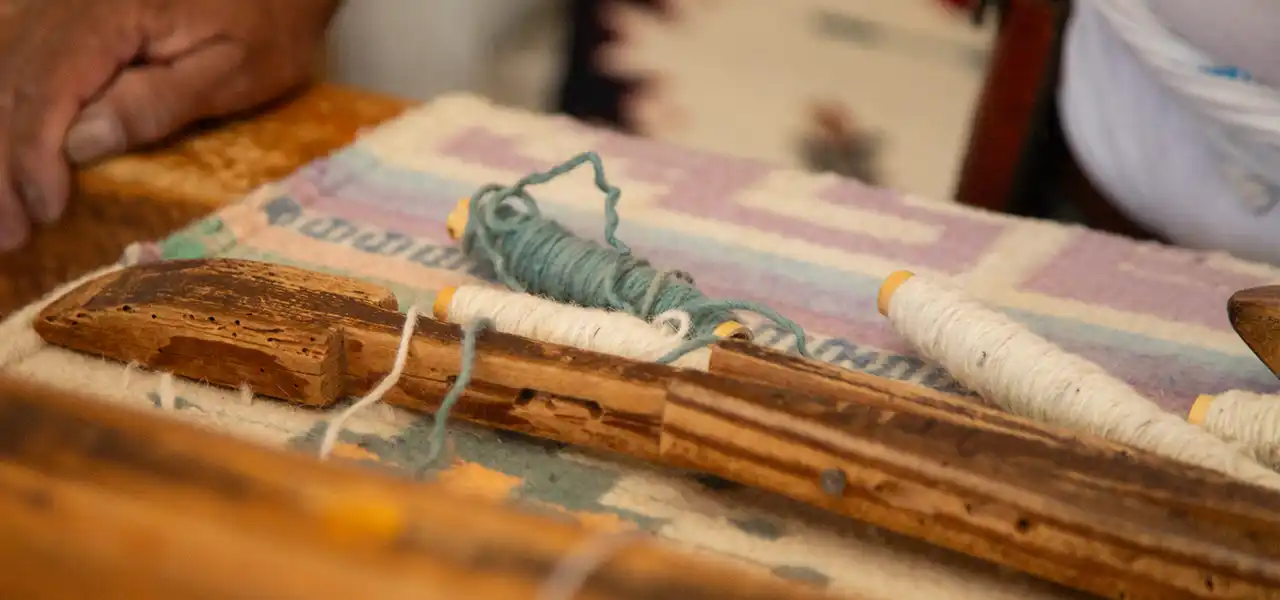
Weavers use non-motorized looms, relying solely on human power. This dramatically cuts the energy required for fabric production compared to mechanized power looms.
Weavers use non-motorized looms, relying solely on human power. This dramatically cuts the energy required for fabric production compared to mechanized power looms.
2. Local Sourcing:
Artisans frequently source sustainable materials like locally grown organic cotton or hemp, and traditional plant-based dyes. This limits the energy-intensive transportation required for global material shipping, reducing the overall carbon footprint.
Artisans frequently source sustainable materials like locally grown organic cotton or hemp, and traditional plant-based dyes. This limits the energy-intensive transportation required for global material shipping, reducing the overall carbon footprint.
2. Waste Reduction and Circularity
The precision and time invested in a handcrafted piece inherently promote a zero-waste philosophy.
1. Attention to Detail:
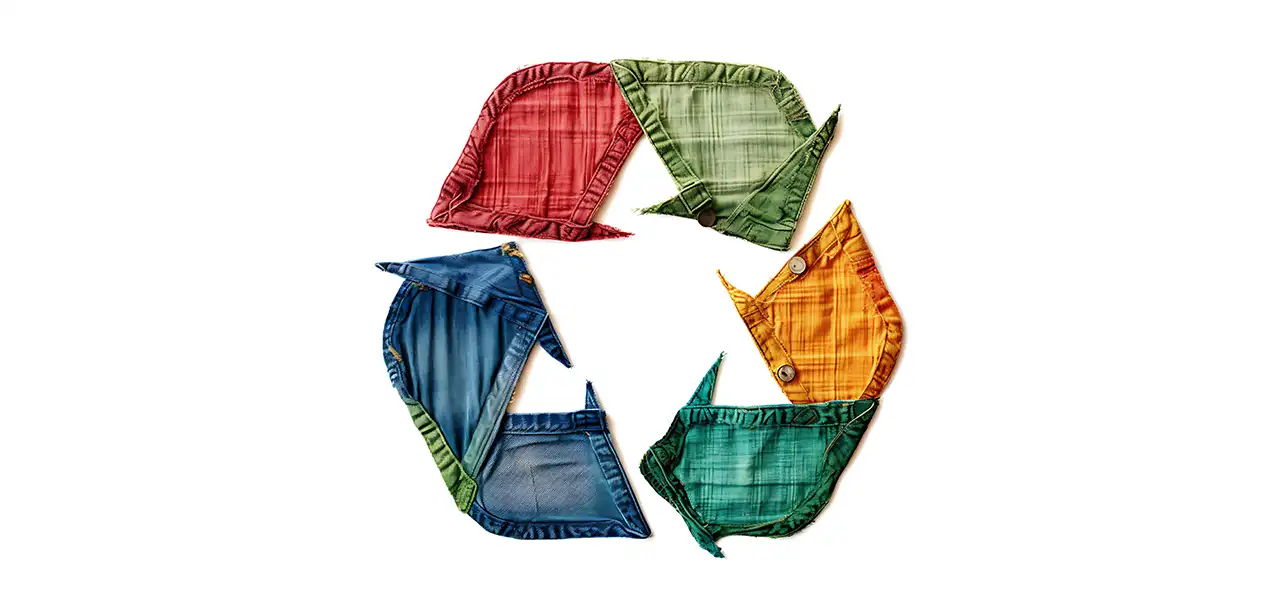
Artisans work with great care to maximize the use of every piece of fabric, often integrating off-cuts into patchwork or upcycled designs. This directly reduces the vast amounts of textile waste that clog landfills from industrial cutting rooms.
Artisans work with great care to maximize the use of every piece of fabric, often integrating off-cuts into patchwork or upcycled designs. This directly reduces the vast amounts of textile waste that clog landfills from industrial cutting rooms.
2. Durability and Longevity:
Hand-finished, high-quality garments are simply built to last. They are the antithesis of the disposable clothing promoted by fast fashion. This focus on durability and quality aligns perfectly with a sustainable lifestyle, as it reduces the frequency of consumption.
Hand-finished, high-quality garments are simply built to last. They are the antithesis of the disposable clothing promoted by fast fashion. This focus on durability and quality aligns perfectly with a sustainable lifestyle, as it reduces the frequency of consumption.
3. Pure and Natural Processes
Many traditional techniques champion the use of natural, sustainable fashion fabrics and dyes:
1. Natural Dyeing:
Techniques like hand block printing and vegetable dyeing utilize natural pigments from plants, fruits, and minerals. Unlike the chemical-laden synthetic dyes used in mass production (which are a major source of water pollution), natural dyes are biodegradable and significantly reduce chemical runoff into local water systems.
Techniques like hand block printing and vegetable dyeing utilize natural pigments from plants, fruits, and minerals. Unlike the chemical-laden synthetic dyes used in mass production (which are a major source of water pollution), natural dyes are biodegradable and significantly reduce chemical runoff into local water systems.
Social Empowerment: The Heart of Ethical Fashion
The ‘ethical’ in Ethical fashion is arguably best represented by the artisan economy. Handcrafted clothing is not just about environmental benefit; it’s about shifting the social contract.
1. Fair Wages and Artisan Empowerment
In the fast fashion model, the focus on cost reduction often results in exploitative labor practices, with workers paid meager wages in unsafe conditions.
1. Transparency and Fair Trade:
Handcrafted goods are typically produced in small, community-based settings, allowing for greater transparency and direct relationships between brands and makers. This structure is essential for upholding Fair Trade principles, ensuring that artisans, often skilled women in rural communities, receive fair wages and safe working environments.
Handcrafted goods are typically produced in small, community-based settings, allowing for greater transparency and direct relationships between brands and makers. This structure is essential for upholding Fair Trade principles, ensuring that artisans, often skilled women in rural communities, receive fair wages and safe working environments.
2. Sustaining Livelihoods:
By supporting artisans, consumers contribute directly to the economic empowerment of local communities, preserving their livelihoods and helping to break the cycle of poverty often associated with textile production in developing nations, including the sustainable clothing in India sector.
By supporting artisans, consumers contribute directly to the economic empowerment of local communities, preserving their livelihoods and helping to break the cycle of poverty often associated with textile production in developing nations, including the sustainable clothing in India sector.
2. Preservation of Cultural Heritage
Traditional crafts are a repository of cultural history and complex, age-old skills.
• Craft as Heritage:
Techniques like hand block printing, Kantha embroidery, or specialized regional weaving styles (e.g., Ikat, Mangalagiri cotton) are vital cultural assets. Mass production threatens to make these crafts redundant. When consumers choose handcrafted clothing, they are financially supporting the continuity of these skills, ensuring they are passed down to the next generation.
Techniques like hand block printing, Kantha embroidery, or specialized regional weaving styles (e.g., Ikat, Mangalagiri cotton) are vital cultural assets. Mass production threatens to make these crafts redundant. When consumers choose handcrafted clothing, they are financially supporting the continuity of these skills, ensuring they are passed down to the next generation.
Customization and Innovation: The Future of Luxury
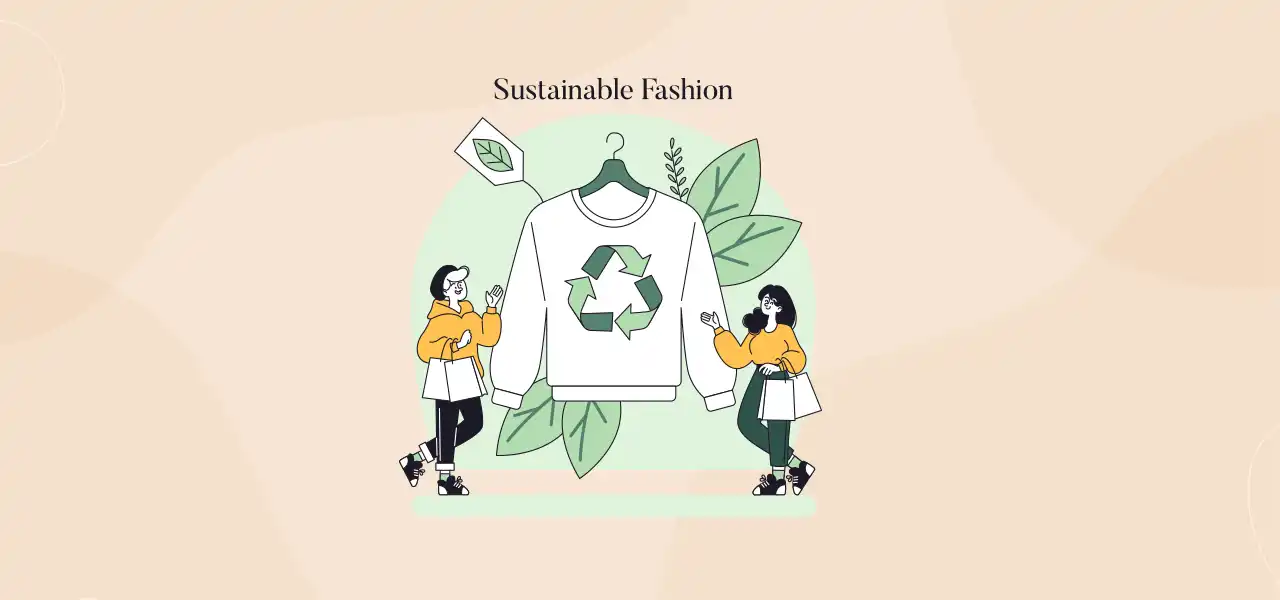
The demand for unique, meaningful, and responsible products is driving the market. As the global sustainable fashion market size continues its upward trend, consumers are realizing that true luxury lies in the story, the skill, and the longevity of a garment.
1. Bespoke and Unique Pieces:
Handcrafted fashion offers a path to unique style. Each item has minor variations that celebrate its human origin, making the wearer feel connected to the garment’s story, a quality that mass-produced goods can never replicate.
Handcrafted fashion offers a path to unique style. Each item has minor variations that celebrate its human origin, making the wearer feel connected to the garment’s story, a quality that mass-produced goods can never replicate.
2. Slow-Batch Production:
Artisans often work on a made-to-order or small-batch basis. This business model is perfectly aligned with sustainable practices, as it eliminates the massive inventory and overproduction that characterize fast fashion and lead to immense waste.
Artisans often work on a made-to-order or small-batch basis. This business model is perfectly aligned with sustainable practices, as it eliminates the massive inventory and overproduction that characterize fast fashion and lead to immense waste.
Handcrafted clothing is more than an aesthetic preference; it is an economic and ecological blueprint for the future. By choosing the work of an artisan, you are making an investment, in quality, in the planet, and in the people who clothe us. It is the mindful choice that transforms a wardrobe from a collection of disposable goods into a treasure trove of stories, ethics, and sustainability.
FAQ's
It is the movement to create clothing in an environmentally and socially responsible way. It prioritizes eco-friendly materials, fair labor, and practices that minimize waste and pollution across the entire garment life cycle.
Slow fashion is a mindset that counters fast fashion by advocating for mindful consumption. It prioritizes buying fewer, high-quality, durable garments, valuing craftsmanship and longevity over fleeting trends and disposable clothing.
Fast fashion is cheap, mass-produced, and trend-driven, leading to immense waste and exploitation. Slow fashion is the opposite, focusing on quality, durability, ethical production, and a reduced consumption cycle.
The conventional fashion industry is a major polluter, consuming vast water resources and generating significant textile waste and carbon emissions. Sustainable fashion is crucial to mitigate this damage and ensure Ethical fashion for workers.
By using organic and recycled materials, sustainable fashion reduces water pollution from chemical dyes and lessens landfill waste. It also lowers the industry’s massive carbon footprint through conscious production.
Currently, the mainstream fashion industry is highly unsustainable, driven by the fast fashion model. While the sustainable fashion market size is growing, most production still contributes heavily to pollution and social exploitation.
Materials with low water and pesticide needs are best. Top choices include organic cotton, hemp, linen, and innovative fabrics like Tencel™ Lyocell. Recycled clothing fibers are also excellent for circularity.
Eco-friendliness varies, but organic hemp and linen are highly ranked as they require minimal water and zero pesticides to grow. Recycled polyester (rPET) is also eco-friendly for diverting plastic waste.
Related BLOG
Follow Us