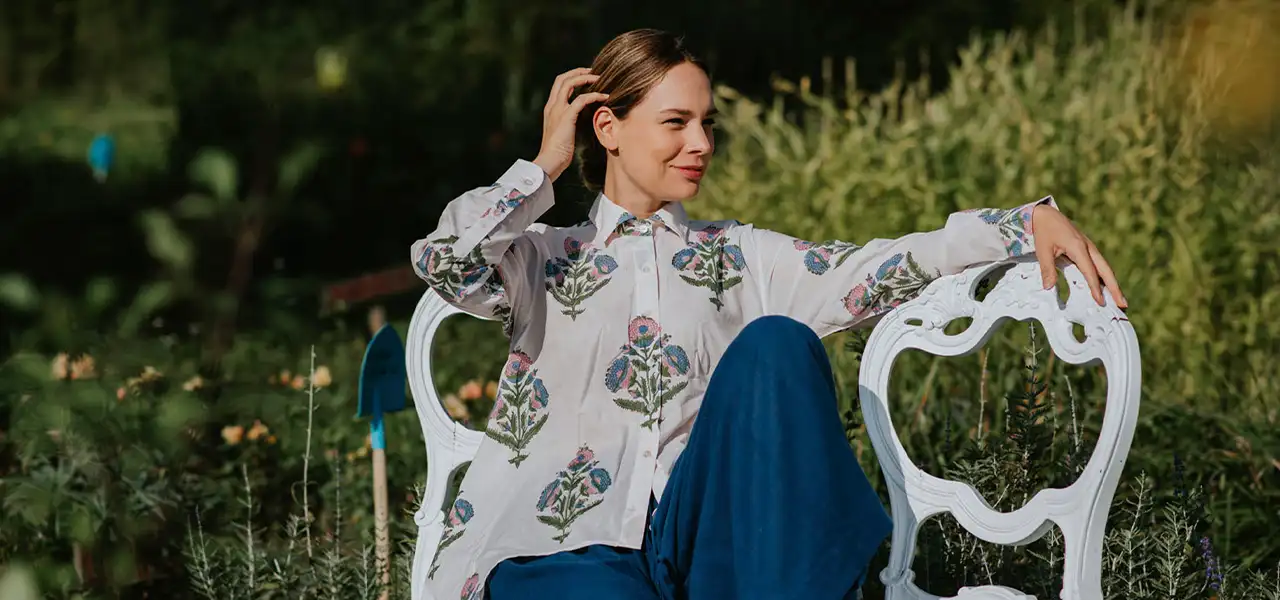




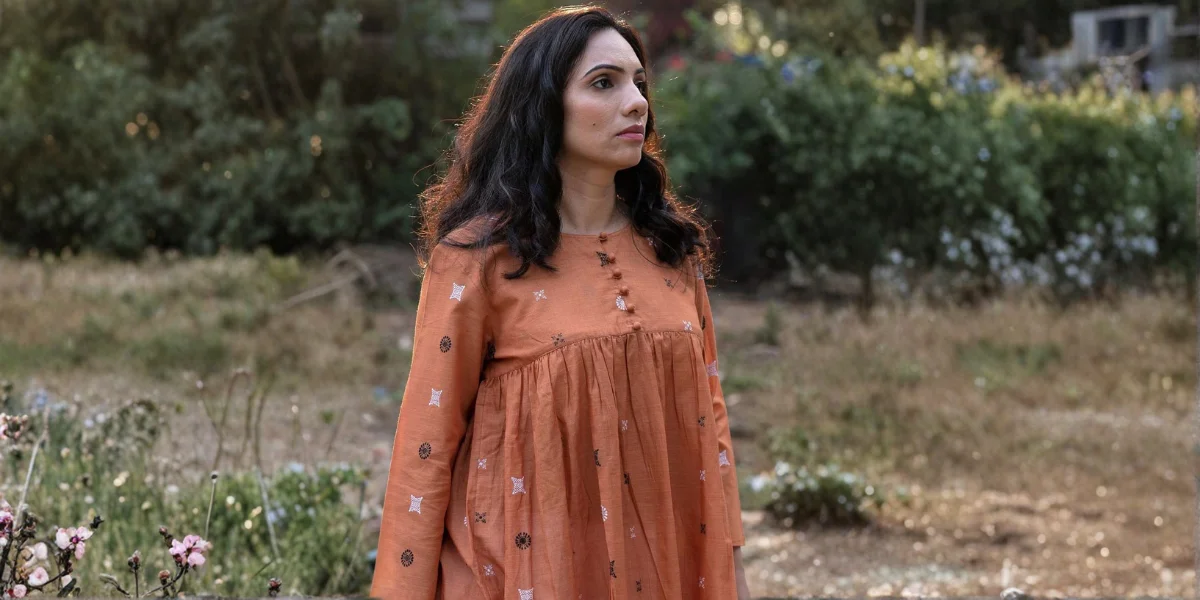
Jamdani Tops
Choosing Jamdani Tops means investing in a “woven dream” that blends history with modern style. Originally known as Muslin, these garments are essential pieces in any jamdani collection, offering a unique airy feel. Whether you are looking for a casual jamdani skirt top or a formal tunic, the jamdani fabric ensures you stand out. This jamdani material is not just clothing; it is a piece of art that brings timeless elegance and breathable luxury to your contemporary wardrobe.
Jamdani Technique
The Jamdani technique is what sets this fabric apart from machine-made imitations. Unlike standard prints, the jamdani design is woven directly into the base using a supplemental weft. This labor-intensive jamdani technique involves artisans hand-stitching patterns thread-by-thread while the fabric is still on the loom. By understanding about jamdani, you appreciate the precision required to ensure the jamdani motifs appear to float on the surface, a hallmark of this UNESCO-protected craft and heritage.
Jamdani Cotton Tops
For those seeking comfort without sacrificing style, jamdani cotton tops are the perfect choice. Made from high-quality jamdani cotton fabric, these pieces are exceptionally lightweight and ideal for warmer climates. The natural fibers used in jamdani cotton tops provide a soft texture that feels like a second skin. These jamdani clothes are versatile enough for daily wear or office settings, proving that traditional jamdani types can effortlessly meet the needs of a modern, fast-paced lifestyle.
Jamdani Tops for Women
Modern jamdani tops for women have revolutionized ethnic fashion by introducing contemporary silhouettes like peplums, crop tops, and button-downs. Every piece in a jamdani collection is designed to highlight the delicate jamdani material while offering a flattering fit. These jamdani tops for women pair beautifully with everything from jeans to a jamdani skirt top, making them a flexible staple. Choosing these jamdani clothes supports sustainable fashion and ensures you own a garment with a truly unique, hand-crafted identity.
Jamdani Clothes
Investing in jamdani clothes is a commitment to “slow fashion” and ethical craftsmanship. From a simple tunic to a complex jamdani skirt top, these garments showcase the diversity of jamdani types available today. Because jamdani clothes are hand-woven, no two items are exactly the same, giving your style an exclusive edge. The durability of jamdani cotton fabric ensures your favorite pieces last for years, maintaining the integrity of the jamdani design and the stories woven into every single thread.
Jamdani Weaving
Authentic Jamdani Weaving is a rhythmic, manual process that requires no electricity, making it an eco-friendly choice for conscious consumers. Artisans use a small bamboo needle called a kandur to guide the thread, creating a jamdani design that is embedded within the warp. This traditional Jamdani Weaving method creates a translucent effect that is impossible for machines to replicate. By wearing these jamdani clothes, you help preserve the livelihoods of weavers who have mastered this ancient and complex skill.
Jamdani Motifs
Every jamdani motif carries a deep cultural meaning, often inspired by the natural world or geometric symmetry. Common jamdani motifs like the Butidar (floral sprays) or Panna Hazara (thousand emeralds) add a layer of storytelling to your jamdani collection. These patterns are the soul of the jamdani fabric, distinguishing genuine handloom from mass-produced items. When you inspect jamdani tops for women, the clarity and placement of each jamdani motif serve as a testament to the weaver’s incredible mental map.
Jamdani Design
The evolution of jamdani design has seen traditional patterns meet modern aesthetics. Today’s jamdani design focuses on minimalist layouts and bold colors that appeal to a global audience. Whether it is a subtle pattern on jamdani cotton tops or an intricate border on a jamdani skirt top, the design remains the focal point of the garment. By exploring different jamdani types, you can find a jamdani design that resonates with your personal style while celebrating the rich heritage of this iconic fabric.
To understand the true essence of about Jamdani, one must look beyond the threads; it is a “woven dream.” Historically known as Muslin, this ancient weaving technique from Bangladesh and West Bengal, India, represents the pinnacle of handloom textile heritage.
Today, Jamdani clothes have evolved far beyond the traditional saree. Modern Jamdani tops have transitioned into contemporary wardrobes, offering a blend of ethereal lightness and sophisticated craftsmanship that suits the global fashion stage. In this guide, we explore the intricate world of Jamdani clothes, from the rhythmic clack of the loom to the modern silhouettes defining today’s “slow fashion” trends.
The Magic of the Jamdani Technique: Discontinuous Weft
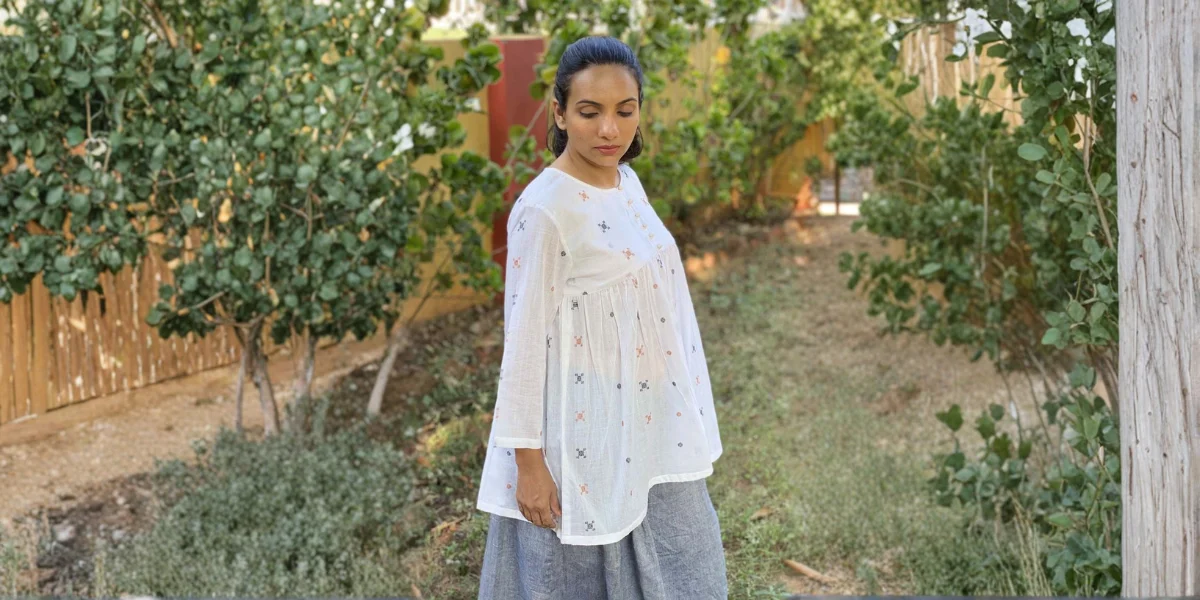
Unlike modern machine prints, the patterns on Jamdani tops are woven directly into the fabric. This is achieved through the intricate Jamdani technique known as the “discontinuous weft.” Whether you are wearing breezy jamdani cotton tops or silk variations, the process remains a labor of love.
1. The Tool:
Artisans use a small bamboo or bone needle called a kandur.
2. The Process:
Every single jamdani motif is added by hand, thread by thread, as the fabric is being woven. This specialized Jamdani technique requires immense precision and patience.
3. The Result:
The complex jamdani motifs appear to float on the surface of the sheer fabric. Because the design is woven in, the back of a Jamdani garment is almost as neat as the front, a hallmark of authentic handloom craftsmanship.
Iconic Jamdani Designs and Motifs
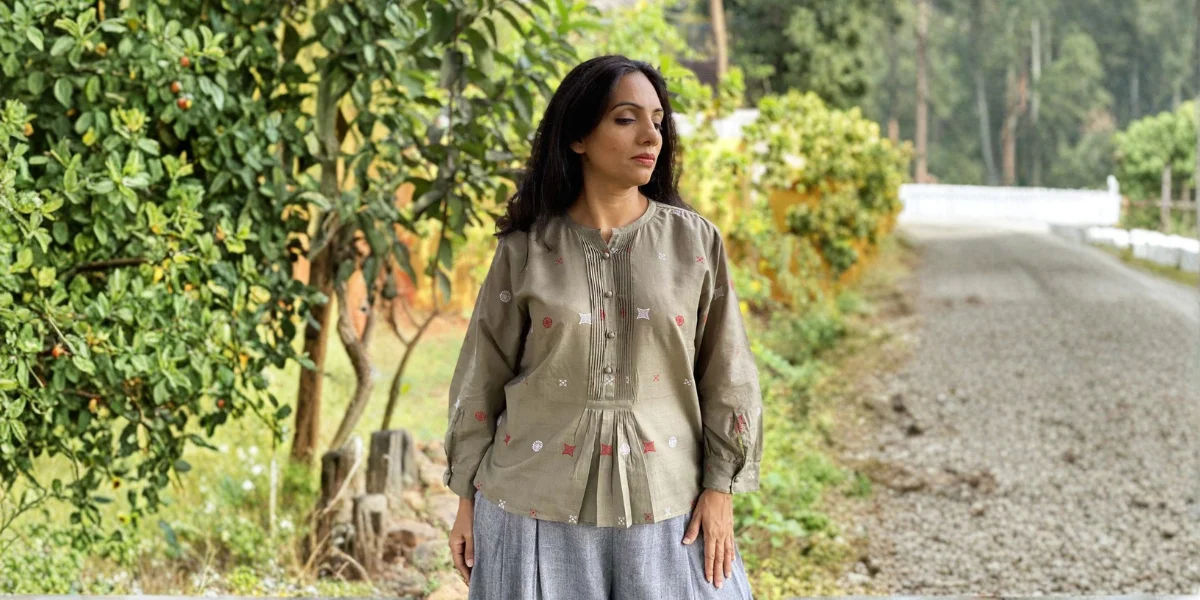
Jamdani designs are deeply rooted in nature and geometry. When shopping for Jamdani cotton tops, you will often encounter these classic Jamdani motifs:
1. Butidar:
Small, scattered floral sprays.
2. Tercha:
Diagonally arranged floral patterns.
3. Jhalar:
A network of floral motifs covering the entire body.
4. Panna Hazara:
A “thousand emeralds” pattern, featuring a dense grid of motifs.
5. Dubli:
Geometric patterns inspired by water droplets or seeds.
In modern Jamdani tops, designers are scaling these traditional motifs to create bold, minimalist aesthetics that suit Western and Indo-Western cuts.
The Jamdani Cotton Fabric: Breathable Luxury
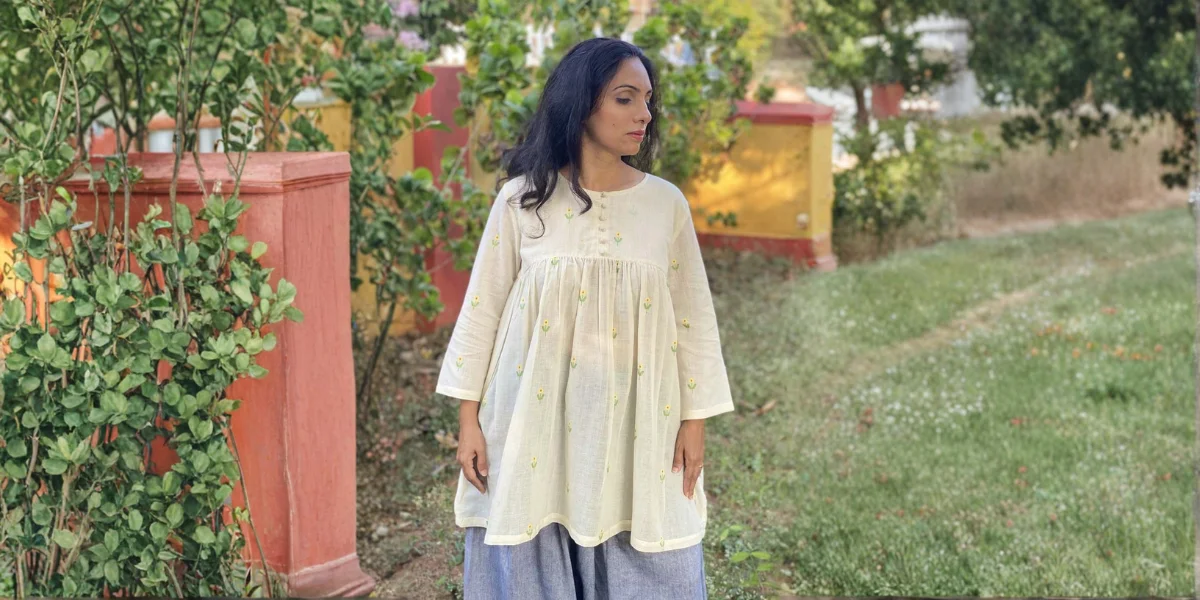
The soul of a Jamdani top lies in its breathability. Traditionally made from high-quality fine cotton (Muslin), modern variations include:
1. Cotton Jamdani:
The most popular choice for tops. It is lightweight, airy, and perfect for humid climates.
2. Silk Jamdani:
Offers a subtle sheen and a more structured drape, ideal for evening wear or formal tunics.
3. Cotton-Silk Blends:
Provides the comfort of cotton with the elegant “fall” of silk.
The sheer nature of the fabric creates a layered look that is both modest and alluring, making it a favorite for “slow fashion” enthusiasts.
4. The Artisans: Guardians of a UNESCO Heritage
In 2013, the traditional art of Jamdani weaving was declared a UNESCO Intangible Cultural Heritage of Humanity.
This craft is a labor of love. A single Jamdani top can take anywhere from three days to two weeks to weave, depending on the complexity of the design. The artisans often work in pairs on a pit loom, following a “mental map” of the design rather than a printed pattern. Supporting Jamdani tops means supporting a community of skilled weavers who are keeping a centuries-old tradition alive in the face of fast-fashion industrialization.
Why Every Wardrobe Needs a Jamdani Cotton Top
If you are looking for a commercial-grade addition to your closet, here is why Jamdani top is a smart investment:
1. Sustainable Fashion:
Handloomed fabrics have a near-zero carbon footprint.
2. Versatility:
A white Jamdani peplum top pairs perfectly with blue denim, while a dark, patterned Jamdani tunic works beautifully with silk trousers.
3. Ageless Appeal:
The delicate texture appeals to Gen Z’s “cottagecore” aesthetic and the sophisticated tastes of mature fashionistas alike.
4. Unique Identity:
No two hand-woven Jamdani tops are identical. You are wearing a unique piece of art.
How to Identify Authentic Jamdani
When purchasing online or in-store, keep these tips in mind to ensure you are getting a genuine hand-woven piece:
Feature | Authentic Hand-Woven Jamdani | Machine-Made Imitation |
Reverse Side | Smooth, with threads integrated into the weave. | Messy, with hanging threads or "clipped" ends. |
Feel | Extremely soft and lightweight. | Can feel slightly stiff or synthetic. |
Edges of Motifs | Slightly irregular, showing the hand-crafted nature. | Perfectly uniform and repetitive. |
Price | Reflects the days of manual labor involved. | Significantly cheaper. |
Caring for Your Jamdani tops
To preserve the delicate threads of your Jamdani top:
1. Dry Clean Only:
Especially for the first few washes to maintain the integrity of the motifs.
2. Hand Wash with Care:
Use cold water and a mild detergent if necessary. Never wring the fabric.
3. Store Properly:
Wrap in a muslin cloth and store in a cool, dry place away from direct sunlight to prevent fading.
Summary: The Timeless Allure
Jamdani tops are the perfect marriage of history and modern style. Whether it’s the airy comfort of the fabric or the intricate stories woven into the patterns, these jamdani tops for women offer a level of luxury that machines simply cannot replicate. By choosing Jamdani, you aren’t just buying a shirt you’re preserving an art form.
FAQ's
The primary difference lies in the Jamdani technique. While printed tops have patterns stamped onto the surface, Jamdani tops feature designs that are woven directly into the fabric. Using a discontinuous weft, artisans manually add every jamdani motif during the weaving process. This results in a design that is part of the fabric’s soul, not just an addition to its surface.
Traditional jamdani cotton fabric is known for its sheer, translucent quality, often referred to as “woven air.” Because of this, many Jamdani tops are designed to be worn with a camisole or feature a soft inner lining. However, denser jamdani types or silk-blends offer more opacity while maintaining that signature lightweight feel.
When you buy jamdani clothes, you are paying for intensive manual labor and heritage. A single jamdani design can take weeks to complete because every jamdani motif is hand-stitched on the loom without the help of machines. This slow fashion approach ensures high quality, sustainability, and a unique identity for every garment.
Absolutely! A jamdani skirt top set is a perfect example of Indo-Western elegance. The intricate jamdani weaving and subtle sheen of the fabric make it sophisticated enough for weddings, galleries, or formal dinners. Pair it with statement jewelry to highlight the artisanal jamdani material.
Like most high-quality jamdani cotton fabric, a slight shrinkage of 2-3% may occur during the first wash. To minimize this, always wash your jamdani clothes in cold water and avoid using a tumble dryer. For the best results, professional dry cleaning is recommended for the first few cleans.
To verify the jamdani technique, turn the garment inside out. On authentic Jamdani tops, the motifs will look almost as neat on the back as they do on the front. If you see messy, long hanging threads or a “clipped” look, it is likely a machine-made imitation rather than genuine jamdani weaving
Yes! Choosing about Jamdani is a vote for the environment. The jamdani technique relies on handlooms that require no electricity, uses natural fibers like cotton and silk, and supports rural artisan communities, making it a cornerstone of ethical fashion.