


The Fabric of the Future: Embracing Sustainable Materials in Fashion
The Fabric of the Future: Embracing Sustainable Materials in Fashion
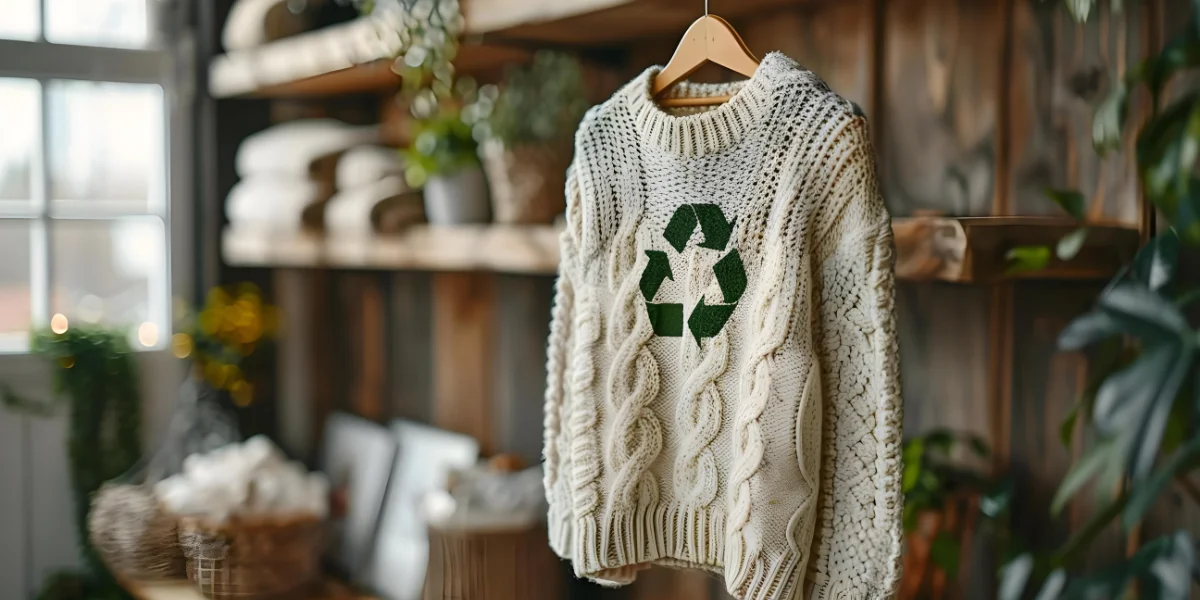
The global fashion industry is at a crossroads. For decades, the relentless cycle of fast fashion, driven by cheap, disposable garments, has taken a heavy toll on our planet and people. However, a seismic shift is underway. Consumers are increasingly demanding accountability, and the industry is slowly but surely weaving Sustainability and fashion into a new narrative, placing the focus squarely on sustainable materials used in fashion and Ethical fashion practices.
This blog post explores the revolution of sustainable fabrics, the burgeoning sustainable fashion industry, and how your conscious choices contribute to a more sustainable lifestyle.
1. The Imperative for Change: Why Sustainable Clothing Matters
The traditional fashion model, often described as “take-make-dispose,” is inherently unsustainable. It relies on vast amounts of virgin resources, emits huge quantities of greenhouse gases, pollutes waterways with toxic dyes, and creates mountains of textile waste.
Sustainable clothing is the antidote. It is a comprehensive approach to the design, production, and consumption of apparel that prioritizes environmental stewardship and social responsibility. It addresses everything from water usage and chemical pollution to fair labor and the end-of-life of a garment.
The sheer scale of this movement is reflected in the market. The global sustainable fashion market size is expanding rapidly, demonstrating that sustainable practices are not just a trend but a viable economic model. For instance, the Indian Sustainable Fashion Market reached an estimated USD 272.51 Million in 2024 and is projected to reach USD 1599.12 Million by 2033, growing at a CAGR of nearly 22%. This underscores a growing local appetite for sustainable clothing in India.
2. The Core: Revolutionary Sustainable Fashion Materials
At the heart of sustainable fashion practices is the radical shift from conventional, resource-intensive fabrics to innovative, eco-friendly alternatives. These are the sustainable fashion materials that are changing the game:
A. Plant-Based and Natural Fibers
These fibers are grown with significantly less environmental impact than their conventional counterparts.
1. Organic Cotton:
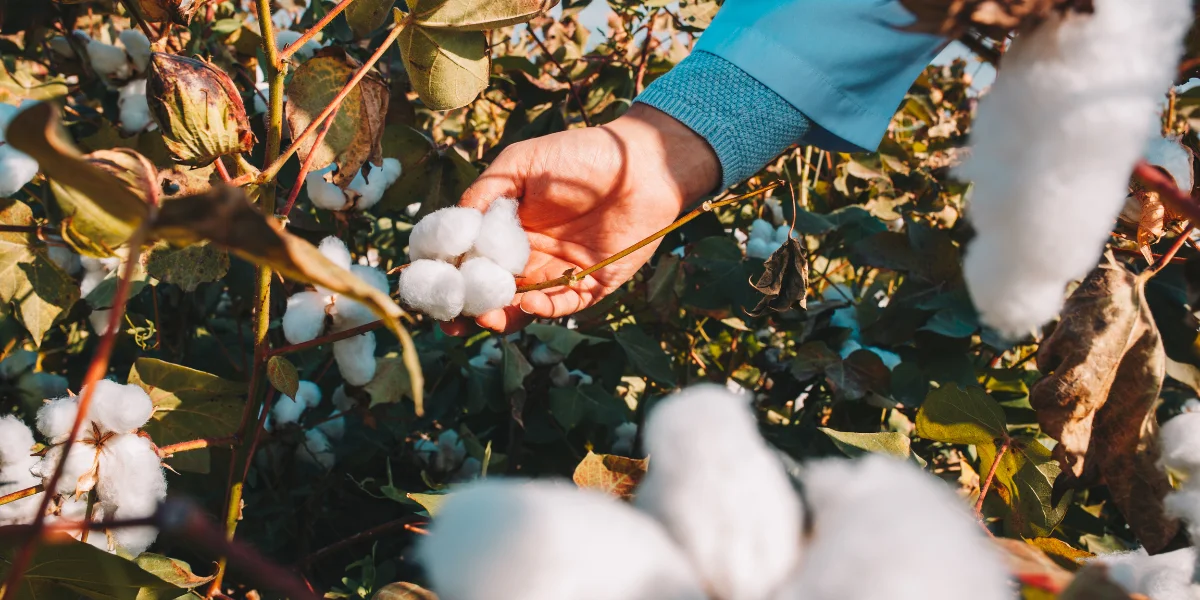
Unlike conventional cotton, which is grown using synthetic pesticides and fertilizers, organic cotton is cultivated without toxic chemicals, reducing water pollution and promoting soil health.
Unlike conventional cotton, which is grown using synthetic pesticides and fertilizers, organic cotton is cultivated without toxic chemicals, reducing water pollution and promoting soil health.
2. Hemp:
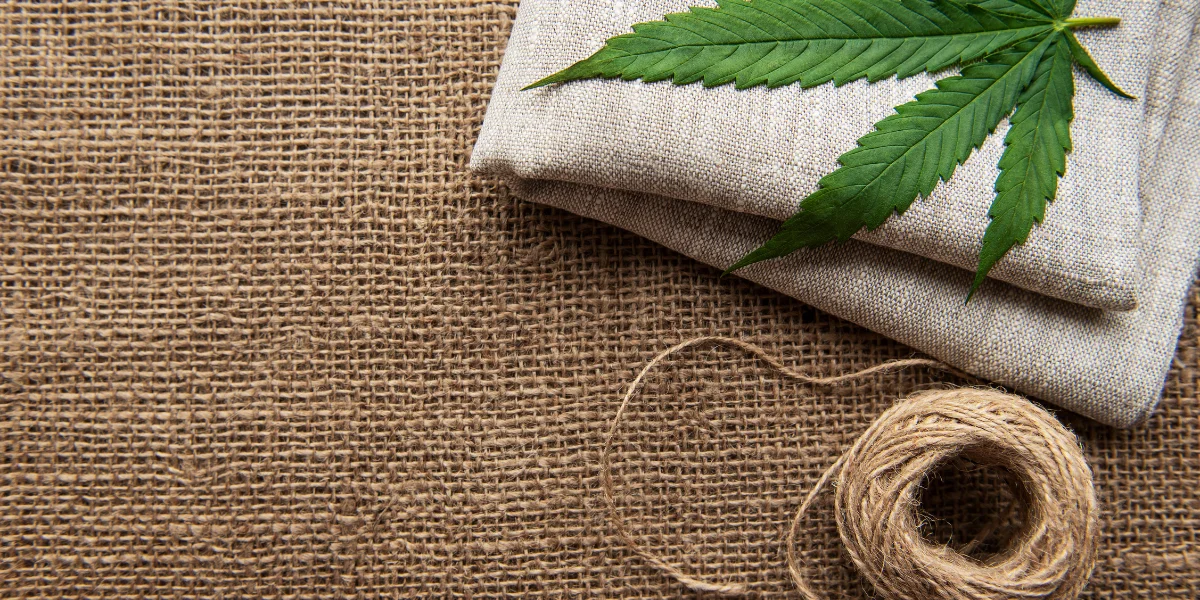
A highly sustainable crop, hemp is fast-growing, requires very little water, and naturally resists pests, eliminating the need for chemicals. It is known for its durability and strength, making it one of the best sustainable fabrics.
A highly sustainable crop, hemp is fast-growing, requires very little water, and naturally resists pests, eliminating the need for chemicals. It is known for its durability and strength, making it one of the best sustainable fabrics.
3. Linen (from Flax):
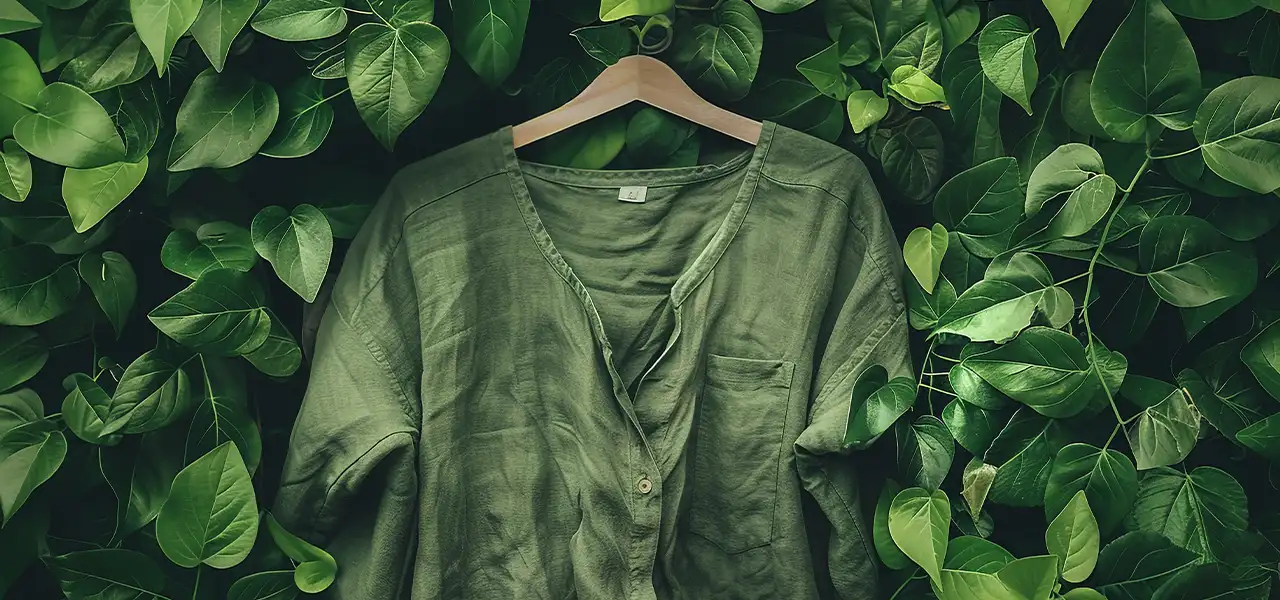
Made from the flax plant, linen is biodegradable, requires minimal water and pesticides, and is one of the most durable, natural, sustainable materials.
Made from the flax plant, linen is biodegradable, requires minimal water and pesticides, and is one of the most durable, natural, sustainable materials.
4. Lyocell (Tencel™):
This is a regenerated fiber made from sustainably harvested wood pulp (often eucalyptus). It is produced using a closed-loop system where up to 99% of the water and solvents are recycled, earning it a top spot among innovative sustainable fashion fabrics.
This is a regenerated fiber made from sustainably harvested wood pulp (often eucalyptus). It is produced using a closed-loop system where up to 99% of the water and solvents are recycled, earning it a top spot among innovative sustainable fashion fabrics.
B. Recycled and Regenerated Materials
To address the massive issue of textile and plastic waste, the industry is increasingly embracing circularity.
1. Recycled Polyester (rPET):
Made from recycled plastic bottles, rPET significantly reduces the need for virgin petroleum-based polyester, turning waste into wearable fabric. This is a common solution for introducing sustainable materials in fast fashion by large brands, though its wash-cycle microplastic shedding remains a concern.
Made from recycled plastic bottles, rPET significantly reduces the need for virgin petroleum-based polyester, turning waste into wearable fabric. This is a common solution for introducing sustainable materials in fast fashion by large brands, though its wash-cycle microplastic shedding remains a concern.
2. Recycled Cotton:
Created from pre- or post-consumer textile waste, recycled cotton saves huge amounts of water and energy by diverting discarded clothes and scraps from landfills.
Created from pre- or post-consumer textile waste, recycled cotton saves huge amounts of water and energy by diverting discarded clothes and scraps from landfills.
3. ECONYL®:
A remarkable regenerated nylon made from nylon waste like discarded fishing nets and fabric scraps from landfills. It offers the same quality as virgin nylon but with a drastically reduced environmental footprint.
A remarkable regenerated nylon made from nylon waste like discarded fishing nets and fabric scraps from landfills. It offers the same quality as virgin nylon but with a drastically reduced environmental footprint.
C. Innovative and Alternative Leathers
The search for cruelty-free, low-impact alternatives to animal and plastic-based leathers is yielding exciting results.
1. Piñatex:
A natural leather alternative made from the cellulose fibers of pineapple leaves, a by-product of the fruit harvest. This repurposes agricultural waste and provides a supple, durable material.
A natural leather alternative made from the cellulose fibers of pineapple leaves, a by-product of the fruit harvest. This repurposes agricultural waste and provides a supple, durable material.
2. Apple Leather:
Made using the waste from the apple juice industry.
Made using the waste from the apple juice industry.
3. Mushroom Leather (Mylo™):
Created from the root structure of mushrooms, this innovative material is biodegradable and offers a close alternative to animal leather.
Created from the root structure of mushrooms, this innovative material is biodegradable and offers a close alternative to animal leather.
3. Beyond the Fabric: The Pillars of Ethical Fashion
Ethical fashion extends the conversation beyond materials to encompass the entire supply chain and the well-being of the people involved. It is built on three crucial elements:
1. Fair Labor Practices:
Ensuring safe working conditions, fair wages, and the protection of workers’ rights globally.
Ensuring safe working conditions, fair wages, and the protection of workers’ rights globally.
2. Transparency and Traceability:
Brands must be able to verify and disclose where and how their materials are sourced and transformed.
Brands must be able to verify and disclose where and how their materials are sourced and transformed.
3. Circular Economy:
Moving away from the ‘use once and discard’ mentality. This includes designing for longevity, offering repair services, and implementing take-back programs for recycling and upcycling.
Moving away from the ‘use once and discard’ mentality. This includes designing for longevity, offering repair services, and implementing take-back programs for recycling and upcycling.
4. Navigating the Sustainable Fashion Marketplace
For the conscious consumer, engaging with the sustainable fashion marketplace is now easier than ever. You don’t have to compromise on style to live a sustainable lifestyle.
1. Sustainable Fashion Stores & Online Platforms:
Dedicated sustainable fashion stores and online marketplaces rigorously vet their brands based on ethical and environmental criteria (e.g., Fair Trade, vegan, low-waste).
Dedicated sustainable fashion stores and online marketplaces rigorously vet their brands based on ethical and environmental criteria (e.g., Fair Trade, vegan, low-waste).
2. Second-hand and Rental:
Embracing vintage, pre-owned, and rental services is perhaps the most sustainable choice, maximizing the lifespan of a garment.
Embracing vintage, pre-owned, and rental services is perhaps the most sustainable choice, maximizing the lifespan of a garment.
3. Sustainable Clothing Certifications:
Look for credible third-party certifications that verify a brand’s claims:
Look for credible third-party certifications that verify a brand’s claims:
A. GOTS (Global Organic Textile Standard):
The world’s leading standard for textiles made from organic fibers, covering ecological and social criteria.
The world’s leading standard for textiles made from organic fibers, covering ecological and social criteria.
B. OEKO-TEX®:
Ensures textiles are tested for harmful substances.
Ensures textiles are tested for harmful substances.
C. Fair Trade Certified:
Guarantees fair wages and community development funds for workers.
Guarantees fair wages and community development funds for workers.
D. B Corp Certification:
Measures a company’s entire social and environmental performance.
Measures a company’s entire social and environmental performance.
5. The Future: Sustainable Fashion Trends
The future of the sustainable fashion industry is defined by innovation and systemic change. Key sustainable fashion trends include:
1. Digital Product Passports:
Using technology like QR codes to give consumers instant access to an item’s journey, from raw material to finished product, driving greater transparency.
Using technology like QR codes to give consumers instant access to an item’s journey, from raw material to finished product, driving greater transparency.
2. Bio-fabrication:
The next generation of sustainable materials is being grown in labs, such as fabrics created from microbes or lab-grown silk, which could eliminate agricultural inputs altogether.
The next generation of sustainable materials is being grown in labs, such as fabrics created from microbes or lab-grown silk, which could eliminate agricultural inputs altogether.
3. On-Demand and Low-Inventory Models:
Producing only what is ordered to radically reduce overstock and waste.
Producing only what is ordered to radically reduce overstock and waste.
The journey toward a fully sustainable fashion industry is ongoing. Every time you choose a garment made from sustainable materials used in fashion, you are casting a vote for a greener planet and fairer labor practices. It’s time to move beyond the superficial trends and invest in clothing that’s not just stylish but truly significant.
FAQ's
These materials are sourced, produced, and processed with minimal environmental impact. Examples include natural fibers like organic cotton, hemp, and linen, and recycled materials such as rPET and regenerated nylon, reducing resource depletion and waste.
It addresses the massive pollution, excessive waste, and water consumption caused by the conventional fashion industry. It promotes ethical labor, circularity, and durability, ensuring that clothing production does not harm people or the planet.
Sustainable manufacturing is needed to drastically reduce carbon emissions, toxic chemical use, and water pollution in factories. It focuses on using renewable energy, closed-loop systems, and fair labor practices to create an ethical supply chain.
Sustainable clothing uses materials like organic cotton, TENCEL™ Lyocell (made from wood pulp), organic linen, hemp, and recycled fabrics (e.g., recycled polyester, ECONYL®). These minimize the use of pesticides, water, and virgin fossil fuels.
It is made of low-impact or regenerated fibers, often utilizing natural or plant-based resources. These include durable, biodegradable options like hemp and linen, or innovative materials like Piñatex (pineapple leather) and recycled waste.
There is no single “most” sustainable material, but Recycled Cotton and Hemp are highly rated. Recycled cotton reuses waste, and hemp requires minimal water or pesticides, making it an extremely low-impact, durable option.
Yes, fashion can be more sustainable by shifting to a circular model. This involves designing for longevity, promoting repair and resale, using only ethical/low-impact materials, and ensuring transparency and fair wages across the entire supply chain.
It is the practice of designing, producing, and distributing clothes while minimizing harm to the environment and society. This encompasses using sustainable materials, reducing resource consumption, minimizing waste, and ensuring ethical labor standards (fair wages, safe conditions).
It is the commitment to ecological integrity and social equity across all textile and garment processes. This includes adopting cleaner production technologies, using durable, non-toxic fibers, and adhering to strict ethical standards for all workers involved.