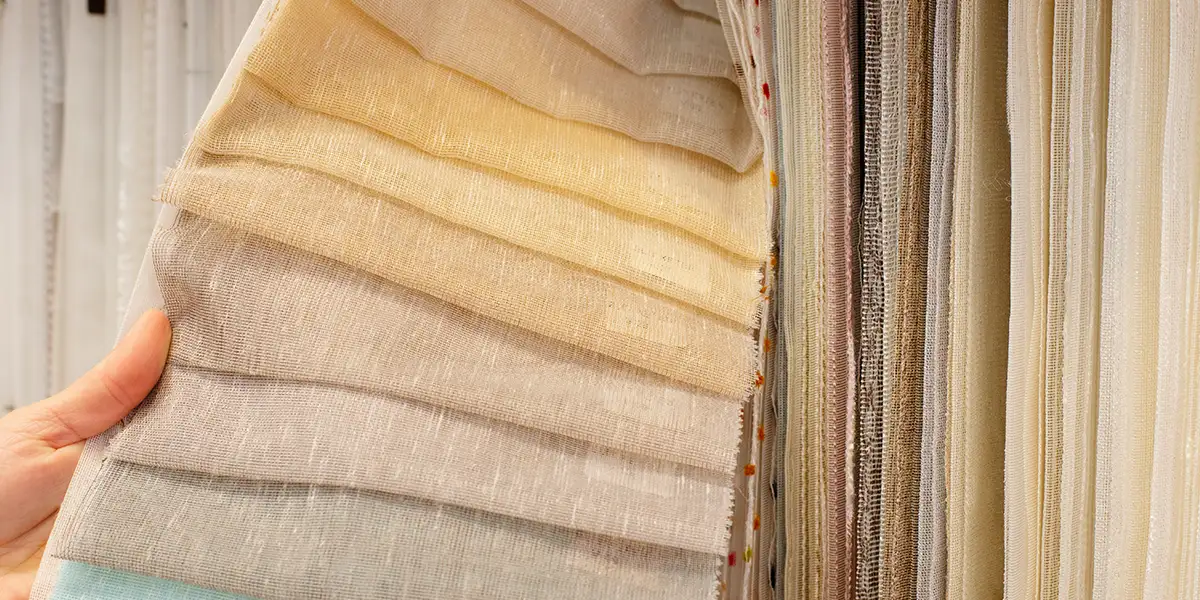
Linen, derived from the flax plant, has been a beloved fabric for millennia. Known for its breathability, durability, and distinctive texture,
linen fabric is an excellent choice for clothing, particularly in warmer climates.
Understanding the different types of linen fabric will help you choose the perfect material for your next sewing project or clothing purchase. From understanding linen origin to assessing linen quality, a little knowledge goes a long way.
Before we dive into the types, let’s quickly recap why linen is better than cotton in many situations and why the importance of linen is growing in the fashion world:
1. Breathability:
Linen fabric properties allow air to circulate freely, keeping you cool and comfortable. This makes it superior to many synthetic fabrics.
2. Durability:
Linen is one of the strongest natural fibers, making it resistant to wear and tear. It’s an investment in long-lasting clothing.
3. Moisture-wicking:
It absorbs moisture without feeling damp, making it ideal for hot weather.
4. Texture:
Linen has a distinctive, slightly textured appearance that adds character to garments.
5. Sustainability:
Flax requires fewer pesticides and fertilizers than many other crops, making linen a more
sustainable fabric choice. As consumers become more aware, organic linen fabric is gaining increasing popularity.
6. Gets Better with Age:
Linen softens and becomes more comfortable with each wash. This is a key advantage of linen fabric.
Now, let’s explore the different types of linen fabric commonly used for clothing:
a. Characteristics:
This is the most common type of linen. It has a simple over-under weave, resulting in a strong, durable fabric with a relatively tight weave. Plain-woven linen can vary in weight, from lightweight to heavy. The properties of linen are fully on display here – strength, breathability, and versatility.
b. Uses:
Suitable for a wide range of clothing items, including
shirts,
skirts,
dresses,
pants, and
jackets. Its versatility makes it a staple in many wardrobes.
c. Considerations:
May wrinkle more easily than some other linen types due to the tighter weave.
a. Characteristics:
Damask linen is characterized by its intricate woven patterns, often featuring floral or geometric designs. The patterns are created using a
Jacquard loom, which allows for complex weaving.
b. Uses:
Often used for more formal or decorative clothing items, such as blouses, dresses, and skirts. It can also be used for linings or accent pieces.
c. Considerations:
More expensive than plain-woven linen due to the complexity of the weaving process. Requires more careful handling and cleaning.
a. Characteristics:
As the name suggests,
loosely woven linen has a more open weave, making it sheer and lightweight. This type of linen is often almost transparent.
b. Uses:
Ideal for lightweight summer clothing, such as blouses, scarves, and dresses. It’s often used in layering to add texture and visual interest.
c. Considerations:
Requires lining or layering due to its transparency. More delicate than other linen types and may be prone to snagging.
a. Characteristics:
A very fine, lightweight, and semi-sheer linen fabric. It’s smoother than plain-woven linen and has a delicate drape.
b. Uses:
Used for delicate blouses, linings, baby clothes, and heirloom sewing projects.
c. Considerations:
It can be more challenging to sew with due to its delicate nature.
a. Characteristics:
Huckaback linen has a textured surface created by a special weaving technique. This texture makes it very absorbent.
b. Uses:
Less common in clothing, but can be used for durable workwear or items where absorbency is desired.
c. Considerations:
The texture can make it less comfortable against the skin for some people.
a. Characteristics:
A heavy, strong, and tightly woven linen fabric.
b. Uses:
Suitable for sturdy garments like jackets, structured skirts, and workwear.
c. Considerations:
Can be stiff initially but softens with washing.
a. Characteristics:
Linen can be treated with various finishes to alter its properties. These finishes can include:
• Softening:
To make the linen feel softer and more pliable.
• Wrinkle-resistant:
To reduce wrinkling. Note: While linen can be made more wrinkle-resistant, it will never be completely wrinkle-free.
• Mercerization:
This treatment can enhance the luster and strength of the fabric.
b. Uses:
Depending on the finish, finished linen can be used for a wide variety of clothing applications.
c. Considerations:
Be sure to check the care instructions for finished linen, as some finishes may require special cleaning.
When selecting linen fabric for your clothing project, consider the following:
1. The Garment Type:
What type of garment are you making? A lightweight blouse will require a different type of linen than a structured jacket. This impacts the type of
linen yarn used and the weave.
2. The Desired Drape:
Do you want a flowing, drapey fabric or something more structured?
3. The Occasion:
Is the garment for everyday wear or a special occasion?
4. Your Sewing Skill Level:
Some linen types, like linen batiste, can be more challenging to sew with.
5. Your Personal Preference:
Do you prefer a more textured look or a smoother finish?
6. Linen Quality:
Make sure to check the linen quality standards of the fabric before buying
Linen production varies across the globe. While the linen origin is in ancient times, today, countries like France, Belgium, and increasingly, India are significant producers. The types of linen fabric in India are also evolving to meet global demand, with a focus on organic linen fabric and sustainable practices. This increased production caters to the growing demand for both
men’s clothing and
women’s clothing made from this breathable and sustainable material. When buying linen cloth, consider the source and its environmental impact. Look for
certifications that guarantee organic cloth material and ethical production.
1. Pre-wash:
Always pre-wash linen fabric before sewing to account for shrinkage.
2. Use a Sharp Needle:
A sharp needle will prevent skipped stitches and fabric damage.
3. Press Carefully:
Linen wrinkles easily, so press frequently while sewing. Use steam for the best results.
4. Finish Seams:
Linen frays easily, so finish all seams with a serger or zigzag stitch.
5. Embrace the Wrinkles:
Part of the charm of linen is its natural wrinkles. Don’t try to iron it perfectly smooth.
Linen is a versatile and rewarding fabric to work with. By understanding the different types of linen fabric available, you can choose the perfect linen material for your next clothing project and enjoy the comfort and style that linen provides. From lightweight blouses to sturdy jackets, linen offers a range of possibilities for creating timeless and sustainable garments. So, embrace the natural beauty and unique characteristics of linen and elevate your wardrobe with this exceptional fabric. Consider the advantages of linen fabric, its sustainability, and its timeless appeal when making your next clothing choice.