


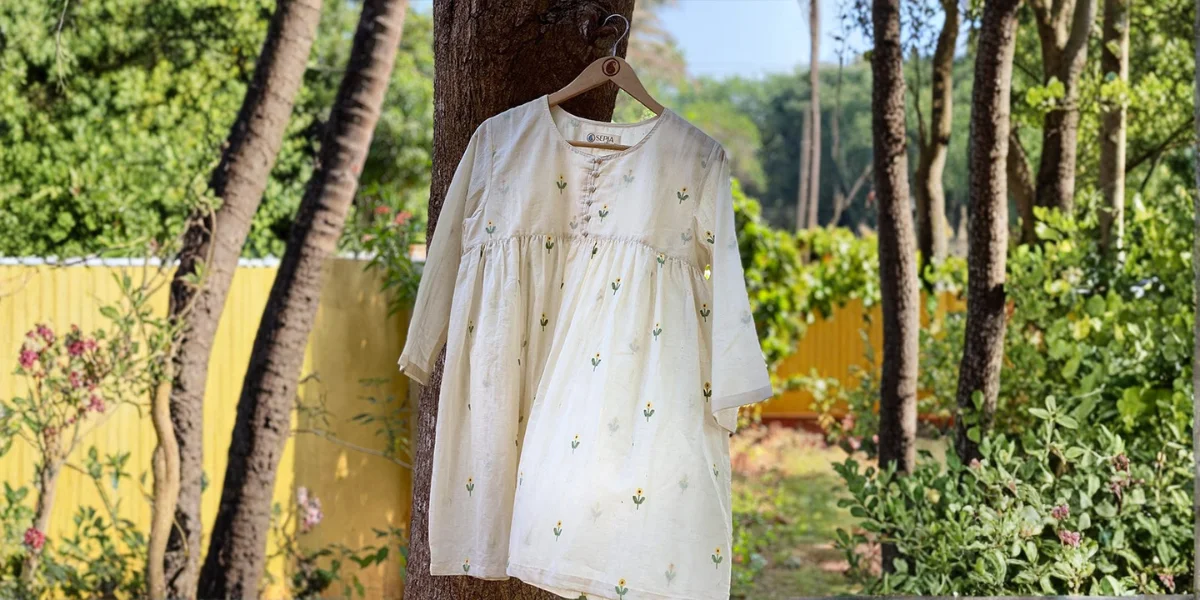
What is Sustainable Clothing Made Of? The Ultimate Guide to Eco-Friendly Fashion
What is Sustainable Clothing Made Of? The Ultimate Guide to Eco-Friendly Fashion
In an era where “fast fashion” cycles move faster than the seasons, the environmental cost of our wardrobes has become impossible to ignore. From massive water consumption to chemical runoff, the traditional textile industry is one of the world’s largest polluters. But there is a better way.
As a sustainable cotton clothing brand, we believe that style should never come at the cost of the planet. If you’ve ever wondered, “What is sustainable clothing made of?” or how to build an ethical fashion wardrobe, this guide is for you. We’ll explore the sustainable materials defining the future of fashion and how you can embrace a sustainable lifestyle through your clothing choices.
1. The Core of Eco-Fashion: Sustainable Materials Used in Fashion

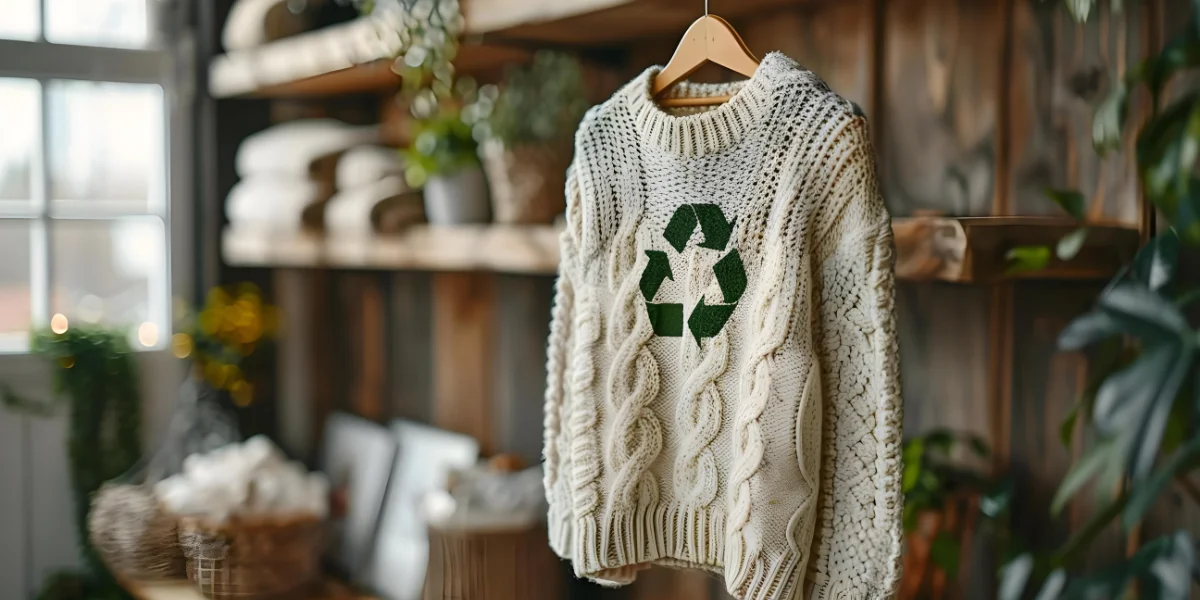
The journey to a certified sustainable garment begins with the raw fiber. Unlike synthetic fabrics (like virgin polyester or nylon), which are derived from petroleum, sustainable fabrics are sourced from nature or recycled waste.
Organic Cotton: The Gold Standard
Organic cotton is the backbone of organic clothing. Unlike conventional cotton, which uses 16% of the world’s insecticides, organic cotton is grown without toxic pesticides or synthetic fertilizers.
1. Water Savings:
It uses up to 91% less water than regular cotton.
2. Soil Health:
It promotes biodiversity and keeps the soil fertile for future generations.
2. Soil Health:
It promotes biodiversity and keeps the soil fertile for future generations.
3. Skin-Friendly:
Because it’s chemical-free, it’s hypoallergenic and perfect for sensitive skin, a hallmark of our men’s and women’s collections.
Hemp: The Earth's Super-Fiber
Hemp is one of the most sustainable materials on the planet. It requires very little water, grows incredibly fast, and actually nourishes the soil (phytoremediation). It is naturally UV-resistant and antimicrobial, making it a favorite in sustainable fashion stores.
Linen: Timeless and Low-Impact
Made from the flax plant, linen is durable, biodegradable, and requires almost no irrigation. It’s a staple for sustainable clothing in India due to its incredible breathability in tropical climates.
Tencel™ (Lyocell)
Derived from sustainably sourced wood pulp (usually eucalyptus), Tencel is produced in a “closed-loop” system where 99% of the water and solvents are recycled. It’s silky-smooth, moisture-wicking, and completely biodegradable.
2. Why Sustainability and Fashion Must Go Hand-in-Hand
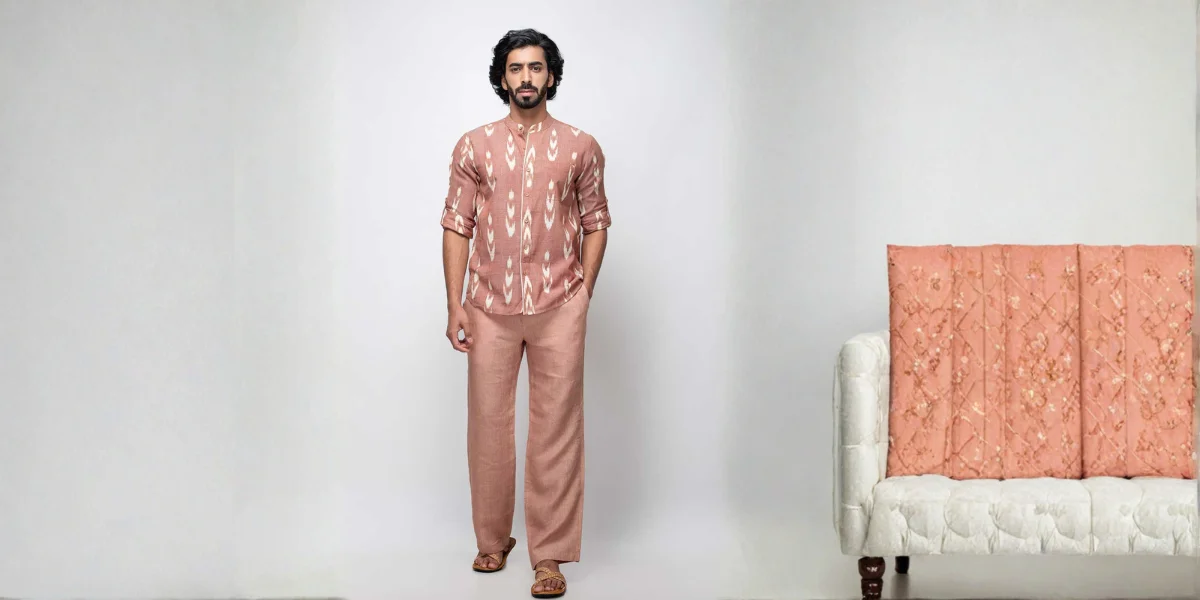
The relationship between sustainability and fashion is about more than just “green” labels; it’s about a circular economy. In a sustainable fashion marketplace, every piece of clothing is designed with its end-of-life in mind.
Sustainable clothing is made of natural, recycled, or regenerated fibers such as organic cotton, hemp, linen, and Tencel. These materials are produced using sustainable practices that Reduce water waste, eliminate toxic chemicals, and ensure ethical labor conditions.
3. Understanding Sustainable Clothing Certification

How do you know if a brand is truly “green” or just greenwashing? You look for a Sustainable Clothing Certification. These third-party seals guarantee that a brand follows strict environmental and social protocols.
Certification What it Guarantees
GOTS (Global Organic Textile Standard)
The highest standard for organic fibers, covering the entire supply chain from farm to factory.
OEKO-TEX® Standard 100
Ensures the finished fabric is free from harmful chemicals and safe for human use.
Fair Trade Certified™
Guarantees that the people who made your clothes were paid fair wages and worked in safe conditions.
GRS (Global Recycle Standard)
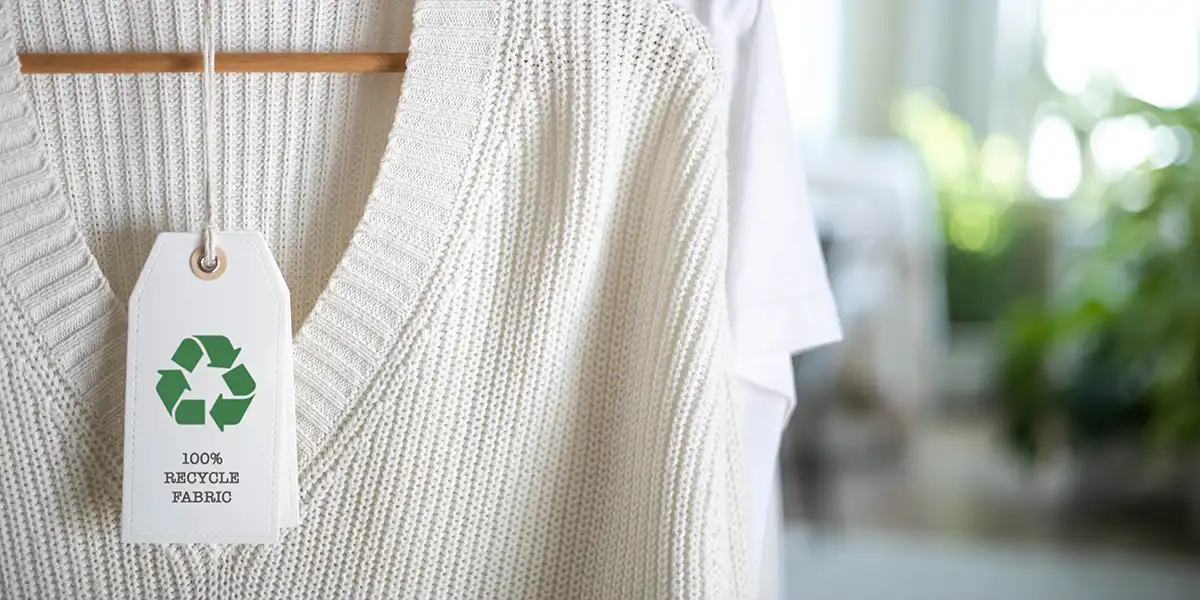
Verifies the recycled content in products and tracks it from source to final product.
By choosing a certified sustainable garment, you are voting for a cleaner planet and a more equitable textile industry.
4. Ethical Fashion: It's About the People, Too
Ethical fashion is the “social” pillar of sustainability. It ensures that the hands that stitch your shirts are treated with dignity. This includes:
1. Living wages (not just minimum wages).
2. Safe, ergonomic working environments.
3. No child or forced labor.
4. Empowerment of local artisans and communities.
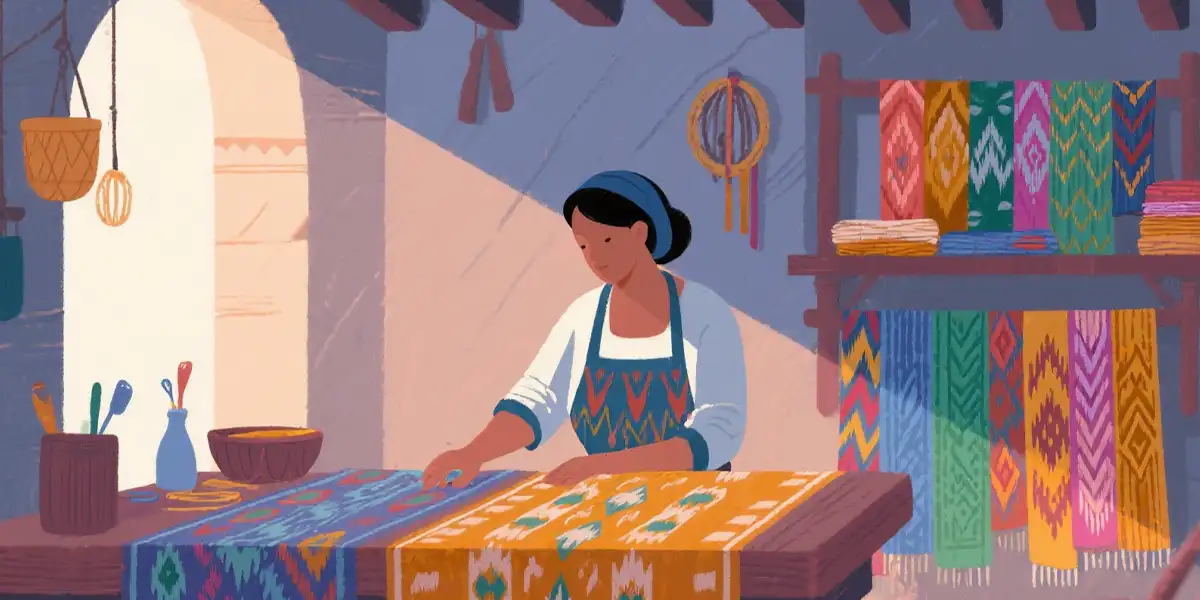
As a brand offering sustainable clothing in India, we take pride in bridging the gap between traditional craftsmanship and modern, ethical fashion standards.
5. How to Build a Sustainable Lifestyle via Your Wardrobe
Transitioning to a sustainable lifestyle doesn’t mean throwing away everything you own. It means being intentional about your next purchase.
1. Choose Quality Over Quantity:
One organic cotton t-shirt that lasts five years is better than five “fast fashion” shirts that shrink after one wash.
2. Shop at Sustainable Fashion Stores:
Support brands that are transparent about their supply chain.
3. Look for Versatility:
Our men’s and women’s collections focus on timeless designs that can be styled in multiple ways.
4. Care for Your Clothes:
Wash in cold water and air dry to extend the life of your sustainable fabrics.
6. Sustainable Clothing in India: A Growing Movement
India is uniquely positioned in the global sustainability and fashion landscape. With a rich history of handlooms and natural dyes, the shift toward sustainable clothing in India is a return to our roots. By choosing locally grown organic cotton and supporting domestic sustainable fashion stores, you the carbon footprint associated with long-distance shipping.
Summary: The Future is Green
Sustainable clothing is made of materials that respect the Earth and the people who inhabit it. Whether it is the softness of organic clothing or the innovation of recycled fibers, every choice we make as consumers sends a message to the industry.
We are proud to be part of this change, providing high-quality, certified sustainable garments for men and women who refuse to compromise on their values or their style.
FAQ's
Sustainable clothing is made of materials that have a minimal environmental and social impact throughout their lifecycle. This includes natural fibers like organic cotton, linen, and hemp, as well as recycled materials such as recycled polyester and nylon, and innovative low-impact materials like Lyocell. The focus is on sustainable materials used in fashion that are responsibly sourced and processed.
Many fabrics are considered sustainable fabrics due to their reduced environmental footprint. These include:
- Organic Cotton: Grown without harmful pesticides.
- Linen & Hemp: Require less water and pesticides than conventional cotton.
- Lyocell (Tencel™): Produced in a closed-loop system.
- Recycled Polyester & Nylon: Made from post-consumer waste.
- Piñatex: Innovative leather alternative from pineapple leaves.
No, organic clothing is a component of sustainable clothing, but not the whole picture. Organic clothing specifically refers to garments made from organically grown fibers (like GOTS-certified cotton). Sustainable clothing is a broader term that also encompasses ethical labor practices, water conservation, energy efficiency, waste reduction, and circular design principles throughout the entire supply chain.
To identify a truly sustainable clothing item, look for transparent branding that details the entire supply chain. Check for reputable Sustainable Clothing Certification labels like GOTS (Global Organic Textile Standard), Fair Trade, or OEKO-TEX. Research the brand’s commitment to Ethical fashion, sustainable practices, and their use of sustainable materials on their website or sustainable fashion marketplace profiles.
Certifications like GOTS or Fair Trade are crucial in sustainable fashion because they provide independent verification of a brand’s claims. They ensure that garments meet strict environmental and social criteria, from fiber cultivation to manufacturing processes. This transparency helps consumers trust that they are purchasing a certified sustainable garment and combats greenwashing.
Initially, sustainable clothing can sometimes have a higher upfront cost than fast fashion. This reflects the true cost of Ethical fashion, fair wages, higher quality sustainable materials, and eco-friendly manufacturing processes. However, these garments are often more durable and timeless, making them a more cost-effective and environmentally friendly investment in the long run, aligning with a sustainable lifestyle.
Ethical fashion primarily focuses on the human element: fair labor practices, safe working conditions, and social justice for garment workers. Sustainable fashion primarily focuses on environmental impact: eco-friendly materials, reduced pollution, and waste. While distinct, they are deeply intertwined and often overlap, as responsible sustainable practices typically include both aspects.
Fast fashion significantly hinders sustainability and fashion efforts by promoting rapid consumption, cheap production, and disposal. It relies on resource-intensive virgin materials, contributes heavily to textile waste, often exploits labor, and encourages a linear “take-make-dispose” model. This directly counteracts the goals of sustainable practices and Ethical fashion