



The Conscientious Wardrobe: Unraveling the Threads of Eco Friendly Fashion in India
The Conscientious Wardrobe: Unraveling the Threads of Eco Friendly Fashion in India
The hum of a sewing machine, the vibrant hues of natural dyes, and the softness of pure cotton are weaving a new narrative in the global fashion industry. It’s a story of change, responsibility, and conscious choices, where style and sustainability are no longer mutually exclusive. This is the era of Eco Friendly Fashion, a revolutionary movement transforming the way we perceive and consume clothes, especially within a culturally rich and textile-dominant nation like India.
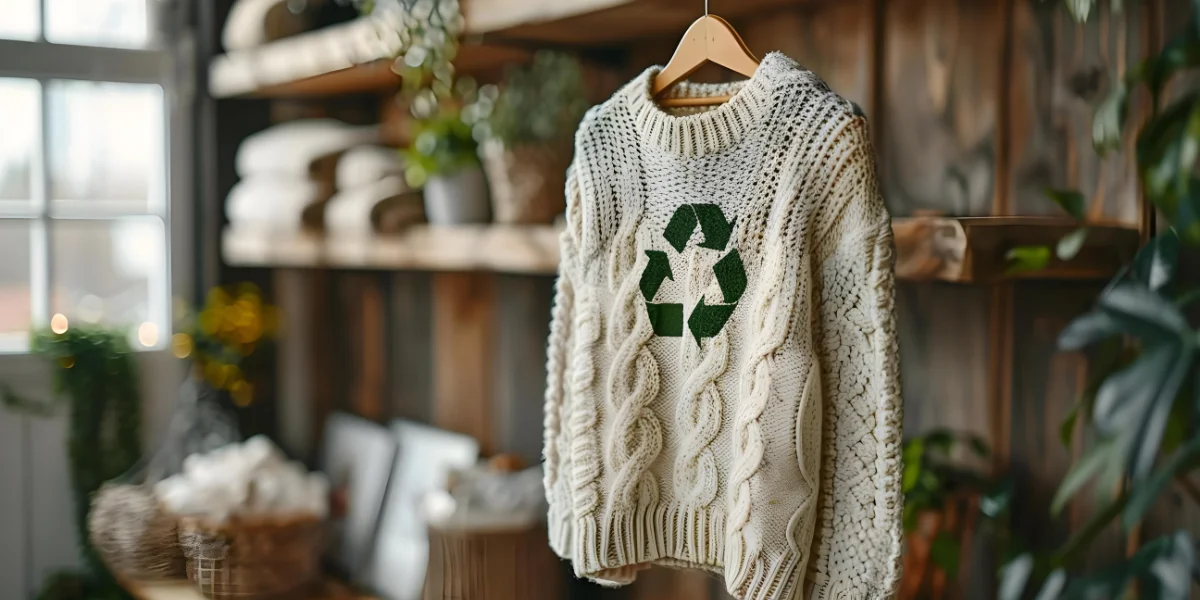
For too long, the fashion industry has been a significant contributor to global pollution, driven by the relentless cycle of “fast fashion“, cheap, mass-produced clothing designed to be worn briefly and discarded quickly. This model strains the planet’s resources, from excessive water consumption to chemical pollution and massive textile waste. Today, a necessary shift is occurring towards sustainable and eco friendly fashion, redefining what it means to be truly stylish. This involves embracing Environmentally Friendly Clothes made through processes that minimize ecological harm and maximize ethical benefits.
The Importance of Eco Friendly Practices in the Clothing Industry

The transition to sustainable clothing is crucial because the stakes are incredibly high. Consider these few eco friendly fashion facts:
1. Water Usage:
Conventional cotton farming is one of the most water-intensive agricultural practices. Manufacturing a single cotton t-shirt can require thousands of litres of water.
Conventional cotton farming is one of the most water-intensive agricultural practices. Manufacturing a single cotton t-shirt can require thousands of litres of water.
2. Chemical Pollution:
Textile dyeing and finishing processes often use toxic chemicals that contaminate water bodies, severely impacting aquatic life and human health.
Textile dyeing and finishing processes often use toxic chemicals that contaminate water bodies, severely impacting aquatic life and human health.
3. Waste Generation:
The sheer volume of discarded clothes, largely non-biodegradable synthetic fibres, contributes significantly to landfills, where they can take hundreds of years to decompose.
The sheer volume of discarded clothes, largely non-biodegradable synthetic fibres, contributes significantly to landfills, where they can take hundreds of years to decompose.
4. Carbon Emissions:
The entire supply chain, from growing raw materials to manufacturing and transportation, has a massive carbon footprint.
The entire supply chain, from growing raw materials to manufacturing and transportation, has a massive carbon footprint.
Adopting eco friendly practices in the clothing industry, such as using closed-loop water systems, eliminating toxic chemicals, and promoting fair labour, is no longer optional; it is a fundamental requirement for the industry’s future. These practices form the backbone of a truly sustainable fashion model.
The Fabric of the Future: Eco Friendly Clothing Materials

The very foundation of eco friendly clothing lies in the materials used. Sustainable designers are turning away from polluting synthetics like polyester and resource-heavy conventional cotton towards innovative and ancient fibres.
Key Eco Friendly Clothing Materials:
1. Organic Cotton:
This is arguably the most recognizable organic clothing material. Grown without the use of harmful pesticides, synthetic fertilisers, or genetically modified organisms, organic cotton farming conserves water and improves soil health.
This is arguably the most recognizable organic clothing material. Grown without the use of harmful pesticides, synthetic fertilisers, or genetically modified organisms, organic cotton farming conserves water and improves soil health.
2. Hemp and Linen:
These are two of the most sustainable fibres available. Hemp requires very little water and naturally replenishes soil nutrients, while linen, derived from the flax plant, is incredibly durable and biodegradable.
These are two of the most sustainable fibres available. Hemp requires very little water and naturally replenishes soil nutrients, while linen, derived from the flax plant, is incredibly durable and biodegradable.
3. Tencel/Lyocell:
A fibre made from wood pulp (often eucalyptus), Tencel production uses a non-toxic, closed-loop system where 99% of the solvent is recovered and reused.
A fibre made from wood pulp (often eucalyptus), Tencel production uses a non-toxic, closed-loop system where 99% of the solvent is recovered and reused.
4. Recycled/Upcycled Materials:
Brands are increasingly using recycled polyester (made from plastic bottles) and upcycling textile waste or deadstock fabric into new, unique garments. This is crucial for creating eco friendly fashion products and achieving a circular economy.
Brands are increasingly using recycled polyester (made from plastic bottles) and upcycling textile waste or deadstock fabric into new, unique garments. This is crucial for creating eco friendly fashion products and achieving a circular economy.
The movement towards organic fashion brand principles prioritises not just the fabric’s end-of-life (biodegradability) but also the entire journey from ‘seed to stitch,’ ensuring minimal impact.
India's Renaissance: Slow Fashion and Sustainable Market Growth

India, with its rich history of handloom, natural dyeing, and textile craftsmanship, is a natural hub for the sustainable and eco friendly fashion movement. The concept of slow fashion in India is a return to heritage, it’s about valuing quality over quantity, timeless design over fleeting trends, and the artisan over the machine.
This is a market on the rise. The sustainable fashion market size in India is witnessing rapid expansion, reflecting a growing consumer base that is increasingly aware and willing to invest in conscious consumption. While specific figures can vary, market insights consistently show a double-digit compound annual growth rate (CAGR), with the market size estimated to be valued at hundreds of millions of USD, and projected to reach over a billion USD by the next decade. This growth highlights the tremendous opportunity for eco friendly fashion brands in India.
Embracing the Eco Friendly Fashion Trends

The shift toward eco friendly clothing is being driven by several powerful trends:
1. Circular Fashion:
Moving away from a linear ‘take-make-dispose’ model to one where clothes and materials are kept in use for as long as possible through repair, reuse, recycling, and upcycling.
Moving away from a linear ‘take-make-dispose’ model to one where clothes and materials are kept in use for as long as possible through repair, reuse, recycling, and upcycling.
2. Transparency and Traceability:
Consumers are demanding to know the origin of their clothes. Sustainable brands provide detailed information about their supply chain, from the farm where the organic clothing material was grown to the artisan who stitched the final garment.
Consumers are demanding to know the origin of their clothes. Sustainable brands provide detailed information about their supply chain, from the farm where the organic clothing material was grown to the artisan who stitched the final garment.
3. Natural and Minimalist Aesthetics:
There is a growing preference for timeless, durable, and versatile pieces over fleeting, seasonal trends. This aligns perfectly with the slow fashion in India philosophy of buying fewer, better-quality items.
There is a growing preference for timeless, durable, and versatile pieces over fleeting, seasonal trends. This aligns perfectly with the slow fashion in India philosophy of buying fewer, better-quality items.
4. Ahimsa/Peace Silk and Vegan Leather:
Eco Friendly Fashion extends beyond plants. Brands are using alternatives like Ahimsa Silk (where the silkworm is allowed to emerge naturally before the cocoon is harvested) and plant-based leathers (like Pinatex made from pineapple leaves) to ensure all eco friendly fashion products are ethically sourced and cruelty-free.
Eco Friendly Fashion extends beyond plants. Brands are using alternatives like Ahimsa Silk (where the silkworm is allowed to emerge naturally before the cocoon is harvested) and plant-based leathers (like Pinatex made from pineapple leaves) to ensure all eco friendly fashion products are ethically sourced and cruelty-free.
The Path Ahead: Making a Conscious Choice

Choosing Eco Friendly Fashion is a statement, a refusal to participate in the environmental and social costs of fast fashion. Every purchase of sustainable clothing is a vote for ethical labour, reduced pollution, and a healthier planet.
The journey towards a fully sustainable fashion industry is complex, facing challenges like higher production costs and the global issue of ‘greenwashing‘ (brands falsely marketing themselves as eco-friendly). However, the momentum is undeniable. By consciously supporting an organic fashion brand, investing in Environment Friendly Clothes, and embracing the principles of slow fashion, consumers hold the power to shape the future of style. It is time to make our wardrobes a source of pride, reflecting not just our personal style, but also our unwavering commitment to the planet.
FAQ's
Eco-friendly fashion is an industry approach focusing on low environmental impact, ethical labour, and resource efficiency across the entire garment life cycle, promoting conscious consumption.
Sustainable options include organic cotton, hemp, linen, and Tencel (Lyocell), which use less water and avoid toxic pesticides/chemicals compared to conventional materials.
Eco-friendly clothing consists of garments made using sustainable materials and non-polluting processes. It ensures minimal harm to the environment and often supports ethical manufacturing and fair wages for workers.
These are materials like recycled polyester, organic cotton, and Piñatex (pineapple fibre) that require fewer virgin resources, less water/energy, and are often biodegradable.
Sepia Stories is an Indian brand known for slow fashion, using organic fabrics, natural dyes, and collaborating with local artisans to ensure ethical and sustainable production.
It is essential to reduce the fashion industry’s massive footprint: decreasing water pollution, lowering carbon emissions, conserving resources, and promoting social justice.
It is a holistic movement encompassing both environmental protection (eco-friendly materials) and social equity (ethical practices) to create a long-term, responsible clothing system.
Yes. Fast fashion leads to huge textile waste, excessive water use, toxic chemical pollution from dyeing, and high carbon emissions from the mass, rapid production cycle.
The core model (rapid turnover, mass production) fundamentally conflicts with sustainability. Some brands make small changes, but true eco-friendliness requires a slow model shift.