

Linen Fabric: Your Complete Guide to History, Properties, Uses, and Sustainable Style
Linen Fabric: Your Complete Guide to History, Properties, Uses, and Sustainable Style
Linen, a fabric woven from the fibers of the flax plant, boasts a history as rich and textured as the material itself. From its ancient origins to its modern-day resurgence, linen has captivated civilizations with its unique blend of comfort, durability, and timeless elegance. In this comprehensive guide, we’ll delve into the world of linen fabrics, exploring their history, properties, diverse applications, and care tips. This is your guide to understanding everything about linen fabrics, from linen production to the best ways to incorporate linen fashion into your wardrobe.
A Journey Through Time: The History of Linen
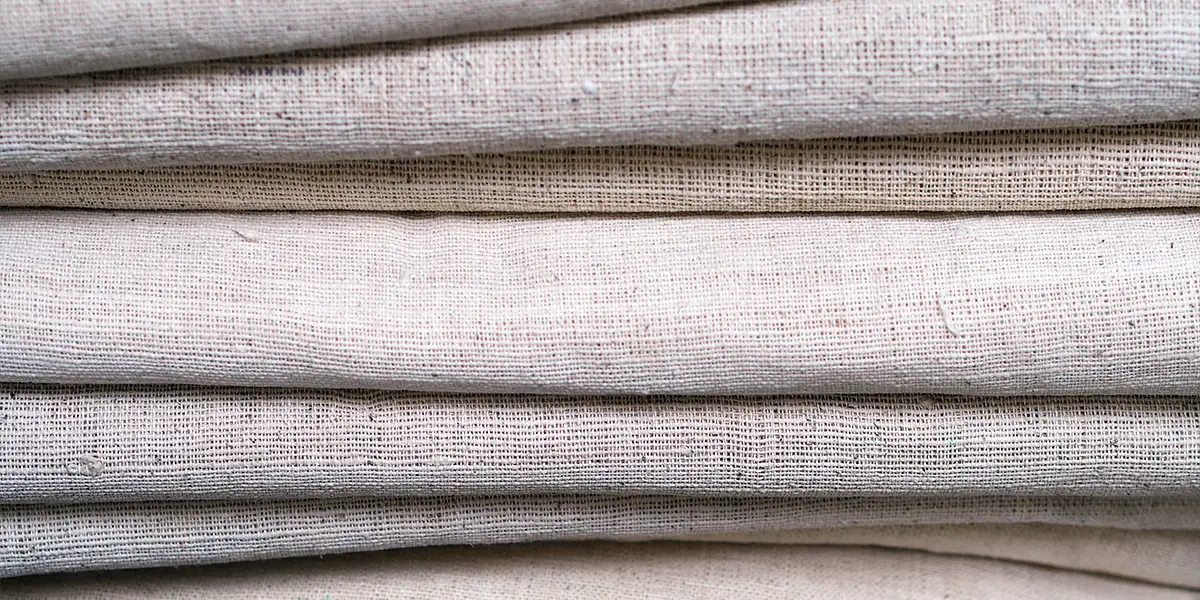
Linen’s story begins millennia ago. Evidence suggests that flax cultivation and linen production date back over 30,000 years. Fragments of linen fabric have been discovered in Swiss lake dwellings, offering a glimpse into its prehistoric use.
1. Ancient Civilizations:
Linen held a prominent position in ancient Egypt. It was valued for its purity and coolness, making it the fabric of choice for clothing, burial shrouds, and even currency. The Egyptians believed linen symbolized light and purity, often using it in religious rituals and for wrapping mummies, a testament to its durability. Linen was also widely used in ancient Mesopotamia, where it served as a staple fabric for clothing and household textiles.
Linen held a prominent position in ancient Egypt. It was valued for its purity and coolness, making it the fabric of choice for clothing, burial shrouds, and even currency. The Egyptians believed linen symbolized light and purity, often using it in religious rituals and for wrapping mummies, a testament to its durability. Linen was also widely used in ancient Mesopotamia, where it served as a staple fabric for clothing and household textiles.
2. The Spread Through Europe:
As trade routes expanded, linen’s popularity spread throughout Europe. By the Middle Ages, linen production had become a significant industry in many European countries, particularly in regions with climates suitable for flax cultivation. Linen was used extensively for undergarments, bed linens, and household textiles. Its strength and absorbency made it ideal for these purposes.
As trade routes expanded, linen’s popularity spread throughout Europe. By the Middle Ages, linen production had become a significant industry in many European countries, particularly in regions with climates suitable for flax cultivation. Linen was used extensively for undergarments, bed linens, and household textiles. Its strength and absorbency made it ideal for these purposes.
3. The Rise of Cotton and the Linen Revival:
The Industrial Revolution brought about the rise of cotton, a cheaper and easier-to-produce alternative. Linen production declined as cotton became more readily available. However, in recent years, linen has experienced a resurgence in popularity. Consumers are increasingly drawn to its natural properties, sustainability, and unique aesthetic. This is especially true in women’s linen clothes, where the desire for comfort and style meet.
The Industrial Revolution brought about the rise of cotton, a cheaper and easier-to-produce alternative. Linen production declined as cotton became more readily available. However, in recent years, linen has experienced a resurgence in popularity. Consumers are increasingly drawn to its natural properties, sustainability, and unique aesthetic. This is especially true in women’s linen clothes, where the desire for comfort and style meet.
Unveiling the Properties of Linen Fabrics: What Makes it Special?
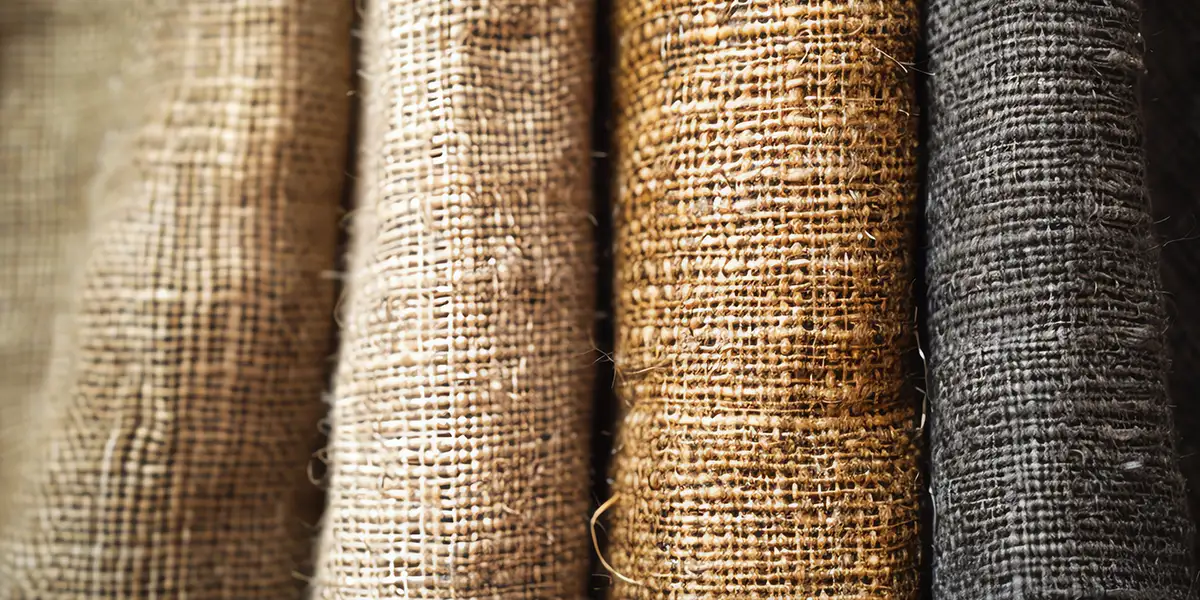
Linen’s enduring appeal stems from its exceptional qualities. Here’s a closer look at the properties of linen that make it a sought-after fabric:
1. Durability and Strength:
Linen fibers are incredibly strong, making linen fabrics exceptionally durable. Linen is one of the strongest natural fabrics, even stronger when wet. Linen clothing can withstand years of wear and tear, often becoming softer and more comfortable with age.
Linen fibers are incredibly strong, making linen fabrics exceptionally durable. Linen is one of the strongest natural fabrics, even stronger when wet. Linen clothing can withstand years of wear and tear, often becoming softer and more comfortable with age.
2. Breathability and Absorbency:
Linen is highly breathable, allowing air to circulate freely. Its natural fibers have excellent moisture-wicking properties, keeping you cool and dry in warm weather. Linen can absorb up to 20% of its weight in moisture without feeling damp. This makes it an ideal choice for summer clothing and bedding.
Linen is highly breathable, allowing air to circulate freely. Its natural fibers have excellent moisture-wicking properties, keeping you cool and dry in warm weather. Linen can absorb up to 20% of its weight in moisture without feeling damp. This makes it an ideal choice for summer clothing and bedding.
3. Comfort and Texture:
Linen has a unique texture that feels pleasant against the skin. While it may feel slightly stiff initially, linen softens with washing and wear, becoming increasingly comfortable over time. The natural texture of linen adds a touch of understated elegance to any garment or home décor item.
Linen has a unique texture that feels pleasant against the skin. While it may feel slightly stiff initially, linen softens with washing and wear, becoming increasingly comfortable over time. The natural texture of linen adds a touch of understated elegance to any garment or home décor item.
4. Hypoallergenic Properties:
Linen is naturally hypoallergenic, making it a suitable choice for individuals with sensitive skin or allergies. Its smooth fibers are less likely to irritate the skin than some synthetic fabrics.
Linen is naturally hypoallergenic, making it a suitable choice for individuals with sensitive skin or allergies. Its smooth fibers are less likely to irritate the skin than some synthetic fabrics.
5. Sustainable and Eco-Friendly:
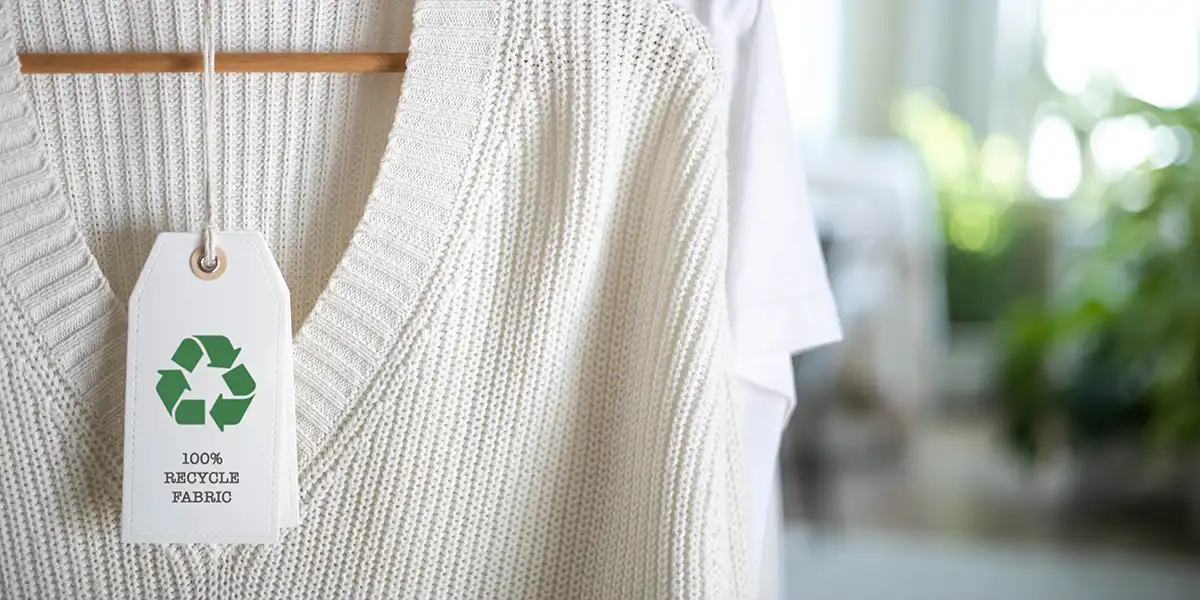
Flax cultivation requires fewer pesticides and fertilizers compared to cotton. Linen is also biodegradable, making it a more sustainable fabric option. Choosing linen supports environmentally conscious practices. The importance of linen in a world seeking eco-conscious choices cannot be overstated.
Flax cultivation requires fewer pesticides and fertilizers compared to cotton. Linen is also biodegradable, making it a more sustainable fabric option. Choosing linen supports environmentally conscious practices. The importance of linen in a world seeking eco-conscious choices cannot be overstated.
6. Wrinkle Resistance (and Embracing the Wrinkle):
While linen is known to wrinkle easily, this is often considered part of its charm. The natural wrinkles of linen add to its relaxed and effortless aesthetic. However, some linen blends are treated to reduce wrinkling.
While linen is known to wrinkle easily, this is often considered part of its charm. The natural wrinkles of linen add to its relaxed and effortless aesthetic. However, some linen blends are treated to reduce wrinkling.
The Versatile World of Linen Fabrics: Exploring Its Many Uses
Linen’s versatility makes it suitable for a wide range of linen uses:
1. Clothing:
Linen is a popular choice for summer clothing due to its breathability and comfort. Linen shirts, dresses, pants, and suits are stylish and practical options for warm weather. Linen clothing drapes beautifully and has a relaxed, effortless look. In particular, linen pants have become a staple in many wardrobes due to their comfort and versatility.
Linen is a popular choice for summer clothing due to its breathability and comfort. Linen shirts, dresses, pants, and suits are stylish and practical options for warm weather. Linen clothing drapes beautifully and has a relaxed, effortless look. In particular, linen pants have become a staple in many wardrobes due to their comfort and versatility.
2. Home Textiles:
Linen is widely used in home textiles, including bedding, tablecloths, napkins, towels, and curtains. Linen bedding is known for its breathability and luxurious feel, providing a comfortable night’s sleep. Linen tablecloths and napkins add a touch of elegance to dining settings. Linen curtains allow natural light to filter through while providing privacy.
Linen is widely used in home textiles, including bedding, tablecloths, napkins, towels, and curtains. Linen bedding is known for its breathability and luxurious feel, providing a comfortable night’s sleep. Linen tablecloths and napkins add a touch of elegance to dining settings. Linen curtains allow natural light to filter through while providing privacy.
3. Upholstery:
Linen’s durability and natural texture make it a good choice for upholstery. Linen upholstery can add a touch of sophistication to furniture.
Linen’s durability and natural texture make it a good choice for upholstery. Linen upholstery can add a touch of sophistication to furniture.
4. Industrial Uses:
In the past, linen was used for more industrial purposes, such as canvas for painting and sails for ships, because of its strength.
In the past, linen was used for more industrial purposes, such as canvas for painting and sails for ships, because of its strength.
Navigating the Different Types of Linen Fabrics:
Not all linen is created equal. Different weaves and treatments result in a variety of types of linen fabric, each with its unique characteristics:
1. Plain Weave Linen:
This is the most common type of linen fabric, characterized by a simple over-under weave. Plain weave linen is durable and versatile, suitable for a wide range of applications.
This is the most common type of linen fabric, characterized by a simple over-under weave. Plain weave linen is durable and versatile, suitable for a wide range of applications.
2. Damask Linen:
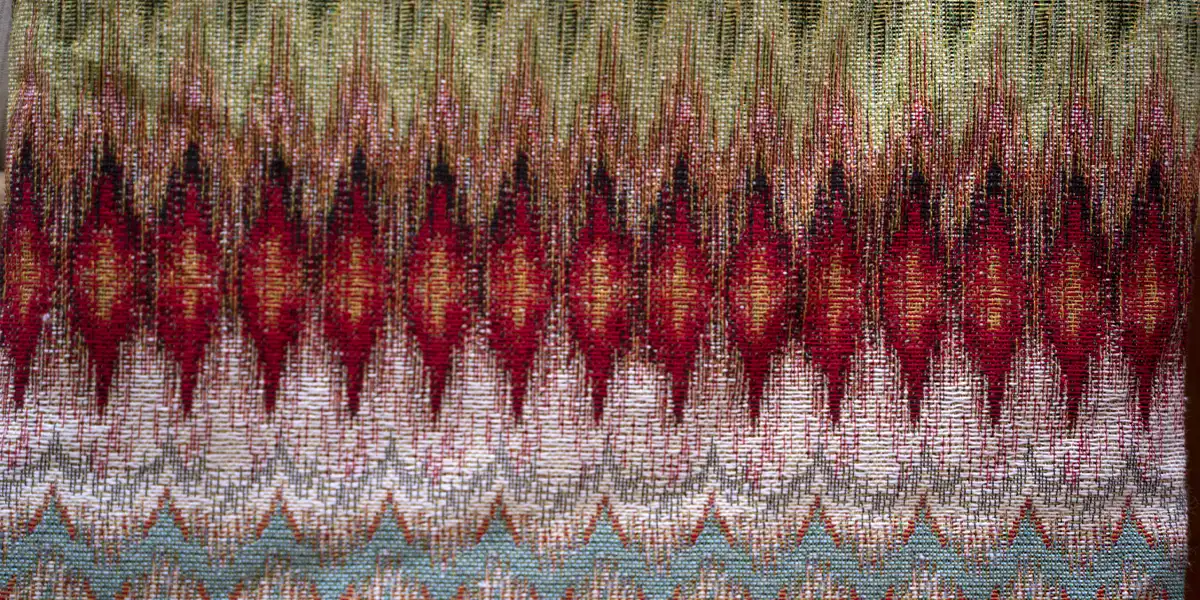
Damask linen features intricate woven patterns, often used for tablecloths and napkins. It has a more formal and elegant appearance.
Damask linen features intricate woven patterns, often used for tablecloths and napkins. It has a more formal and elegant appearance.
3. Loosely Woven Linen:
Loosely woven linen is more sheer and lightweight, often used for summer clothing or curtains.
Loosely woven linen is more sheer and lightweight, often used for summer clothing or curtains.
4. Linen Blends:
Linen is often blended with other fibers, such as cotton or rayon, to improve its wrinkle resistance, drape, or affordability. Cotton linen cloth offers a good balance of comfort and durability. These blends offer a combination of the benefits of linen and other fibers.
Linen is often blended with other fibers, such as cotton or rayon, to improve its wrinkle resistance, drape, or affordability. Cotton linen cloth offers a good balance of comfort and durability. These blends offer a combination of the benefits of linen and other fibers.
Linen Fabric for Clothing: A Style Guide
Linen fabric for clothing is an excellent choice for several reasons. Its breathability makes it ideal for warm weather, and its durability ensures that your garments will last. Pure linen clothing offers the purest expression of these benefits, providing unmatched comfort and style.
1. Linen Shirts:
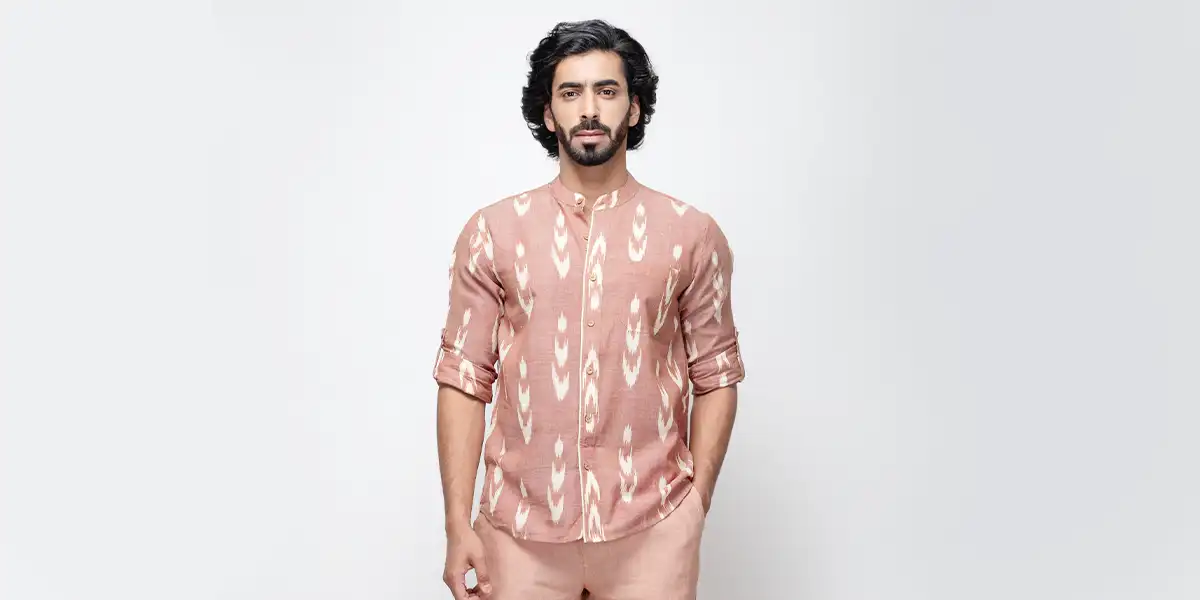
A linen shirt is a versatile wardrobe staple that can be dressed up or down.
A linen shirt is a versatile wardrobe staple that can be dressed up or down.
2. Linen Pants:
Perfect for warm weather, linen pants offer a relaxed yet stylish look.
Perfect for warm weather, linen pants offer a relaxed yet stylish look.
3. Linen Dresses:
From casual sundresses to elegant evening wear, linen dresses are a timeless choice.
From casual sundresses to elegant evening wear, linen dresses are a timeless choice.
Caring for Your Linen Fabrics: A Guide to Longevity
With proper care, your linen items will last for years, becoming softer and more comfortable with each wash. Here are some tips for caring for your linen fabrics:
1. Washing:
Linen can be machine-washed in cool or lukewarm water on a gentle cycle. Avoid using harsh detergents or bleach, as these can damage the fibers.
Linen can be machine-washed in cool or lukewarm water on a gentle cycle. Avoid using harsh detergents or bleach, as these can damage the fibers.
2. Drying:
Linen can be tumble-dried on a low setting or air-dried. Air-drying is preferable, as it helps to preserve the fabric’s natural texture and prevent shrinkage.
Linen can be tumble-dried on a low setting or air-dried. Air-drying is preferable, as it helps to preserve the fabric’s natural texture and prevent shrinkage.
3. Ironing:
Linen can be ironed while slightly damp on a medium setting. Ironing helps to remove wrinkles and restore the fabric’s smooth appearance. However, many people embrace the natural wrinkles of linen and choose not to iron it.
Linen can be ironed while slightly damp on a medium setting. Ironing helps to remove wrinkles and restore the fabric’s smooth appearance. However, many people embrace the natural wrinkles of linen and choose not to iron it.
4. Storage:
Store linen items in a cool, dry place away from direct sunlight. Avoid storing linen in plastic bags, as this can trap moisture and cause mildew.
Store linen items in a cool, dry place away from direct sunlight. Avoid storing linen in plastic bags, as this can trap moisture and cause mildew.
The Future of Linen: Sustainability and Innovation
As consumers become increasingly aware of the environmental impact of their choices, linen is poised to play an even greater role in the future of textiles. Its sustainable qualities and natural beauty make it an appealing alternative to synthetic fabrics. Innovations in linen production are also leading to new and improved linen fabrics with enhanced performance and aesthetics.
Conclusion: Embracing the Timeless Elegance of Linen
Linen fabrics offer a unique combination of history, comfort, durability, and sustainability. From its ancient origins to its modern-day applications, linen has proven its enduring appeal. Whether you’re seeking breathable summer clothing, luxurious bedding, or elegant home décor, linen provides a timeless and sophisticated choice. Embrace the natural beauty and versatility of linen and experience the comfort and elegance it brings to your life. Remember, choosing linen is not just a fashion statement; it’s a commitment to sustainable fabrics and a more conscious lifestyle. Linen fabric is made from the flax plant, making it a natural and renewable resource. By understanding the properties of linen and appreciating its many linen uses, you can make informed choices that benefit both your wardrobe and the environment.
FAQ's
Look for a slightly textured feel, natural luster, and visible weave. Linen wrinkles easily but is strong. A “burn test” will show it burning like plant fiber, leaving ash.
The “best” depends on your needs. For clothing, a lighter, smoother weave is ideal. For home goods, a heavier, more durable linen might be preferable.
There are several types, including plain weave, damask, loosely woven, and blended linens. Each has different properties and uses, affecting texture and appearance.
Linen is more durable, breathable, and sustainable than cotton. It requires less water and fewer pesticides to grow, though cotton can often be softer and cheaper.
Yes, linen can shrink, especially after the first wash. Washing in cold water and air-drying can minimize shrinkage. Pre-washing linen fabric before sewing is advisable.
Absolutely! Linen’s high breathability and moisture-wicking properties make it an excellent choice for staying cool and comfortable in hot weather. It allows air to circulate freely.
Iron linen while it’s slightly damp on a medium-high setting. Use steam if possible. Ironing helps remove wrinkles and restore its smooth appearance, though some embrace the wrinkles.
Linen can be stiff initially but softens considerably with washing and wear. Higher-quality linen tends to be softer from the start. Fabric softeners can also help.
Linen has very little stretch compared to other fabrics like knits. Its fibers are strong and relatively inelastic, contributing to its durability and shape retention.
Yes, linen is generally considered sustainable. The flax plant requires fewer resources than cotton, and linen is biodegradable. Look for sustainably processed linen for the best choice.