

Men Linen Clothes: Benefits & Types Of Linen Fabric For Clothing
Men Linen Clothes: Benefits & Types Of Linen Fabric For Clothing
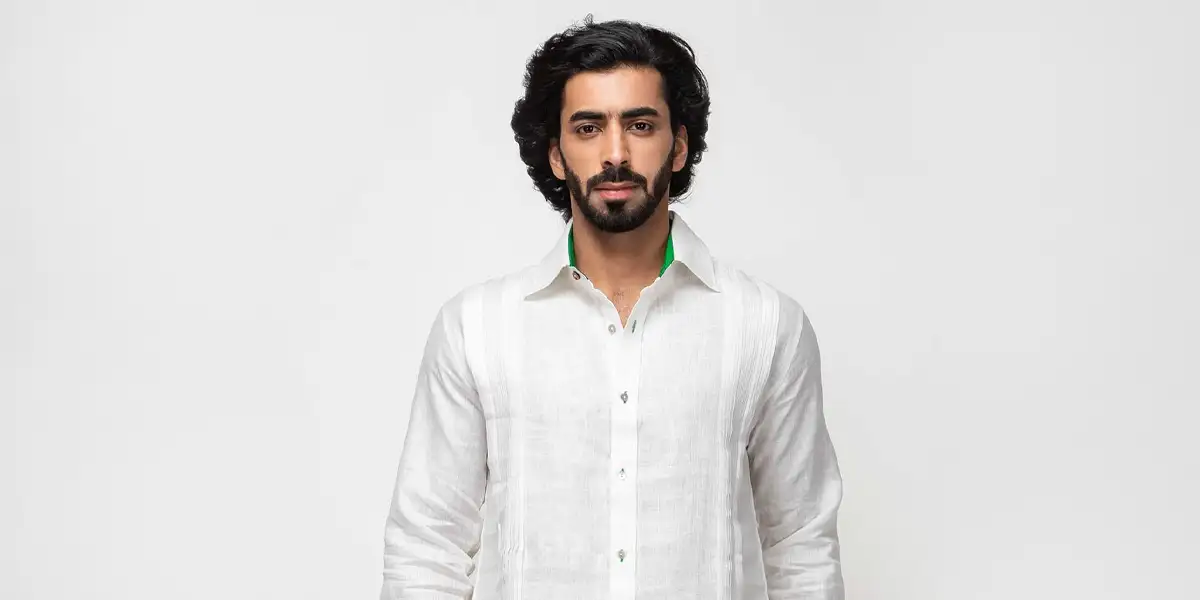
Linen: the fabric synonymous with summer, effortless style, and cool comfort. For men, linen clothing offers a sophisticated alternative to heavier fabrics, especially when the temperature rises. More than just a summer fling, linen fashion is a versatile and sustainable fabric choice with a rich history and a place in every modern man’s wardrobe. This guide delves into the world of men’s clothing crafted from linen, covering everything from its benefits, how to wear linen, to caring for your garments and styling tips for every occasion.
Why Linen? The Benefits of Choosing Linen Clothes
1. Breathability and Comfort:
Linen is incredibly breathable, allowing air to circulate freely. This helps regulate body temperature and keeps you cool and dry, even in hot and humid weather. Crucial for relaxed clothing for men.
Linen is incredibly breathable, allowing air to circulate freely. This helps regulate body temperature and keeps you cool and dry, even in hot and humid weather. Crucial for relaxed clothing for men.
2. Moisture-Wicking:
Linen is highly absorbent, capable of wicking moisture away from the skin. This makes it ideal for active days or warm climates.
Linen is highly absorbent, capable of wicking moisture away from the skin. This makes it ideal for active days or warm climates.
3. Durability:
Despite its lightweight feel, linen is a strong and durable fabric. Linen fibers are actually stronger than cotton, meaning your linen garments will last for years with proper care.
Despite its lightweight feel, linen is a strong and durable fabric. Linen fibers are actually stronger than cotton, meaning your linen garments will last for years with proper care.
4. Sustainable Choice:
Linen is made from flax fibers, a renewable resource that requires less water and pesticides to grow compared to cotton. Choosing linen is a more sustainable fashion choice, emphasizing the importance of linen in eco-conscious wardrobes.
5. Unique Texture and Appearance:
Linen has a distinctive texture and a natural, slightly rumpled look that exudes relaxed elegance. This inherent characteristic adds character and depth to any outfit.
Linen has a distinctive texture and a natural, slightly rumpled look that exudes relaxed elegance. This inherent characteristic adds character and depth to any outfit.
6. Hypoallergenic:
Linen is naturally hypoallergenic, making it a great option for men with sensitive skin or allergies.
Linen is naturally hypoallergenic, making it a great option for men with sensitive skin or allergies.
Understanding Linen: Types and Weaves
Not all linen is created equal. Understanding the different types of linen fabric and weaves can help you choose the right linen fabric for clothing and your needs:
1. Linen Weight:
Linen is measured in weight (gsm – grams per square meter). Lighter-weight linens (150-200 gsm) are ideal for linen shirts and lightweight linen pants, while heavier-weight linens (250-300 gsm) are better suited for jackets and more structured garments.
Linen is measured in weight (gsm – grams per square meter). Lighter-weight linens (150-200 gsm) are ideal for linen shirts and lightweight linen pants, while heavier-weight linens (250-300 gsm) are better suited for jackets and more structured garments.
2. Linen Weaves:
a. Plain Weave:
The most common type of linen weave, known for its durability and breathability.
The most common type of linen weave, known for its durability and breathability.
b. Damask Weave:
A more intricate weave used for decorative purposes, often found in home textiles.
A more intricate weave used for decorative purposes, often found in home textiles.
c. Loosely Woven Linen:
Good for hot weather.
Good for hot weather.
3. Blended Linen:
Linen is often blended with other fibers like cotton or viscose to reduce wrinkling and improve drape. Cotton linen cloth blends are a popular choice for everyday wear.
Linen is often blended with other fibers like cotton or viscose to reduce wrinkling and improve drape. Cotton linen cloth blends are a popular choice for everyday wear.
Essential Linen Pieces for the Modern Man
1. Linen Shirt:
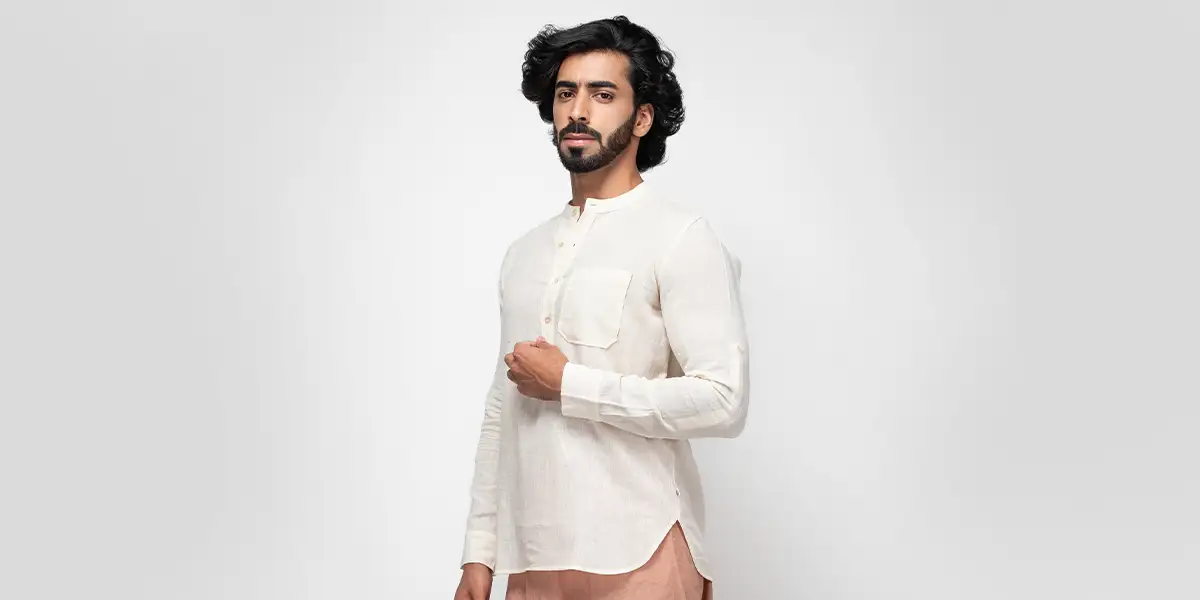
A versatile staple that can be dressed up or down. Opt for classic colors like white, navy, or light blue.
A versatile staple that can be dressed up or down. Opt for classic colors like white, navy, or light blue.
2. Linen Pants:
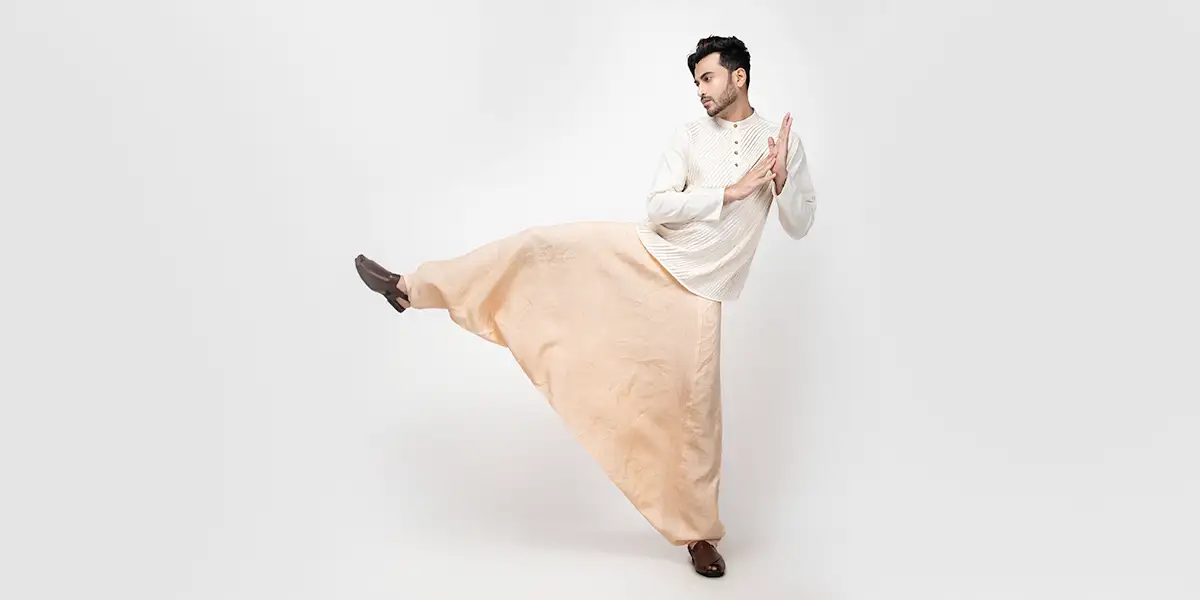
Perfect for warm weather, linen pants offer a relaxed yet refined look. Choose from tailored trousers, drawstring pants, or chinos.
Perfect for warm weather, linen pants offer a relaxed yet refined look. Choose from tailored trousers, drawstring pants, or chinos.
3. Linen Shorts:
A warm-weather essential for casual occasions. Look for tailored shorts in neutral colors.
A warm-weather essential for casual occasions. Look for tailored shorts in neutral colors.
4. Linen Suit:
A sophisticated option for summer weddings or business casual events. Choose a lightweight linen suit in a light color like beige or light gray.
A sophisticated option for summer weddings or business casual events. Choose a lightweight linen suit in a light color like beige or light gray.
5. Linen Blazer:
A versatile layering piece that can be worn over a t-shirt or dress shirt.
A versatile layering piece that can be worn over a t-shirt or dress shirt.
6. Linen T-shirt:
The epitome of casual summer cool.
The epitome of casual summer cool.
7. Linen Scarf:
A great way to add a pop of color or texture to your outfit.
A great way to add a pop of color or texture to your outfit.
Styling Tips: How to Wear Men's Linen Clothes
1. Embrace the Wrinkles:
Linen is known for its natural wrinkles, so don’t try to fight them. Embrace the relaxed, effortless look.
Linen is known for its natural wrinkles, so don’t try to fight them. Embrace the relaxed, effortless look.
2. Color Palette:
Stick to a neutral color palette for a timeless and versatile wardrobe. Think white, beige, navy, olive, and gray.
Stick to a neutral color palette for a timeless and versatile wardrobe. Think white, beige, navy, olive, and gray.
3. Fit is Key:
Choose linen clothes that fit well. Avoid overly baggy or tight-fitting garments. A tailored fit will always look more polished.
Choose linen clothes that fit well. Avoid overly baggy or tight-fitting garments. A tailored fit will always look more polished.
4. Layering:
Linen can be layered with other fabrics like cotton or denim for added warmth and style.
Linen can be layered with other fabrics like cotton or denim for added warmth and style.
5. Accessorize:
Add accessories like a belt, hat, or sunglasses to complete your look.
Add accessories like a belt, hat, or sunglasses to complete your look.
6. Consider the Occasion:
Dress up linen pants with a button-down shirt and blazer for a smart casual look, or dress them down with a t-shirt and sneakers for a more relaxed vibe.
Dress up linen pants with a button-down shirt and blazer for a smart casual look, or dress them down with a t-shirt and sneakers for a more relaxed vibe.
7. Mix and Match Textures:
Pair linen with other natural textures like leather or suede for a more interesting outfit.
Pair linen with other natural textures like leather or suede for a more interesting outfit.
8. Shoes Matter:
Pair linen outfits with appropriate footwear. Loafers, sandals, boat shoes, or sneakers all work well with linen.
Pair linen outfits with appropriate footwear. Loafers, sandals, boat shoes, or sneakers all work well with linen.
Caring for Your Linen Clothes
1. Read the Label:
Always check the care label before washing your linen garments.
Always check the care label before washing your linen garments.
2. Machine Washable:
Most linen clothes can be machine-washed on a gentle cycle with cold water.
Most linen clothes can be machine-washed on a gentle cycle with cold water.
3. Mild Detergent:
Use a mild detergent to avoid damaging the fibers.
Use a mild detergent to avoid damaging the fibers.
4. Avoid Bleach:
Never use bleach on linen, as it can weaken the fibers and cause discoloration.
Never use bleach on linen, as it can weaken the fibers and cause discoloration.
5. Tumble Dry Low:
Tumble dry on low heat or hang to dry.
Tumble dry on low heat or hang to dry.
6. Ironing:
Iron linen while it’s still slightly damp for best results. Use a medium-hot iron and steam to remove wrinkles.
Iron linen while it’s still slightly damp for best results. Use a medium-hot iron and steam to remove wrinkles.
7. Storage:
Store linen clothes in a cool, dry place away from direct sunlight.
Store linen clothes in a cool, dry place away from direct sunlight.
Linen for Different Occasions
1. Beach Vacation:
Linen shorts, a linen shirt, and sandals are the perfect combination for a beach vacation.
Linen shorts, a linen shirt, and sandals are the perfect combination for a beach vacation.
2. Summer Wedding:
A linen suit or linen pants with a dress shirt is a stylish choice for a summer wedding.
A linen suit or linen pants with a dress shirt is a stylish choice for a summer wedding.
3. Business Casual:
Linen pants with a button-down shirt and blazer can create a polished yet relaxed business casual look.
Linen pants with a button-down shirt and blazer can create a polished yet relaxed business casual look.
4. Everyday Wear:
Linen shirts, t-shirts, and pants are comfortable and stylish options for everyday wear. This highlights the linen uses in a modern wardrobe.
Linen shirts, t-shirts, and pants are comfortable and stylish options for everyday wear. This highlights the linen uses in a modern wardrobe.
The Essence of Linen: Production and Properties
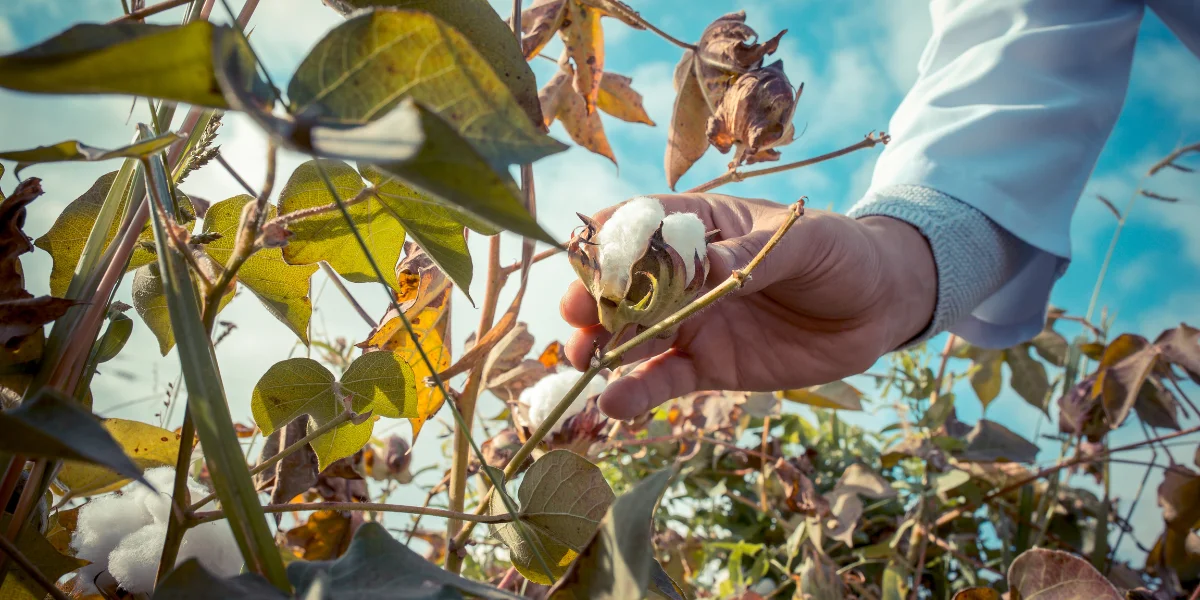
Linen fabric is made from the fibers of the flax plant, a process known as linen production. This natural fiber boasts exceptional properties of linen, including its strength, breathability, and absorbency. Choosing pure linen clothing means embracing a fabric that not only looks good but also feels good against the skin and aligns with sustainable fashion values. Linen for men offers a timeless appeal, combining comfort and style seamlessly.
Conclusion
Men’s linen clothes offer a stylish, comfortable, and sustainable option for any wardrobe. Embrace the natural wrinkles, experiment with different styles, and enjoy the cool comfort of linen all year round. With the right care and styling, linen can become a go-to fabric for every occasion.
FAQ's
Linen cloth is a textile made from the fibers of the flax plant. It is known for its breathability, durability, and absorbent properties, making it a popular choice for clothing, bedding, and other household items. Linen has a distinctive texture and a natural, slightly rumpled appearance.
Linen clothing refers to garments made from linen fabric. It’s favored for its comfort in warm weather, stylish appearance, and sustainable qualities. Linen clothing includes a wide range of items, such as shirts, pants, dresses, suits, and more.
Linen shirts are shirts made from linen fabric. They are a popular choice for warm weather due to their breathability and comfort. Linen shirts come in various styles, from casual button-downs to more formal dress shirts.
Linen is a durable fabric that can last for many years with proper care. High-quality linen can withstand regular wear and washing without losing its shape or integrity. In fact, linen often becomes softer and more comfortable with age.
Linen cloth is made through a process that involves harvesting flax plants, extracting the fibers from the stalks, spinning the fibers into yarn, and then weaving the yarn into fabric. The production of linen is a labor-intensive process, which contributes to its value and unique qualities.
Linen clothes are ideal for warm weather due to their breathability and moisture-wicking properties. They are a great choice for summer vacations, outdoor events, and everyday wear in hot climates. Linen can also be worn in cooler weather when layered with other fabrics.
To maintain linen clothes, it’s important to follow the care instructions on the garment label. In general, linen can be machine washed on a gentle cycle with cold water and a mild detergent. Avoid using bleach. Tumble dry on low heat or hang to dry. Iron while slightly damp for best results.
While linen production in India is not as widespread as in some other countries, there are regions where linen fabric is manufactured. Some of the linen production hubs in India include:
- West Bengal: Known for its textile industry, West Bengal has some production of linen and linen-blended fabrics.
- Maharashtra: Mumbai and other areas in Maharashtra have textile mills that may produce or process linen.
- Tamil Nadu: This state is a major textile center in India and may have some level of linen production or processing.
- Major Cities: You can find linen fabrics and garments in major cities like Delhi, Mumbai, Bangalore, and Chennai, though these may be sourced from both domestic and international manufacturers.
It’s worth noting that much of the “linen” available in India might be linen blends (e.g., cotton-linen) rather than 100% linen. If you’re looking for pure linen, it’s best to check the fabric composition carefully.