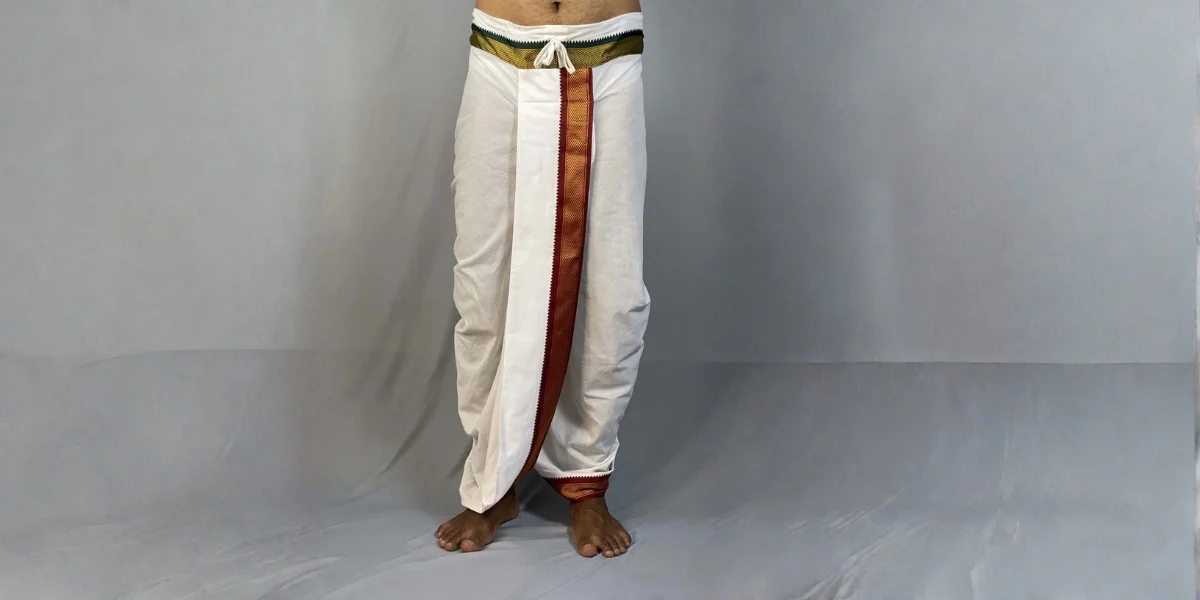



What is kala cotton

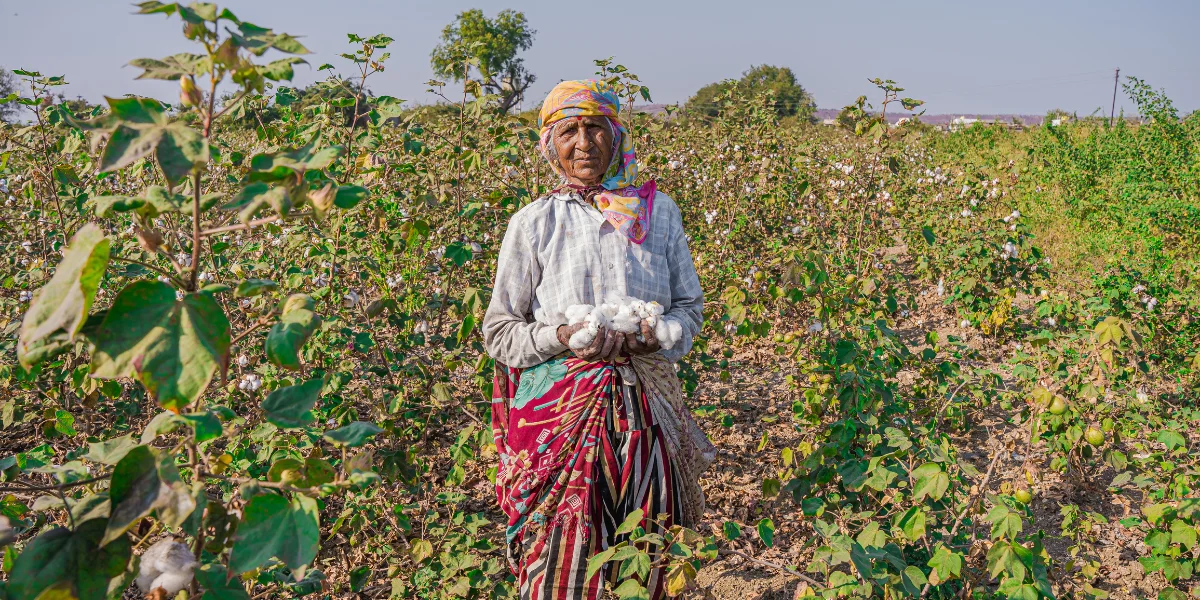
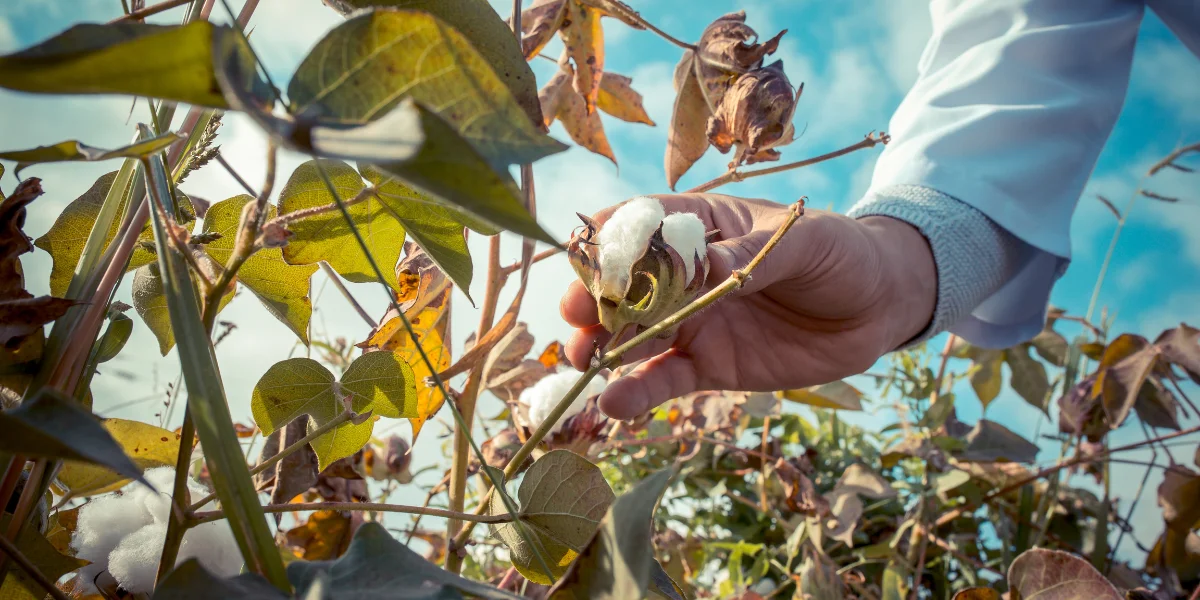
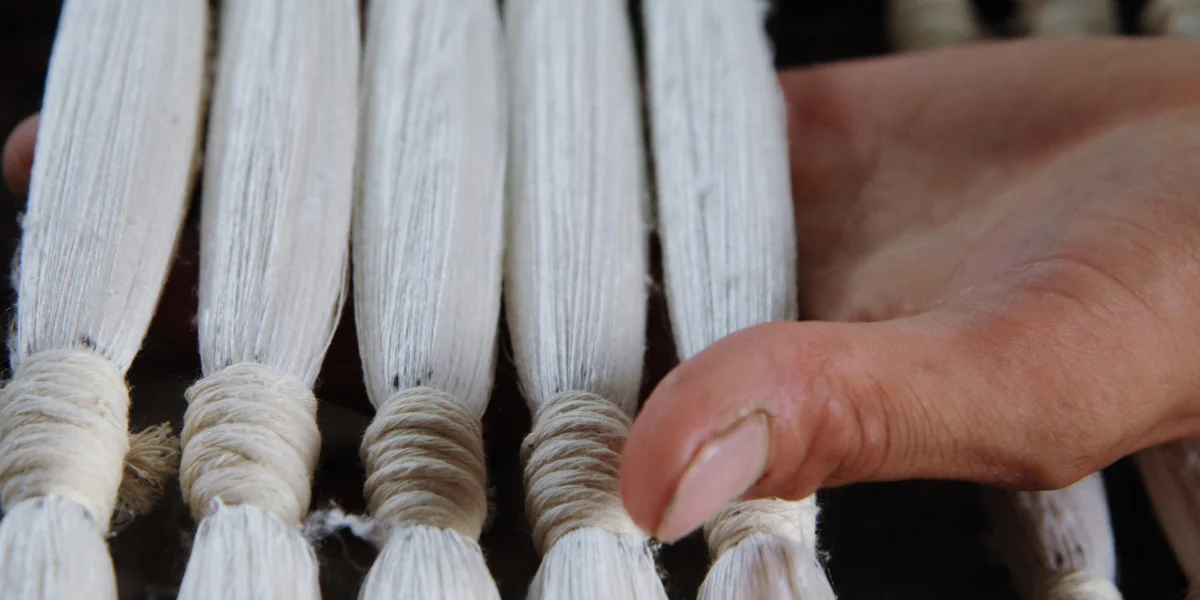
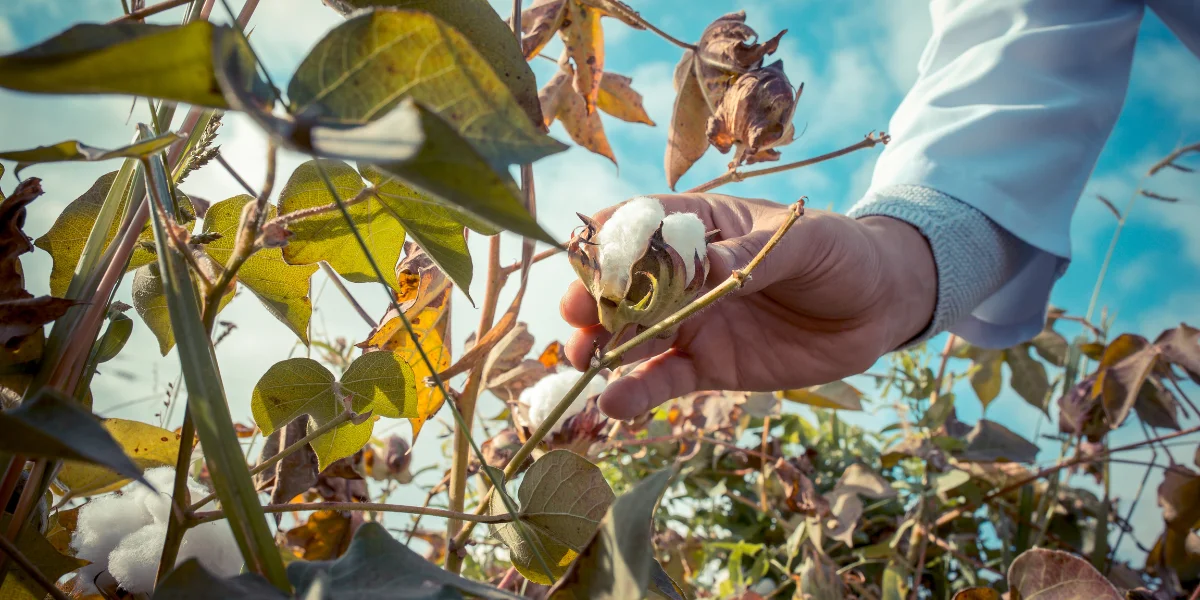
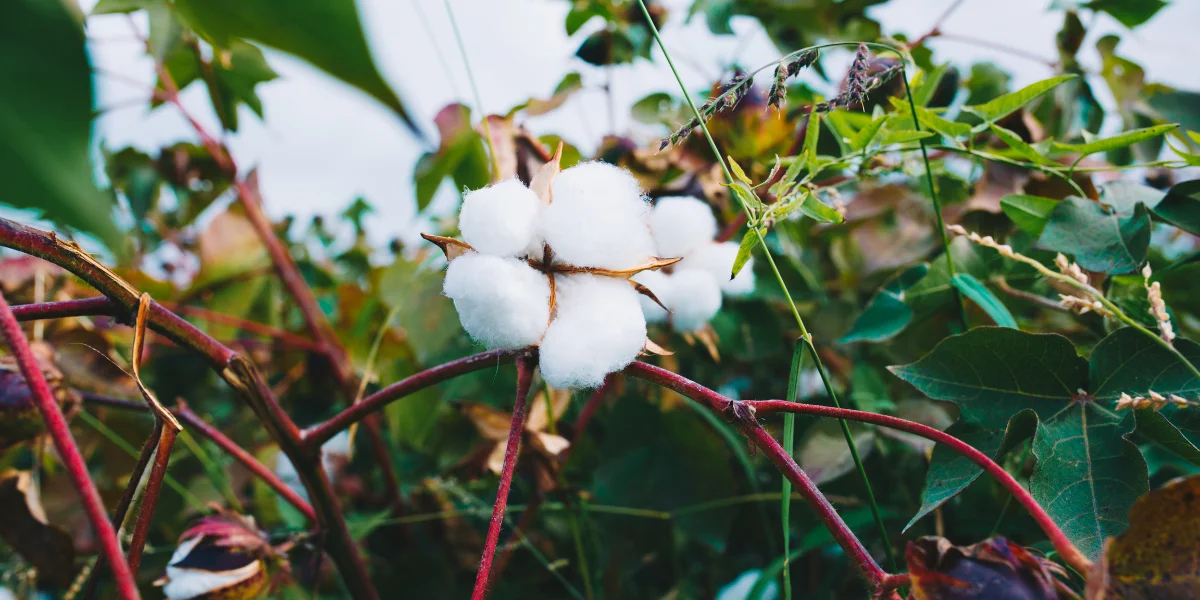
What is kala cotton? At Sepia Stories, it is more than just a textile, it is a tribute to traditional craftsmanship and sustainability. Derived from Gossypium herbaceum, a resilient and purely rain-fed species native to Kutch, this organic cotton is cultivated without pesticides or chemical fertilizers. The entire process, from the spinning process of cotton to the weaving stage, is carried out using traditional methods, resulting in handwoven kala cotton. Among various cotton fabric types, kala cotton stands out due to its coarse texture, rich feel, and eco-conscious origins. It supports a circular economy and empowers local artisans, aligning with the values of sustainable fabrics. At Sepia Stories, we transform this heritage into contemporary cotton clothing, honoring age-old techniques while ensuring a mindful future. If you’re seeking organic cotton fabric for clothing that merges ethical sourcing with unique aesthetics, kala cotton is the ideal choice. Its journey from seed to shirt embodies the essence of environmental responsibility and community upliftment. Through this deeply rooted material, Sepia Stories redefines the meaning of fashion, making it not just wearable, but meaningful.

Kala cotton fabric

To truly understand what is kala cotton, one must delve into the soul of sustainable fashion and India’s artisanal legacy. At Sepia Stories, kala cotton fabric is sourced from the dry and arid lands of kala cotton Kutch, where it grows naturally without the need for irrigation or chemical input. This native variety is deeply tied to the ethos of sustainable fabrics, resilient, unbleached, and hand-spun using age-old techniques. The end product, handloom cotton, speaks volumes about tradition and responsibility. Revered as the ancient cotton of India, kala cotton symbolizes resilience against climate change and the revival of lost handcrafts. Every Sepia Stories creation carries the essence of the weaver’s loom, making fashion a celebration of purpose. Choosing kala cotton means embracing thoughtful design and rejecting the fast-fashion cycle. With each thread, Sepia Stories reinforces its commitment to timeless craftsmanship, rural livelihoods, and the environment. By championing this rare fabric, we not only answer the question of what is kala cotton, but invite you to be part of a movement that values the planet, its people, and the stories they weave together.

Kala cotton dress material

What is kala cotton if not the perfect blend of heritage and conscious living? Sepia Stories celebrates this indigenous textile by creating versatile kala cotton dress material rooted in ethical fashion. As a naturally grown, non-GMO crop, it is an eco-friendly fabric that thrives in rain-fed regions without chemical intervention. The fabric is entirely handmade, involving a slow, thoughtful process that supports local artisans and reflects a commitment to sustainability. Among lightweight cotton fabric types, kala cotton offers a distinct texture and strength that make it perfect for daily wear with a cultural essence. Our designs bring out the raw beauty of handloom cotton, blending minimalism with meaning. For those who believe in sustainable living, this is more than fabric—it’s a lifestyle. Sepia Stories curates pieces that are gentle on your skin and kinder to the planet. When you wear kala cotton, you wear a philosophy that transcends trends and honors timeless craftsmanship. What is kala cotton? It’s the choice of those who care, not just about how they dress, but about the impact their clothing has on the world.

Kala cotton history

What is kala cotton? At Sepia Stories, it is the woven narrative of India’s cultural and ecological wisdom. With its kala cotton history dating back centuries, this fabric holds a special place in the evolution of Indian textiles. Grown in the resilient lands of Kutch, it is a purely rain-fed, pesticide-free crop that honors nature’s rhythm. This handmade fabric is not only spun and woven by skilled artisans but also dyed using traditional, eco-conscious techniques. The results are authentic, beautiful pieces that speak of heritage and simplicity. Every garment from Sepia Stories is handcrafted, embodying the core values of sustainable practices. Sustainable cotton clothing is not just a trend here, it is the foundation of our story. Kala cotton is strong, breathable, and timeless, making it a proud alternative to synthetic or heavily processed textiles. Wearing it is a celebration of conscious choices, skilled hands, and a world where fashion nurtures the planet rather than exploiting it. At Sepia Stories, what is kala cotton becomes more than a question—it is an answer to the call for responsible, soulful living through clothing.

Organic kala cotton fabric

In the heart of Sepia Stories lies the essence of organic kala cotton fabric, a tribute to India’s agrarian heritage and the slow, mindful way of living. So, what is kala cotton? It is a climate-resilient crop known as Gossypium herbaceum, cultivated in the Kutch region using age-old, rain-fed methods without any chemical input. This raw, robust fibre is transformed into beautiful handloom cotton fabric through a deliberate and soulful process. Our designs champion slow fashion, allowing each piece to carry meaning, memory, and craftsmanship. With each thread, we connect back to the Indian textile heritage, reviving practices that once flourished but are now endangered. Sepia Stories celebrates this tradition through contemporary kala cotton dress material, promoting mindful consumption and a sustainable lifestyle. This textile is breathable, durable, and rich in character, ideal for those who appreciate authenticity in what they wear. In a world overrun by fast trends, organic kala cotton fabric offers rootedness and reflection. Choosing it is not just about clothing—it’s about wearing values that support artisans, protect the earth, and keep stories alive.
What Is Kala Cotton, Kala Cotton Dress Material, Kala Cotton History, Organic Kala Cotton Fabric, Cotton Fabric Types, Spinning Process Of Cotton, Handloom Cotton, Ancient Cotton Of India, Sustainable Practices, Indian Textile Heritage, Sustainable Lifestyle, Kala Cotton Dress Material, Handloom Cotton Fabric, Sepia Stories

What is Kala Cotton? 7 Fascinating Historical Facts You Should Know

What is Kala Cotton? 7 Fascinating Historical Facts You Should Know

Kala cotton is not just a type of fabric, it’s a legacy. Deeply rooted in the soil and traditions of Kutch, Gujarat, this indigenous cotton variety tells a tale of resilience, sustainability, and cultural heritage. For centuries, Kala cotton fabric has been a quiet yet powerful symbol of India’s rich textile history
In a world dominated by genetically modified, high yield crops, organic kala cotton stands apart as a native, organically grown variety that thrives without the need for irrigation or chemicals. But where did it all begin?
Let’s dive into the historical timeline and uncover the story of Kala cotton through seven fascinating facts.

1. One of the Oldest Surviving Cotton Varieties in India

Kala cotton holds the rare distinction of being among the oldest cotton varieties still in cultivation. Its origins can be traced back to the times of the Indus Valley Civilization (around 3300 BCE to 1300 BCE), where cotton cultivation and textile production were integral to daily life. The remains of cotton fabrics found in archaeological sites such as Mohenjo-Daro indicate a deeply entrenched textile culture.

Unlike modern cotton that often relies on external inputs, Kala cotton has evolved to thrive in the harsh, arid climates of Kutch. It is grown in regions where rainfall is scant, the soil is saline, and farming conditions are challenging. Yet this hardy cotton endures, making it not only a cultural relic but also a climate resilient crop that holds promise for the future of sustainable farming.

2. A Descendant of Indigenous Desi Cotton (Gossypium herbaceum)

What Is Kala Cotton, Kala Cotton Dress Material, Kala Cotton History, Organic Kala Cotton Fabric, Cotton Fabric Types, Spinning Process Of Cotton, Handloom Cotton, Ancient Cotton Of India, Sustainable Practices, Indian Textile Heritage, Sustainable Lifestyle, Kala Cotton Dress Material, Handloom Cotton Fabric, Sepia Stories
Kala cotton is derived from Gossypium herbaceum, one of the four original species of cultivated cotton. Often referred to as “desi cotton,” this species is native to South Asia and known for its coarse yet durable fiber. Unlike American or Egyptian cotton varieties, which are longer-stapled and more refined, Kala cotton has a short staple length, giving it a textured feel and natural strength.
The genetic makeup of Kala cotton is unmodified and purely indigenous. It is rain fed, pest resistant, and ideally suited for organic farming. Because it does not require chemical fertilizers, pesticides, or irrigation, its cultivation has a low environmental footprint, a remarkable contrast to commercial cotton varieties that are resource intensive.

3. Historically Grown by Marginal Farmers in Kutch

What Is Kala Cotton, Kala Cotton Dress Material, Kala Cotton History, Organic Kala Cotton Fabric, Cotton Fabric Types, Spinning Process Of Cotton, Handloom Cotton, Ancient Cotton Of India, Sustainable Practices, Indian Textile Heritage, Sustainable Lifestyle, Kala Cotton Dress Material, Handloom Cotton Fabric, Sepia Stories

Kala cotton has traditionally been grown by small holder and marginal farmers in the Kutch region. These farmers, often working on low income, resource scarce lands, have relied on this hardy crop for generations. What makes Kala cotton so valuable to them is its resilience. Even in years of drought, the plant yields a stable crop without demanding inputs.

The cotton has always been woven into the rhythm of local agrarian life. Families would plant and harvest it using ancestral knowledge passed down through generations. While other crops failed in Kutch’s saline, drought prone soils, Kala cotton held firm, allowing communities to remain self-reliant.

4. Survived the Decline of Indigenous Cotton Post British Era

The British colonial era in India had a deep impact on the cotton industry. Driven by global demand for fine, long-staple cotton, the British encouraged the cultivation of American and Egyptian varieties. These varieties needed irrigation and synthetic inputs and were alien to the Indian landscape.
Desi cotton varieties, including Kala cotton, were largely neglected during this time. Yet, in the isolated villages of Kutch, Kala cotton survived. Its continued existence is a testament to the quiet resistance of local farmers and weavers who preserved their traditional practices in the face of aggressive modernization.

5. Revival Linked to Traditional Handloom Weaving

Kala cotton would have remained a hidden gem if not for the intervention of local organizations in the early 2000s. Two major initiatives, Khamir and Satvik, began working to revive the crop and reconnect it to the region’s weaving heritage.

These organizations collaborated with local farmers to cultivate Kala cotton organically and trained artisans to spin and weave the cotton using traditional techniques. What emerged was a fully local, sustainable textile production model, from farm to fabric. This revival did more than just bring Kala cotton back into the market; it rejuvenated the cultural and economic life of rural communities.

6. Historically Spun and Woven by Artisanal Communities

What Is Kala Cotton, Kala Cotton Dress Material, Kala Cotton History, Organic Kala Cotton Fabric, Cotton Fabric Types, Spinning Process Of Cotton, Handloom Cotton, Ancient Cotton Of India, Sustainable Practices, Indian Textile Heritage, Sustainable Lifestyle, Kala Cotton Dress Material, Handloom Cotton Fabric, Sepia Stories
Kala cotton has always been intimately linked with the Vankar weaving community in Kutch. The process of transforming raw cotton into fabric was traditionally done by hand, from ginning and spinning to weaving on pit looms. These were slow, labor intensive processes, but they imbued the fabric with a unique character.
Artisans would often weave family histories, regional motifs, and spiritual symbols into the cotton. Cotton clothing made from Kala cotton wasn’t just utilitarian; it held meaning. This artisanal heritage, passed down through generations, still survives in pockets of Gujarat, where the fabric is celebrated not just for its feel but for its story.

7. A Symbol of Gandhian Self-Reliance

What Is Kala Cotton, Kala Cotton Dress Material, Kala Cotton History, Organic Kala Cotton Fabric, Cotton Fabric Types, Spinning Process Of Cotton, Handloom Cotton, Ancient Cotton Of India, Sustainable Practices, Indian Textile Heritage, Sustainable Lifestyle, Kala Cotton Dress Material, Handloom Cotton Fabric, Sepia Stories
Kala cotton aligns closely with the philosophies of Mahatma Gandhi, particularly the ideals of Khadi and Swaraj (self-rule). Gandhi believed in empowering villages through self-sustaining industries, especially hand spinning and weaving. While Gandhi himself didn’t specifically promote Kala cotton, the crop embodies all the values he stood for: localism, sustainability, and dignity of labor.
Today, Kala cotton is often hand-spun into yarn using charkhas (spinning wheels), a nod to Gandhian tradition. By supporting Kala cotton, modern consumers indirectly support rural empowerment, environmental stewardship, and the preservation of India’s handloom legacy.

Conclusion: Kala Cotton in the Modern Era

So, what is Kala cotton? It is more than just a fiber, it’s a movement. A movement that respects the land, uplifts marginalized communities, and revives age-old traditions. In an era increasingly defined by fast fashion and ecological crisis, Kala cotton offers a slower, more thoughtful alternative. It reminds us that sustainability is not a trend but a return to roots.

From ancient civilizations to modern fashion runways, the journey of Kala cotton is rich with meaning. As we look for ways to reduce our carbon footprint and reconnect with heritage, embracing fabrics like Kala cotton could be a step in the right direction.
Whether you wear it for its texture, its story, or its values, Kala cotton is an enduring thread that weaves together the past and future of conscious fashion.

FAQ's

Kala cotton is a hardy, indigenous cotton variety from Kutch, India. Naturally grown without pesticides or irrigation, it’s hand-spun and handwoven into fabric. Known for its coarse texture and durability, it’s highly sustainable and ideal for ethical fashion due to its low environmental impact.

Kala cotton is expensive because it’s grown without chemical inputs, handpicked, and handwoven by skilled artisans. Its yield is low, processing is labor-intensive, and it supports rural craft communities. The fabric’s sustainable production methods and traceable supply chain also add to its premium pricing.

Yes, naturally pigmented cotton, including black or dark-brown varieties, exists but is rare. Most black cotton in textiles today is dyed. Kala cotton, despite its name meaning “black cotton,” typically refers to the plant’s native origin and resilience—not its color.

Kala cotton grows primarily in the arid, drought-prone Kutch region of Gujarat, India. This region’s dry climate is ideal for the hardy, rain-fed crop, which requires minimal water and no synthetic inputs. It’s one of the oldest surviving varieties of old-world cotton.

Kala cotton is a heritage, organic variety that thrives without irrigation or chemicals, unlike conventional cotton which often requires pesticides and water-intensive farming. Kala cotton has a rougher texture and eco-conscious production, while standard cotton is smoother and mass-produced, often at environmental cost.

Egypt is famous for its luxurious, extra-long staple cotton known for softness and strength. The U.S. and India also produce high-quality cotton at large scale. “Best” depends on use Egyptian for luxury, American Pima for durability, and Indian organic cotton (like Kala) for sustainability.