


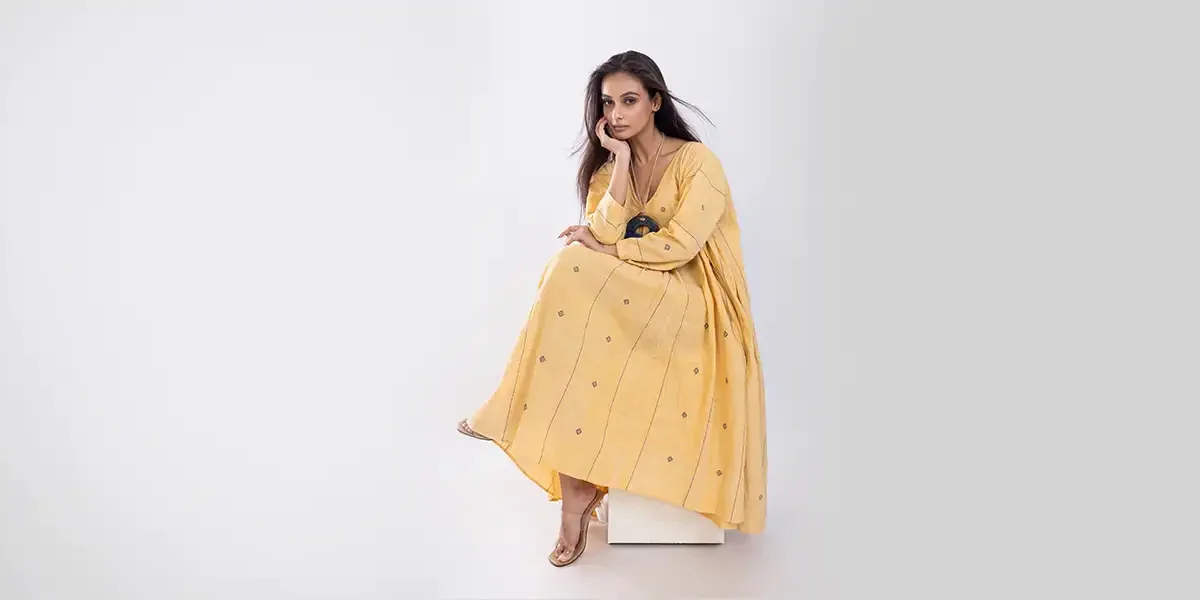
The Conscious Closet: Sustainable Fabrics and Uncompromised Comfort
The Conscious Closet: Sustainable Fabrics and Uncompromised Comfort
At the heart of sustainable women’s fashion lies the fabric, the raw material that determines a garment’s environmental footprint and its feel on the skin. The focus has shifted dramatically from cheap, synthetic blends to high-quality, eco-friendly, sustainable materials used in fashion that promise both performance and comfort. For those seeking clothes for women that reflect an ethical fashion commitment, the choices have never been better. The prominence of transparency in the sustainable fashion industry is also encouraging a closer look at the practices of sustainable fashion brands in the world.
Eco-Pioneers in Textiles
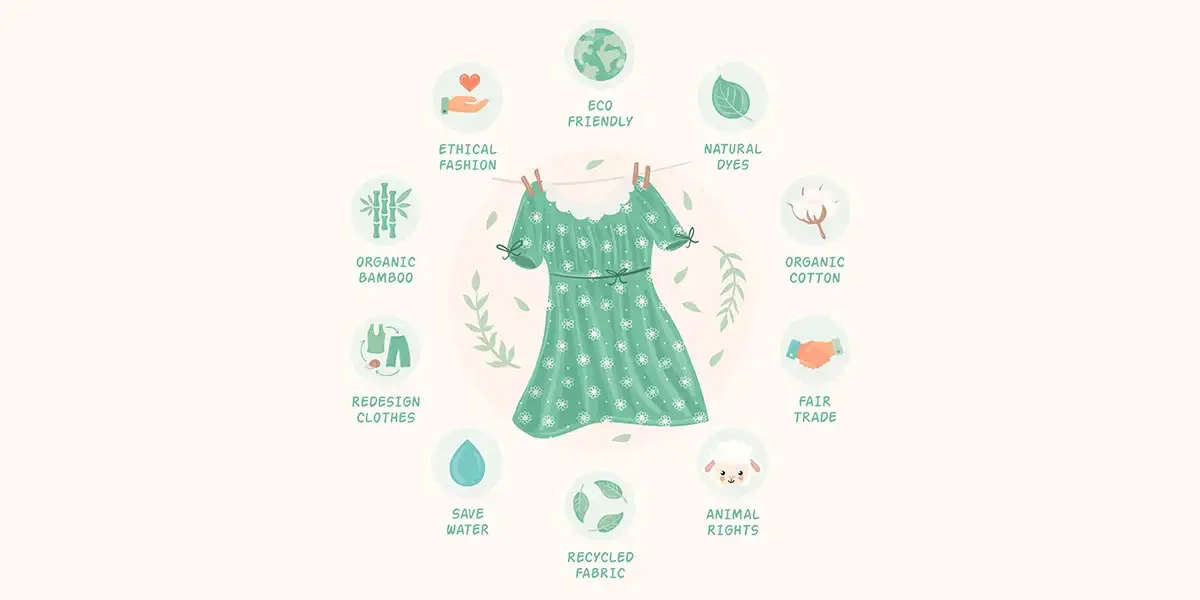
1. TENCEL™ Lyocell:
Often hailed as a leader, this fiber is derived from sustainably harvested wood pulp (usually eucalyptus). Its closed-loop production system recycles up to 99% of the water and non-toxic solvents used, making it incredibly resource-efficient. For women’s wear, TENCEL™ offers a luxurious, silky-smooth drape, high breathability, and excellent moisture-wicking properties, making it perfect for everything from fluid blouses to elegant dresses.
Often hailed as a leader, this fiber is derived from sustainably harvested wood pulp (usually eucalyptus). Its closed-loop production system recycles up to 99% of the water and non-toxic solvents used, making it incredibly resource-efficient. For women’s wear, TENCEL™ offers a luxurious, silky-smooth drape, high breathability, and excellent moisture-wicking properties, making it perfect for everything from fluid blouses to elegant dresses.
2. Organic Cotton, Hemp, and Linen:
These are the bedrock of natural, sustainable fabrics.
These are the bedrock of natural, sustainable fabrics.
a. Organic Cotton is grown without synthetic pesticides or fertilizers, consuming significantly less water than conventional cotton and promoting healthier soil. The result is a softer, naturally hypoallergenic fabric ideal for everyday essentials. Shoppers looking for sustainable cotton clothing or general organic clothing will find these options highly desirable.
b. Hemp and Linen (from the flax plant) are both fast-growing, require minimal water and pesticides, and use virtually the entire plant, leading to very little waste. They are naturally strong, breathable, and get softer with every wash, offering a beautiful, structured yet comfortable feel ideal for warm climates.
3. Recycled Materials (rPET and ECONYL®):
These fabrics tackle the existing waste crisis. Recycled Polyester (rPET) is made from recycled plastic bottles, which keeps plastic out of landfills and oceans. While a fossil fuel derivative, using recycled versions drastically reduces the need for new oil and requires less energy than virgin polyester, a move that proves sustainable materials in fast fashion are possible, even if challenging.
These fabrics tackle the existing waste crisis. Recycled Polyester (rPET) is made from recycled plastic bottles, which keeps plastic out of landfills and oceans. While a fossil fuel derivative, using recycled versions drastically reduces the need for new oil and requires less energy than virgin polyester, a move that proves sustainable materials in fast fashion are possible, even if challenging.
Comfort: The New Luxury - Sustainable lifestyle
For the sustainable fashion shopper, comfort is paramount; it’s tied to longevity. A garment must feel good to be worn often and cared for. Sustainable fabrics inherently excel here: they are often softer, more breathable, and designed to regulate temperature better than their synthetic counterparts. The movement rejects the “wear once and discard” mentality, favouring textiles that offer a premium, enduring, and ultimately, more comfortable experience, aligning with a broader sustainable lifestyle.
The Art of Making: Ethical Manufacturing Techniques
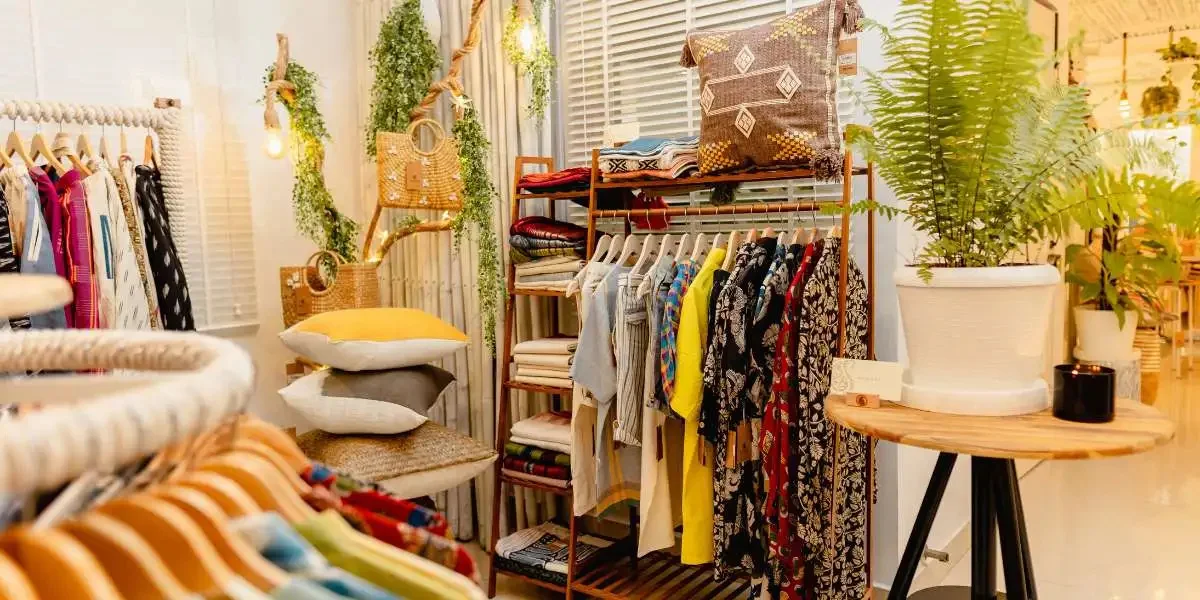
Sustainability and fashion are not just about the fiber; it’s about how that fiber is transformed into a garment. Revolutionary techniques are now minimizing the resource use and waste typically associated with textile production. The adoption of sustainable practices is key to the future of the sustainable fashion industry.
Closing the Loop and Cutting the Waste
1. Circular Design and Zero-Waste Patterning:
This is a holistic approach where designers plan for a garment’s end-of-life from the very beginning. Zero-waste pattern cutting is a core technique, strategically arranging patterns on a bolt of fabric to ensure minimal or no fabric scraps are left over, dramatically reducing textile waste that would normally go to landfill.
This is a holistic approach where designers plan for a garment’s end-of-life from the very beginning. Zero-waste pattern cutting is a core technique, strategically arranging patterns on a bolt of fabric to ensure minimal or no fabric scraps are left over, dramatically reducing textile waste that would normally go to landfill.
2. Water-Saving Dyeing and Finishing:
Traditional dyeing is one of the fashion industry’s largest water pollutants. Sustainable manufacturers are adopting technologies like digital printing (which uses far less water and fewer chemicals) and closed-loop water systems that filter and reuse water during the dyeing and finishing processes. These sustainable practices demonstrate a deep commitment to environmental care.
Traditional dyeing is one of the fashion industry’s largest water pollutants. Sustainable manufacturers are adopting technologies like digital printing (which uses far less water and fewer chemicals) and closed-loop water systems that filter and reuse water during the dyeing and finishing processes. These sustainable practices demonstrate a deep commitment to environmental care.
3. Upcycling and Repair Programs:
Upcycling takes discarded garments or pre-consumer fabric scraps and creatively transforms them into new, higher-value items. Beyond upcycling, many sustainable fashion brands in the world are building business models around repair services and take-back programs, extending the lifecycle of the clothes they produce and reinforcing the concept of ownership and care, a cornerstone of ethical fashion.
Upcycling takes discarded garments or pre-consumer fabric scraps and creatively transforms them into new, higher-value items. Beyond upcycling, many sustainable fashion brands in the world are building business models around repair services and take-back programs, extending the lifecycle of the clothes they produce and reinforcing the concept of ownership and care, a cornerstone of ethical fashion.
The Social Thread: Fair Labor
Ethical fashion manufacturing is also fundamentally social. Sustainable techniques involve a commitment to Fair Trade Certified facilities, ensuring safe working conditions, fair wages, and non-exploitative labor practices, particularly for the predominantly female workforce in garment production.
Defining the Aesthetic: Styles and Longevity
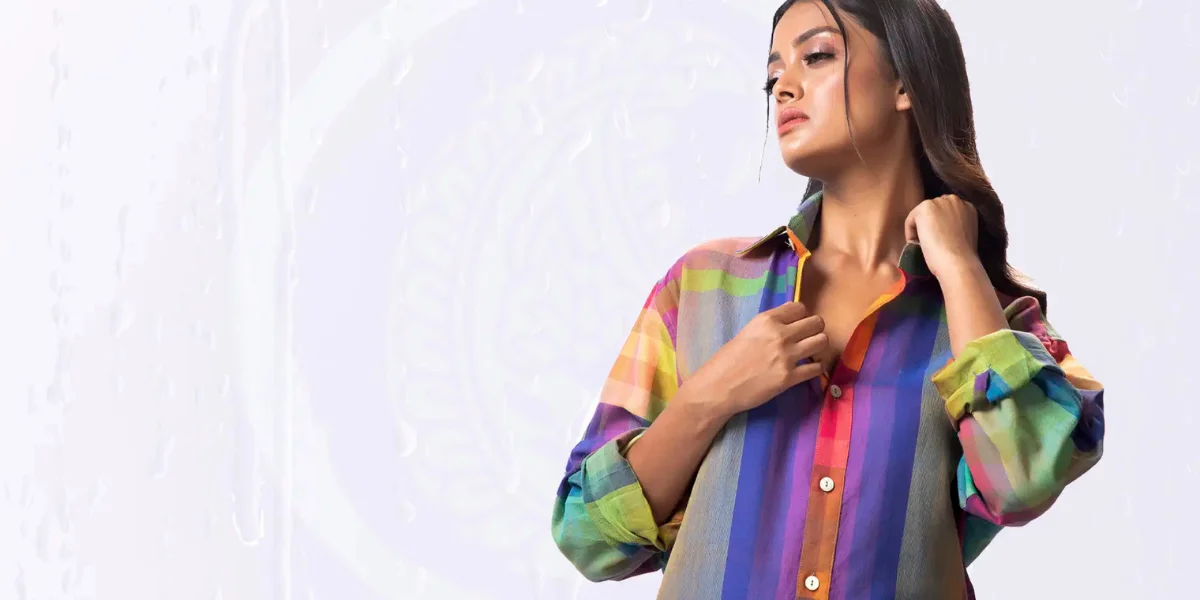
Sustainable women’s fashion styles are characterized by quality, versatility, and timelessness. The aesthetic is often described as “Slow Fashion,” a deliberate counterpoint to the rapid, disposable trends of fast fashion. Many women’s clothing stores online are shifting to promote these values.
1. The Capsule Wardrobe Philosophy:
Styles often revolve around versatile, high-quality, timeless basics that can be mixed, matched, and layered over many seasons. Think classic silhouettes: durable linen trousers, organic clothing knitwear, and well-tailored TENCEL™ blazers. This focus on versatility naturally reduces the impulse to buy new items constantly and supports a sustainable lifestyle.
Styles often revolve around versatile, high-quality, timeless basics that can be mixed, matched, and layered over many seasons. Think classic silhouettes: durable linen trousers, organic clothing knitwear, and well-tailored TENCEL™ blazers. This focus on versatility naturally reduces the impulse to buy new items constantly and supports a sustainable lifestyle.
2. Elevated Comfort and Utility:
The rise of work-from-home and wellness culture has merged comfort with sophisticated style. Sustainable collections feature elevated loungewear, adaptable utility styles, and comfortable but structured women’s wear that seamlessly transition from a remote workspace to a casual outing.
The rise of work-from-home and wellness culture has merged comfort with sophisticated style. Sustainable collections feature elevated loungewear, adaptable utility styles, and comfortable but structured women’s wear that seamlessly transition from a remote workspace to a casual outing.
3. Artisanal and Cultural Craftsmanship:
Many sustainable fashion brands in the world champion traditional techniques like hand-weaving, natural dyeing, and embroidery. These pieces celebrate the story and craftsmanship behind the garment, adding a unique, meaningful element to a woman’s wardrobe that fast fashion cannot replicate.
Many sustainable fashion brands in the world champion traditional techniques like hand-weaving, natural dyeing, and embroidery. These pieces celebrate the story and craftsmanship behind the garment, adding a unique, meaningful element to a woman’s wardrobe that fast fashion cannot replicate.
Who is the Conscious Consumer? The Target Audience
The target audience for sustainable women’s fashion is far more defined by values than by age, though certain demographics are leading the charge. They are actively seeking clothes for women that are both stylish and responsible.
The Values-Driven Demographics
1. The Millennial and Gen Z Conscious Consumer:
This group, typically aged 25-45, is highly educated, digitally native, and deeply aware of environmental and social issues. They often actively research a brand’s supply chain and value transparency and ethical certifications (like GOTS or Fair Trade), seeking out the best of sustainable fashion brands in the world. They are willing to pay a premium for a product that aligns with their global citizenship values.
This group, typically aged 25-45, is highly educated, digitally native, and deeply aware of environmental and social issues. They often actively research a brand’s supply chain and value transparency and ethical certifications (like GOTS or Fair Trade), seeking out the best of sustainable fashion brands in the world. They are willing to pay a premium for a product that aligns with their global citizenship values.
2. The Eco-Minimalist:
This consumer prioritizes quality over quantity. She is actively curating a capsule wardrobe, viewing women’s wear as an investment. Her motivation is often aesthetic purity combined with environmental impact reduction; she seeks timeless designs, durability, and natural, sustainable fabric that feel good and last a lifetime, fully embracing a sustainable lifestyle.
This consumer prioritizes quality over quantity. She is actively curating a capsule wardrobe, viewing women’s wear as an investment. Her motivation is often aesthetic purity combined with environmental impact reduction; she seeks timeless designs, durability, and natural, sustainable fabric that feel good and last a lifetime, fully embracing a sustainable lifestyle.
3. The Health-Aware Buyer:
With concerns over chemicals in textiles, this buyer is focused on the comfort and safety of what touches her skin. She deliberately chooses organic clothing, naturally dyed, and chemical-free fabrics like linen and sustainable cotton clothing, often driven by sensitive skin or a general holistic wellness approach. This group frequents women’s clothing stores online with strong ethical credentials.
With concerns over chemicals in textiles, this buyer is focused on the comfort and safety of what touches her skin. She deliberately chooses organic clothing, naturally dyed, and chemical-free fabrics like linen and sustainable cotton clothing, often driven by sensitive skin or a general holistic wellness approach. This group frequents women’s clothing stores online with strong ethical credentials.
These consumers don’t just shop; they invest in a better future, making the growth of sustainable women’s fashion a direct reflection of society’s evolving priorities.
The Benefits of a Sustainable Wardrobe
Choosing sustainable women’s fashion has profound positive effects that ripple out to benefit us, our communities, and the environment.
Benefit Category | Impact | Key Data Point |
Environmental | Significantly reduces water consumption, pesticide use, and greenhouse gas emissions associated with manufacturing and transport. | Organic cotton produces up to 46% less CO₂ than conventional cotton. |
Social | Supports fair wages, ethical working conditions, and empowers local communities and artisans. | Ethical brands help eradicate exploitative practices such as child labor and forced labor. |
Economic | Saves consumers money in the long run by reducing the need for frequent replacements due to higher quality and durability. | Extending the life of clothes by nine months can save 20–30% in carbon, water, and waste footprints. |
Personal Health | Reduces exposure to toxic chemicals and dyes commonly used in conventional textile production. | Organic fabrics are free from harmful substances, lowering the risk of skin irritation and allergies. |
5 Practical Steps to Build a Sustainable Wardrobe
Building a sustainable wardrobe is a journey, not a destination. It doesn’t require overhauling your closet overnight, but rather making small, intentional changes over time.
1. Prioritize Quality, Not Trends
Invest in timeless staples and foundational pieces that can be mixed, matched, and layered. Think classic blazers, well-fitting jeans, a versatile little black dress, and high-quality neutral-colored sweaters. This is the essence of a capsule wardrobe , which maximizes outfit possibilities with minimal items.
2. Embrace Secondhand and Pre-Loved
The most sustainable garment is the one that already exists. Shopping secondhand, whether at thrift stores, vintage shops, or online resale platforms, gives clothes a second life and dramatically reduces waste. Nearly a quarter of consumers say the thrill of shopping for new clothes lasts longer when they buy secondhand.
3. Become a Label Detective
Before purchasing, scrutinize the garment label. Look for:
1. Sustainable Materials:
Organic cotton, recycled content, linen, hemp, Tencel™ Lyocell, or Modal.
Organic cotton, recycled content, linen, hemp, Tencel™ Lyocell, or Modal.
2. Certifications:
Trusted labels like GOTS (Global Organic Textile Standard), Fair Trade Certified, and B Corp Certification indicate a brand meets stringent environmental and social standards.
Trusted labels like GOTS (Global Organic Textile Standard), Fair Trade Certified, and B Corp Certification indicate a brand meets stringent environmental and social standards.
3. Brand Transparency:
Truly sustainable brands are open about their factories, material sourcing, and environmental goals. Be wary of “greenwashing” vague terms without verifiable proof.
Truly sustainable brands are open about their factories, material sourcing, and environmental goals. Be wary of “greenwashing” vague terms without verifiable proof.
3. Become a Label Detective
Before purchasing, scrutinize the garment label. Look for:
1. Sustainable Materials:
Organic cotton, recycled content, linen, hemp, Tencel™ Lyocell, or Modal.
Organic cotton, recycled content, linen, hemp, Tencel™ Lyocell, or Modal.
2. Certifications:
Trusted labels like GOTS (Global Organic Textile Standard), Fair Trade Certified, and B Corp Certification indicate a brand meets stringent environmental and social standards.
Trusted labels like GOTS (Global Organic Textile Standard), Fair Trade Certified, and B Corp Certification indicate a brand meets stringent environmental and social standards.
3. Brand Transparency:
Truly sustainable brands are open about their factories, material sourcing, and environmental goals. Be wary of “greenwashing” vague terms without verifiable proof.
Truly sustainable brands are open about their factories, material sourcing, and environmental goals. Be wary of “greenwashing” vague terms without verifiable proof.
4. Care for Your Clothes
Sustainable fashion doesn’t stop at the purchase it includes garment care. Extend the life of your clothing by:
1. Washing less frequently and using cold water.
2. Air-drying clothes instead of using a dryer, which saves energy and prevents wear and tear.
3. Learning basic mending skills to repair minor damage, or taking items to a local tailor.
5. Give Your Clothes a Second Life
When you are ready to part with an item, don’t toss it. Instead:
1. Repair or Upcycle:
Transform an old garment into something new, like turning old jeans into shorts or a stained shirt into a cleaning rag.
Transform an old garment into something new, like turning old jeans into shorts or a stained shirt into a cleaning rag.
2. Donate or Resell:
Give your clothes to a charity shop or sell them on a resale platform. This closes the loop, keeping textiles out of landfills and allowing someone else to enjoy them. Less than 1% of clothing is currently recycled into new textiles, highlighting the urgent need for a circular system.
Give your clothes to a charity shop or sell them on a resale platform. This closes the loop, keeping textiles out of landfills and allowing someone else to enjoy them. Less than 1% of clothing is currently recycled into new textiles, highlighting the urgent need for a circular system.
A Lasting Impression
Sustainable fashion is a rich landscape of innovation, a testament to how science, ethical fashion, and artistry can intersect. By focusing on pioneering sustainable materials used in fashion, employing radical sustainable practices, and designing for timeless style, the sustainable fashion industry is weaving a new, durable, and beautiful narrative for the modern woman.
FAQ's
Sustainable fashion prioritizes minimizing the environmental and social impact of clothing. It encompasses the entire lifecycle, from raw materials and production to distribution and disposal. It emphasizes ethical labor practices, resource conservation, waste reduction, and the use of eco-friendly materials. It is a conscious approach to fashion that values both people and the planet.
Sustainability in the fashion industry means adopting practices that minimize environmental harm, promote social equity, and ensure economic viability. This includes using sustainable materials, reducing water and energy consumption, minimizing waste, ensuring fair labor practices throughout the supply chain, and promoting circular economy principles. It is a holistic approach to transforming the fashion industry.
Many online retailers offer sustainable clothing. Look for brands that are transparent about their materials, production processes, and ethical practices. Some popular options include online marketplaces that curate sustainable brands, brands with dedicated sustainability sections, and smaller, independent designers who prioritize eco-friendly and ethical production. Research certifications like GOTS or Fair Trade.
Creating a sustainable wardrobe involves making conscious choices about your clothing consumption. Start by buying less and choosing well. Invest in versatile, high-quality pieces made from sustainable materials. Shop secondhand, swap clothes with friends, and take good care of your garments to extend their lifespan. Support sustainable brands and prioritize ethical production practices.
Sustainable fashion is crucial because the traditional fashion industry has a significant negative impact on the environment and society. Fast fashion contributes to pollution, resource depletion, and unethical labor practices. Sustainable fashion offers a solution by minimizing these harms, conserving resources, promoting fair labor, and creating a more equitable and environmentally responsible industry.
The future of sustainable fashion is promising, with growing consumer demand and increased innovation. We can expect to see wider adoption of circular economy principles, advanced recycling technologies, and innovative sustainable materials. Transparency and traceability will become increasingly important. Sustainable fashion will become more accessible and affordable, driving a systemic shift in the industry.
The sustainable fashion market in India is experiencing significant growth, driven by increasing consumer awareness and government initiatives promoting sustainable practices. While precise figures vary, estimates suggest a rapidly expanding market, particularly in urban areas. The market is fueled by a growing demand for organic cotton, khadi, and other traditional, eco-friendly textiles.
While “sustainable fashion” aims to minimize harm, the term can be complex. True sustainability requires a holistic approach and continuous improvement. Look for brands that are transparent about their practices and actively working to reduce their environmental and social impact. Be wary of “greenwashing” and prioritize brands with credible certifications and a genuine commitment to sustainability.
Sustainable clothing is made from a variety of eco-friendly materials. These include organic cotton, recycled fibers (like recycled polyester and recycled cotton), hemp, linen, Tencel/Lyocell, and innovative materials made from agricultural waste or other renewable resources. The key is to choose materials that have a lower environmental impact than conventional options.