

What is sustainable fashion

At its core, sustainable fashion meaning revolves around practices that minimize environmental impact, such as using eco-friendly materials, reducing waste, and promoting fair labor practices. Organic fashion brands are at the forefront of this change, offering sustainable designer clothing that blends high-quality design with ethical sourcing. Eco friendly clothes, a key component of this movement, are crafted intending to last longer and having a smaller carbon footprint. This approach is also closely linked to the concept of slow fashion, which encourages mindful consumption and challenges the fast-paced turnover of trends in the fashion industry. As the demand for eco-friendly fashion continues to grow, the fashion industry is gradually embracing these principles, ensuring that style and sustainability go hand in hand. Understanding what is sustainable fashion is essential for making informed choices that support a healthier planet and more ethical industry. With an increasing number of eco friendly clothing stores, individuals are empowered to make choices that align with their values while contributing to a healthier planet.

Sustainable fashion

Sustainable fashion represents a significant shift towards ethical and eco-conscious practices within the fashion industry, aiming to reduce its environmental impact while promoting social responsibility. Sustainability in the fashion industry encompasses a range of practices, including the use of eco-friendly materials, ethical labor practices, and innovative approaches like upcycled fashion, where discarded materials are transformed into new, stylish garments. Eco fashion emphasizes reducing waste and pollution, prioritizing quality over quantity, and encouraging mindful consumption. The sustainable clothing industry is booming, with brands increasingly offering eco friendly sustainable clothing that caters to a conscious consumer base. Sustainable fashion for women, in particular, is gaining momentum as designers create collections that are not only stylish but also align with ethical values. Beyond aesthetics, sustainable clothing champions fair labor practices, supporting ethical production worldwide. As awareness grows, the availability of eco friendly clothes for men and women has expanded, fostering inclusivity in the sustainable fashion space.

Sustainability and fashion

Sustainability and fashion converge in the growing movement toward creating clothing that honors both the environment and ethical labor practices. The importance of clothing in this context goes beyond mere aesthetics; it’s about making choices that reduce harm to the planet and promote a fairer, more responsible industry. Sustainability and clothing are intertwined through the use of sustainable clothing materials, such as organic cotton and recycled fibers, which significantly lower the environmental footprint of fashion production. Organic sustainable clothing stands out as a key component of this trend, offering garments that are free from harmful chemicals and produced in ways that support both the environment and the workers involved. Sustainable fashion for men is also gaining traction, with more brands offering stylish and durable options that align with these values. Modern consumers are inspired by eco friendly fashion trends, which highlight innovation, such as upcycled designs and biodegradable fabrics.

Sustainable clothing

The sustainable fashion industry is rapidly evolving, driven by consumer demand for eco friendly clothing that not only looks good but also supports the planet and its people. Sustainable clothing emphasizes the use of environmentally responsible materials, such as organic cotton, recycled fabrics, and natural dyes, which reduce pollution and resource depletion. The rise of sustainable fashion online has made it easier for consumers to access eco-friendly options, offering a diverse range of styles that cater to conscious shoppers. These sustainable clothes are crafted with durability and timelessness in mind, challenging the fast fashion model by encouraging longer wear and reducing waste. As the fashion industry grapples with its environmental impact, sustainable clothing in India has emerged as a key player in redefining the way fashion is produced and consumed. This movement extends to various categories, from casual wear to eco friendly work clothes, demonstrating that sustainable options can be both stylish and functional. Consumers now have access to eco-friendly clothing stores and affordable ethical online clothing stores, including renowned garments brands in India that focus on producing eco-conscious garments and apparels.

Ethical fashion

Sustainable fashion, often referred to as ethical fashion, is a forward-thinking approach that prioritizes environmental and social responsibility in the creation and consumption of clothing. As the fashion industry evolves, sustainable in fashion has become increasingly important, with a focus on using sustainable materials like organic cotton, bamboo, and recycled fabrics. These materials not only reduce the environmental impact but also contribute to the longevity and durability of clothing, aligning with the principles of zero waste fashion. Sustainable clothing ideas encompass practices such as upcycling, where old garments are transformed into new, stylish pieces, and supporting fair trade practices that ensure workers are paid fairly and work in safe conditions. Green fashion also extends to reducing water and energy consumption during production, minimizing chemical use, and encouraging consumers to buy less, choose well, and make it last. From eco friendly clothing stores to earth friendly clothing companies, the focus is on adopting eco friendly methods to minimize pollution.

Sustainable clothes

Sustainable fashion is a growing movement that emphasizes the importance of creating and consuming clothing in ways that benefit both the environment and society. At its core, sustainable clothes are made from sustainable material for clothing, such as organic cotton, hemp, and recycled fabrics, which minimize environmental impact and promote ethical production practices. Sustainable wear also incorporates the principles of zero waste fashion design, where every part of the fabric is used, reducing or eliminating textile waste. This approach often involves innovative design techniques that transform scrap materials into stylish, wearable pieces, supporting the concept of recycled fashion. The goal is to create garments that are not only durable and timeless but also align with a more conscious consumer lifestyle. Ethical fashion initiatives are helping to redefine the industry, with ethical clothing stores offering products made from ethical organic clothing and eco-friendly textiles.

Eco friendly clothes

Sustainable fashion is redefining the way we approach style by prioritizing eco friendly clothes and reducing environmental impact. The shift toward eco friendly clothes materials, such as organic cotton, bamboo, and hemp, reflects a commitment to ethical production and reduced waste. Organic clothing eliminates the use of harmful chemicals, ensuring both environmental and personal safety. Brands are embracing eco friendly textiles to create versatile collections, including eco friendly clothes for women, men, and even eco friendly exercise clothes. The sustainable clothing industry is booming, with more companies adopting ethical clothing production methods that emphasize transparency, sustainability, and worker welfare.

Ethical clothing

Sustainable fashion has gained immense traction as consumers become more conscious of the environmental and social affects of their choices. One of the core elements of this movement is the use of ethical clothing materials, which promote responsible sourcing and minimize harm to the planet. By prioritizing ethical practices, brands and manufacturers can help reduce waste, lower carbon footprints, and support fair labor conditions. The importance of ethical practices extends beyond just the production process—it encompasses every aspect of the fashion industry.

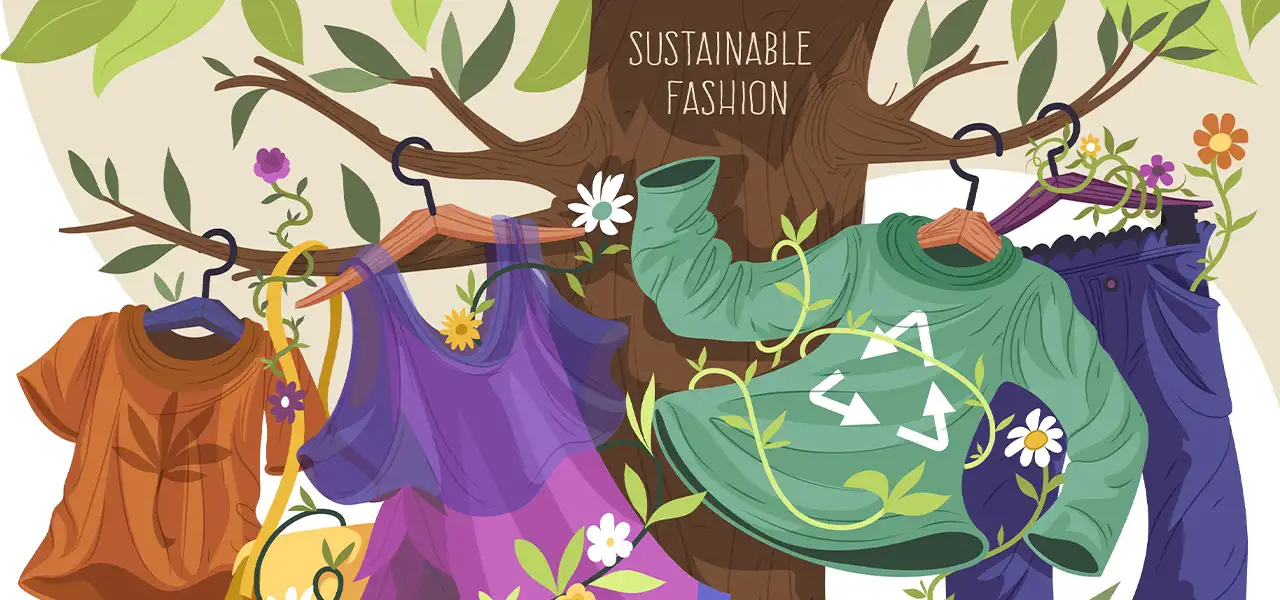
what is sustainable fashion, sustainable fashion, sustainability and fashion, sustainable clothing, ethical fashion, sustainable clothes, sustainable fashion meaning, sustainable designer clothing, slow fashion, eco fashion, organic sustainable clothing, sustainable fashion industry, sustainable clothing in india, Sepia Stories

What Is Sustainable Fashion? Understanding the Future of Eco-Conscious Clothing

What Is Sustainable Fashion? Understanding the Future of Eco-Conscious Clothing

Sustainable fashion has moved from a niche concept to a mainstream movement in the world of fashion. With growing concerns over climate change, unethical labor practices, and the environmental impact of textile production, people are looking for alternatives. But what exactly is sustainable fashion, and why is it so important? In this blog, we’ll break down the core concepts behind sustainable fashion and explore how it’s shaping the future of the fashion industry. From eco-friendly materials to ethical production practices, sustainable fashion is about much more than just looking good—it’s about making choices that benefit both people and the planet.

1. Eco-Friendly Materials: A Step toward Sustainability

what is sustainable fashion, sustainable fashion, sustainability and fashion, sustainable clothing, ethical fashion, sustainable clothes, sustainable fashion meaning, sustainable designer clothing, slow fashion, eco fashion, organic sustainable clothing, sustainable fashion industry, sustainable clothing in india, Sepia Stories

At the heart of sustainable fashion is the use of eco-friendly materials. The fashion industry is one of the largest polluters in the world, and the materials used in garment production play a huge role in this. Conventional fabrics like polyester, which is made from petroleum, have a massive environmental footprint.

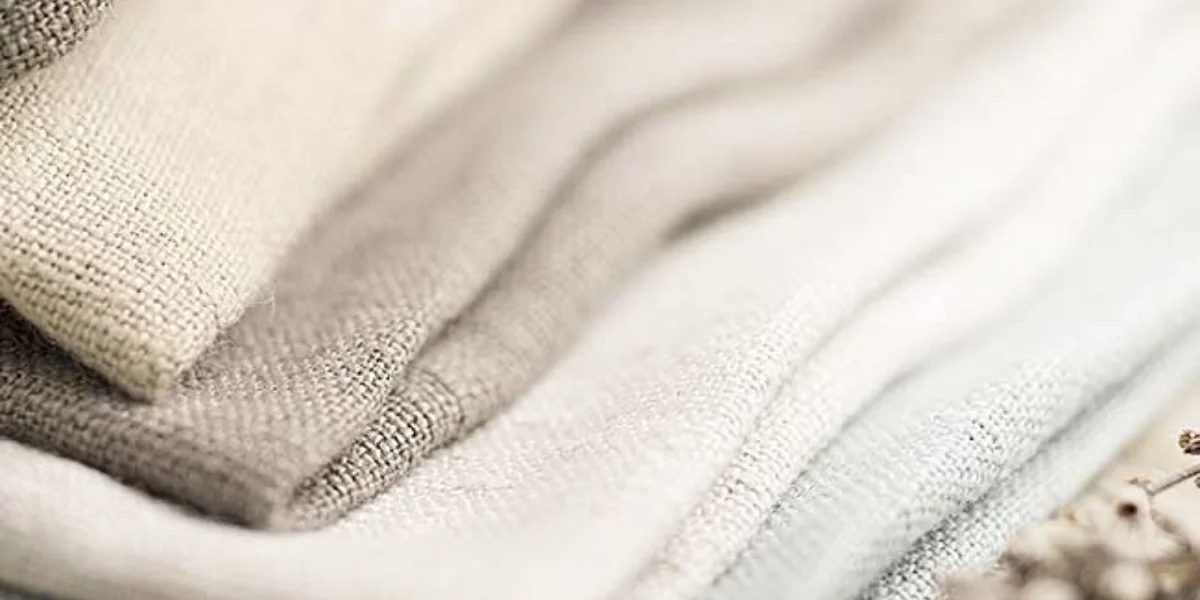
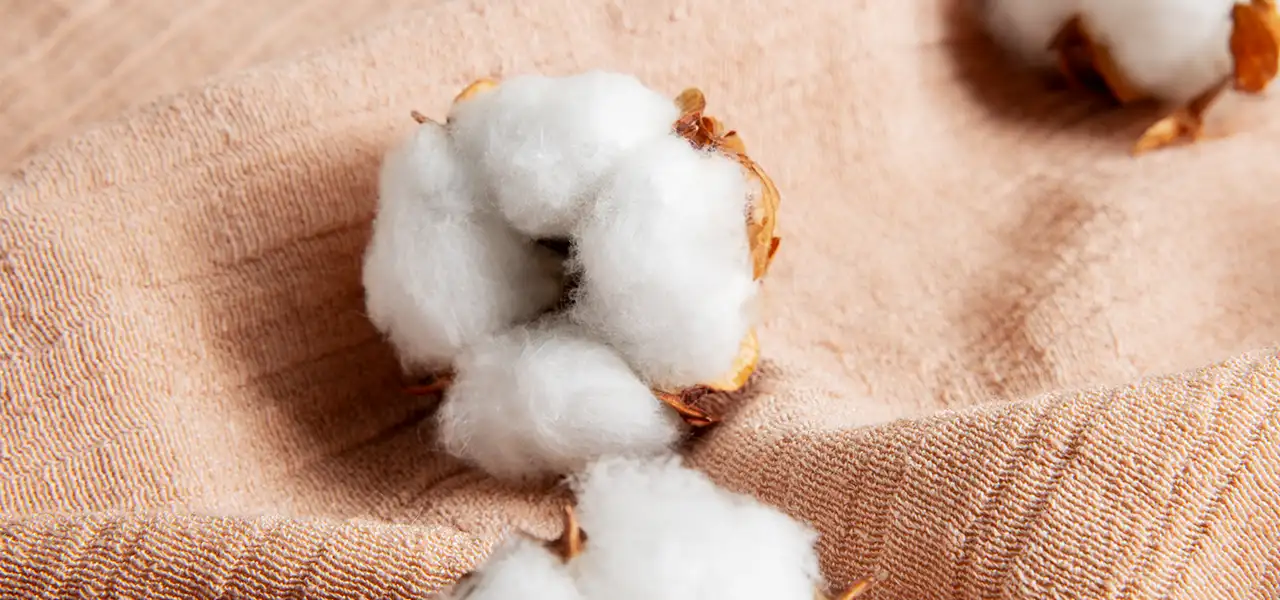
Enter sustainable materials in fashion: fabrics like organic cotton, hemp, and bamboo are all natural fibers that have minimal impact on the environment. Sustainable cotton clothing, for example, uses fewer chemicals and pesticides, making it better for both the planet and the farmers who grow it. Hemp, on the other hand, is a wonder fiber—it grows quickly, uses little water, and doesn’t require harmful chemicals.

Other innovative materials, such as recycled polyester and fabrics made from waste products like plastic bottles, are becoming more popular in the world of sustainable fashion brands. These innovative sustainable materials help divert waste from landfills and reduce the need for new raw materials. So, by choosing clothes made from these eco-friendly materials, you’re not just making a style statement—you’re also contributing to a cleaner, more sustainable fashion industry.

2. Ethical Manufacturing: Supporting Fair Labor Practices

Sustainable fashion isn’t just about the materials used to make the clothes—it’s also about how those clothes are made. Ethical manufacturing ensures that workers are treated fairly, paid a liveable wage, and work in safe, healthy conditions. Sadly, the fashion industry has a long history of exploitation, with workers in developing countries often subjected to poor working conditions and unfair wages.

Thankfully, many brands are now adopting ethical production practices, ensuring that the people who make our clothes are treated with respect. Sustainable fashion brands are increasingly transparent about where their clothes are made and how their workers are treated. This is where fair trade certification comes in—brands with this certification meet strict standards for labor conditions, environmental impact, and business ethics.

By supporting these brands, you’re choosing clothing that not only looks good but also supports fair labor practices and ethical manufacturing. This is a win for both the environment and the workers in the fashion industry.

3. Slow Fashion: Quality Over Quantity

what is sustainable fashion, sustainable fashion, sustainability and fashion, sustainable clothing, ethical fashion, sustainable clothes, sustainable fashion meaning, sustainable designer clothing, slow fashion, eco fashion, organic sustainable clothing, sustainable fashion industry, sustainable clothing in india, Sepia Stories

When you think of fast fashion, what comes to mind? Cheap, trendy clothes that are designed to be worn a few times and then thrown away. This “buy now, wear once, discard” mentality is one of the major contributors to waste in the fashion industry.

Slow fashion, on the other hand, is a movement that encourages people to buy fewer, higher-quality pieces that are made to last. The focus is on durability, craftsmanship, and timeless design rather than cheap, disposable items. Slow fashion advocates for purchasing clothing that you truly love and that will stay in your wardrobe for years, not just a few months.

By embracing slow fashion, you’re making a conscious decision to reduce your environmental footprint. Instead of constantly buying new clothes, you invest in high-quality, long-lasting pieces that you can wear again and again. This shift helps to combat overproduction and promotes a more sustainable and thoughtful approach to clothing consumption.

4. Circular Fashion: Reducing Waste and Promoting Reuse

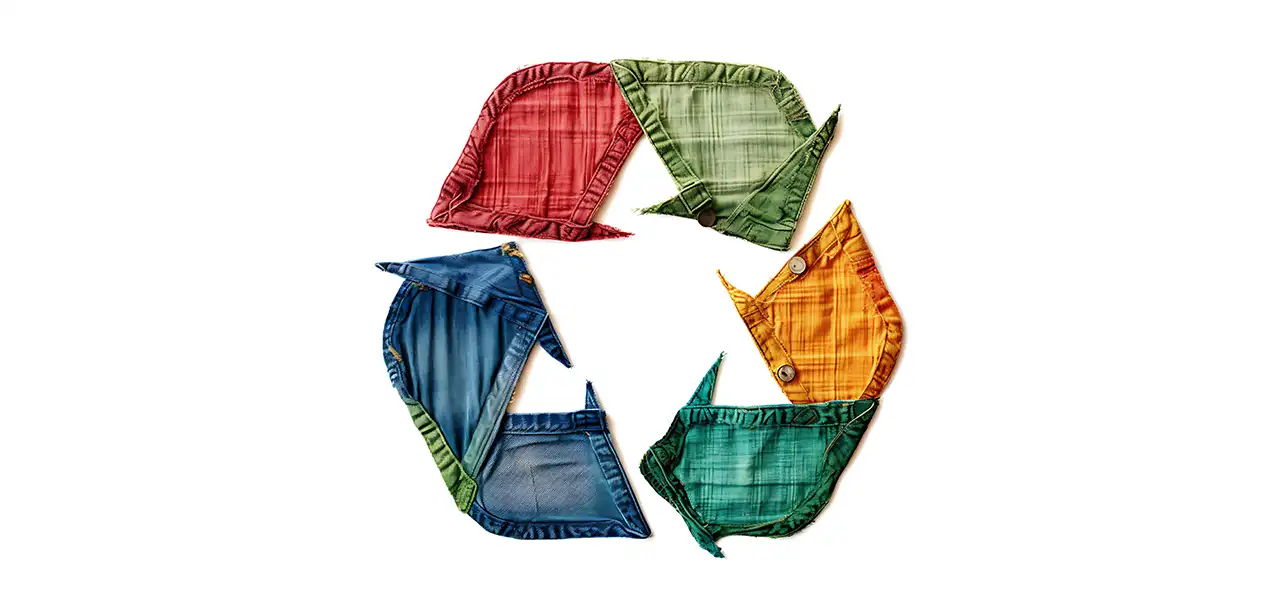
One of the most innovative aspects of sustainable fashion is the concept of circular fashion. Unlike the traditional linear model of “take, make, dispose,” circular fashion is about creating a closed-loop system where clothing is reused, recycled, or repurposed instead of ending up in landfills.

Upcycling, for example, is a great way to give old clothes a new life. This could involve turning an old pair of jeans into a stylish tote bag or using fabric scraps to create new garments. Second-hand shopping is another important part of the circular fashion movement. Thrift stores, consignment shops, and online resale platforms like Poshmark and Depop allow consumers to buy pre-loved clothing instead of contributing to the demand for new garments.

By supporting circular fashion, you’re helping to reduce the enormous waste generated by the fashion industry. Every time you buy second-hand or repurpose an old garment, you’re extending its life and reducing the need for new resources.

5. The Impact of Sustainable Fashion on the Environment and Society

what is sustainable fashion, sustainable fashion, sustainability and fashion, sustainable clothing, ethical fashion, sustainable clothes, sustainable fashion meaning, sustainable designer clothing, slow fashion, eco fashion, organic sustainable clothing, sustainable fashion industry, sustainable clothing in india, Sepia Stories

The impact of sustainable fashion extends beyond just making stylish choices. It’s a movement that has the potential to change the fashion industry for the better. The benefits of sustainable fashion are far-reaching, from reducing environmental pollution to supporting fair wages for workers.

On an environmental level, choosing sustainable production practices and sustainable materials helps to reduce carbon emissions, conserve water, and minimize waste. It’s estimated that the fashion industry is responsible for about 10% of global carbon emissions, but by shifting to sustainable fashion, we can dramatically reduce that figure.

Socially, sustainable fashion supports fair labor practices and works to empower workers in developing countries. By investing in brands that prioritize ethical manufacturing and fair trade certifications, you help improve the lives of the people who make our clothes, ensuring they are treated fairly and with dignity.

Moreover, sustainable fashion for women and sustainable fashion for men is growing, making it easier for people of all genders to make sustainable clothing choices. The rise of sustainable fashion brands offering chic, stylish, and durable clothing is proof that sustainability and fashion can go hand-in-hand.

6. The Myths of Sustainable Fashion and the Truth Behind Them

As with any trend, there are plenty of myths surrounding sustainable fashion. One of the most common misconceptions is that sustainability is a myth that it’s too expensive or too difficult to implement. While it’s true that sustainable clothing may have a higher upfront cost, the investment pays off in the long term because these clothes are designed to last longer, reducing the need for frequent replacements.

Another myth is that sustainable fashion is boring or lacks style. In reality, there are countless stylish options available from sustainable fashion brands that are both trendy and eco-friendly. From sustainable cotton clothing to innovative materials, sustainable fashion has never looked better.

By debunking these myths, we can encourage more consumers to make eco-conscious choices and embrace sustainable fashion as the future of the industry.

Sustainable Fashion Facts You Should Know

1. The global sustainable fashion market size in India is rapidly growing. As consumers become more aware of the environmental impact of their purchases, the demand for sustainable fashion in India is expected to rise.

2. Circular fashion is becoming more mainstream, with many brands now offering take-back programs or designing products to be easily recycled.

3. The sustainable fashion industry is set to expand as more brands and consumers turn toward ethical production and eco-friendly materials.

4. Sustainable fashion brands are increasingly embracing innovative sustainable materials, including fabrics made from plant-based fibers, recycled materials, and upcycled textiles.

Final Thoughts: Why Sustainable Fashion Matters

Sustainable fashion is more than just a trend—it’s a necessary movement for the future of our planet and its people. By making conscious choices about the clothes we buy, we can help reduce the fashion industry’s impact on the environment and support fair, ethical labor practices worldwide.

The future of fashion is bright, and sustainable fashion is leading the way. Whether you’re opting for sustainable cotton clothing, supporting ethical brands, or embracing circular fashion, every small change counts toward creating a better, more sustainable world for future generations.

Let’s make fashion more than just what we wear—let’s make it something that reflects our values and supports a healthier, more sustainable world.

FAQ's

Sustainable fashion refers to clothing produced in an environmentally and socially responsible way. It uses eco-friendly materials, ethical production practices, and aims to reduce waste by promoting longevity and circular fashion.

Sustainable fashion reduces environmental harm, supports ethical labor practices, and conserves resources, helping the fashion industry become more eco-conscious and socially responsible.

Sustainable fashion materials include organic cotton, hemp, bamboo, and recycled fibers. These eco-friendly fabrics have minimal environmental impact compared to traditional materials like polyester.

While sustainable fashion can have a higher upfront cost, its long-lasting quality makes it a cost-effective choice over time. It’s a valuable investment in both style and the environment.

Circular fashion is a model where clothing is reused, recycled, or repurposed rather than being thrown away. It minimizes waste and extends the lifespan of garments, reducing the need for new resources.

The sustainable fashion market size in India is growing rapidly. As consumers become more eco-conscious, demand for sustainable brands and materials is on the rise.

Common myths include that sustainable fashion is boring or unaffordable. In reality, it’s stylish, diverse, and offers long-term value, making it a practical and fashionable choice.

Sustainable fashion helps reduce environmental pollution, supports fair labor practices, and promotes the use of eco-friendly materials, contributing to a healthier planet and society.

Leading sustainable fashion brands include Patagonia, Stella McCartney, and Reformation. These brands focus on ethical production, eco-friendly materials, and reducing their environmental footprint.

Yes! Sustainable fashion for men offers stylish options made from eco-friendly materials, including clothing from ethical brands that prioritize long-lasting and responsible production practices.